

Dundee: A City of Wonders!
Images

1960s postcard of the Dundee, Michigan, Cement Plant -- producing six million barrels annually.



Geographical Foundations and Strategic Location
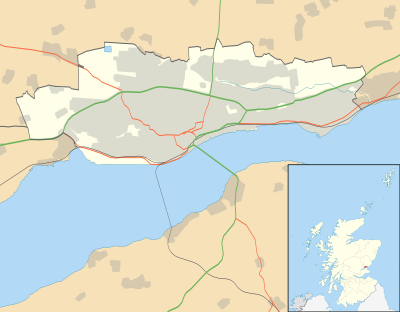
Dundee's identity is intrinsically linked to its geography. Situated on the north bank of the Firth of Tay, a significant estuarine river flowing into the North Sea, the city has historically leveraged its position as a natural harbor. This strategic location facilitated its development into a crucial east coast trading port from its early days as a burgh in the late 12th century.
The city lies within the eastern central Lowlands of Scotland, a region characterized by its rolling terrain rather than rugged mountains, which has historically supported agriculture and industry. The temperate maritime climate, with its moderate temperatures and regular rainfall, has influenced both the natural environment and the types of industries that could thrive. The Firth of Tay itself is not merely a geographical feature but a vital artery for trade and a source of inspiration, notably for maritime exploration and the city's modern waterfront regeneration.
From Industrial Powerhouse to Post-Industrial Renaissance
The 19th century marked Dundee's zenith as an industrial powerhouse, primarily driven by the global jute industry. The processing and manufacturing of jute, a coarse but strong natural fiber, transformed Dundee into a center of global commerce, earning it the enduring epithet of the city of 'jute, jam and journalism.' This era of rapid expansion was fueled by the broader Industrial Revolution, which saw significant technological advancements and population growth.
However, the decline of traditional heavy industries in the late 20th century presented significant challenges. Rather than succumbing to economic hardship, Dundee embarked on an ambitious program of regeneration and reinvention. A monumental £1 billion master plan, initiated in 2001 and spanning three decades, aimed to reconnect the city center with its waterfront and foster new economic and cultural opportunities, signaling a profound shift in its identity and purpose.
A UNESCO City of Design and a Hub for Innovation
Dundee's strategic pivot towards culture and innovation has garnered significant international recognition. In 2014, it achieved the prestigious designation of the UK's first UNESCO City of Design, a testament to its diverse contributions across fields as varied as medical research, comic book creation, and video game development. This recognition underscores Dundee's ability to foster creativity and cutting-edge industries.
The city has become a vibrant international research and development hub, particularly in technology, medicine, and life sciences, with a burgeoning tech sector since the 1980s. The V&A Dundee, the first V&A museum branch outside London, stands as a striking centerpiece of the waterfront regeneration, symbolizing the city's commitment to design and culture. Dundee actively promotes itself as 'One City, Many Discoveries,' celebrating its rich history of scientific endeavor, exemplified by the construction of Robert Falcon Scott's Antarctic exploration vessel, the RRS Discovery, now a permanent exhibit.
Pioneering Sustainable Transport and Global Acclaim
In recent years, Dundee has distinguished itself as a leader in sustainable urban development, particularly in the adoption of electric vehicles. In 2018, it was recognized as the 'electric vehicle capital of Europe' and has consistently maintained this reputation within Scotland and the UK. This commitment to green technology reflects a broader vision for a modern, environmentally conscious city.
Dundee's successful transformation and innovative spirit have not gone unnoticed by global media. In 2015, GQ magazine lauded it as the 'Coolest Little City in Britain,' and The Wall Street Journal included it in its 'Worldwide Hot Destinations' list for 2018. These accolades highlight Dundee's unique blend of historical significance, cultural richness, and forward-looking ambition, positioning it as a dynamic and attractive city on the international stage.
Governance and Social Fabric
Dundee functions as one of Scotland's 32 council areas, operating under the name Dundee City. This administrative structure provides local governance, managing public services, urban planning, and community development. Historically, its development into a burgh in the late 12th century laid the groundwork for its civic organization.
The city's population, estimated at around 148,210 in mid-2020, reflects a diverse community. While English is the primary language, Scots and Scottish Gaelic are also spoken, contributing to the rich linguistic tapestry of Scotland. The city's educational institutions, including the University of Dundee and the University of Abertay, play a crucial role in its economy and cultural landscape, fostering research and nurturing talent in fields ranging from medicine to digital arts.
This blend of historical governance, diverse population, and strong educational infrastructure underpins Dundee's ongoing evolution.
See also
Frequently Asked Questions
What is Dundee famous for?+
Why is Dundee called the "City of Jute, Jam and Journalism"?+
How did Dundee become a modern city of design and technology?+
Where is Dundee located and why is its location important?+
Why is Dundee known as the electric vehicle capital of Europe?+
Based on content from Wikipedia · Licensed under CC BY-SA 4.0