

Dumbo
Images
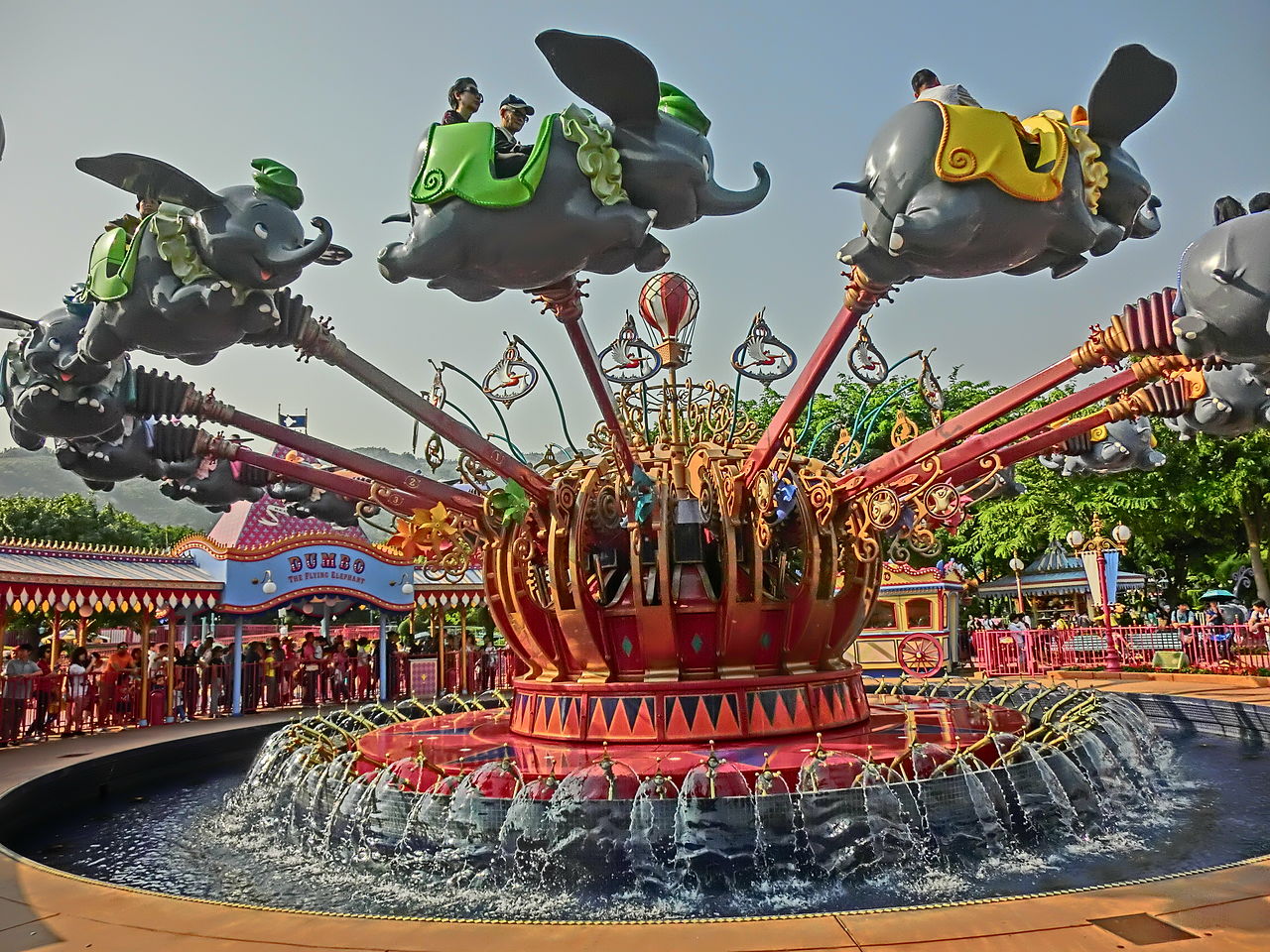
HK Disneyland 小飛象 Dumbo The Flying Elephant Oct 2013 Kiddie Plane Ride
The Phenomenology of Difference
Dumbo's narrative is fundamentally an exploration of otherness and the societal response to perceived deviance. Jumbo Jr.'s colossal ears are not merely a visual gag; they serve as a potent metaphor for any characteristic that sets an individual apart, be it physical, intellectual, or social. The immediate ostracization Dumbo faces from his own kind, the elephants, highlights the harsh realities of conformity and the pressure to fit within established norms.
His subsequent isolation and the loss of his mother underscore the vulnerability of those who are different. The introduction of Timothy Q. Mouse, a character who defies the natural order of predator and prey to form a genuine bond, is crucial. This interspecies friendship challenges ingrained prejudices and demonstrates the power of empathy and acceptance.
Timothy acts as Dumbo's advocate and interpreter, translating his perceived flaws into potential strengths, thereby facilitating Dumbo's journey toward self-actualization and societal integration within the circus community.
Economic Imperative and Artistic Simplicity
The production of Dumbo in 1941 was a deliberate strategic pivot for Walt Disney Productions. Following the significant financial underperformance of 'Pinocchio' (1940) and 'Fantasia' (1940), the studio faced considerable economic pressure. 'Dumbo' was conceived as a more economical venture, prioritizing simplicity and efficiency in both story and animation. This resulted in a remarkably short runtime of 64 minutes, a stark contrast to its predecessors.
The narrative was streamlined, featuring a smaller cast of characters and relying on expressive animation and music rather than complex plotlines. This minimalist approach allowed the animators to focus on conveying emotion and character through subtle gestures and visual cues, particularly in Dumbo's expressive eyes and ears. The film's success proved that artistic merit and emotional resonance could be achieved without extravagant budgets, establishing a precedent for future productions that balanced creative ambition with financial prudence.
The Mechanics of Flight and the Magic of Belief
Dumbo's ability to fly is presented not as an inherent magical power, but as a latent capability unlocked through belief and circumstance. The initial 'discovery' of flight is triggered by an accidental inebriation, leading to a series of uncontrolled aerial maneuvers. Timothy's role is pivotal in reframing this chaotic event.
He introduces the concept of the 'magic feather,' a psychological prop that allows Dumbo to overcome his self-doubt and consciously utilize his ears. This narrative device explores the power of suggestion and the placebo effect; the feather itself is ultimately revealed to be unnecessary, as Dumbo can fly without it once his confidence is established. The animation of Dumbo's flight is a masterclass in conveying weight and motion, using his large ears as dynamic wings that generate lift and propulsion, transforming a physical 'disability' into the very mechanism of his extraordinary feat.
Cultural Resonance and Enduring Significance
Released during a tumultuous period leading up to World War II, 'Dumbo' offered audiences a much-needed escape and a story of hope. Its critical acclaim was immediate, earning an Academy Award for Best Scoring of a Musical Picture. Beyond its accolades, the film's enduring appeal lies in its universal themes: the triumph of the underdog, the importance of friendship, and the celebration of individuality.
The film's selection for preservation in the U.S. National Film Registry in 2017 by the Library of Congress underscores its lasting cultural, historical, and aesthetic significance. Dumbo's narrative continues to be relevant, prompting discussions about acceptance, bullying, and the courage required to embrace one's true self in a world that often favors conformity. Its influence is evident in subsequent adaptations and its continued presence in popular culture.
Beyond the Screen
The impact of 'Dumbo' extends far beyond its original cinematic release. The character has become an icon, transcending the film to permeate various aspects of popular culture. The creation of the 'Storybook Land Canal Boats' attraction at Disneyland in 1955 marked one of the earliest integrations of Dumbo into the Disney theme park landscape, solidifying his status as a beloved character.
This was followed by the iconic 'Dumbo the Flying Elephant' ride, which has been replicated in Disney parks worldwide, becoming a quintessential experience for visitors. Merchandise featuring Dumbo has consistently been popular, ranging from toys and apparel to books and collectibles. The film's narrative has also been revisited and reinterpreted, most notably in Tim Burton's 2019 live-action adaptation, which offered a new perspective on the story while retaining its core emotional resonance.
Furthermore, the film's critical reception and its subsequent recognition by institutions like the Library of Congress highlight its sustained importance not just as entertainment, but as a piece of cinematic history that continues to inspire and resonate with contemporary audiences.
See also
Frequently Asked Questions
What makes Dumbo's ears special?+
Why does Dumbo fly?+
Who is Timothy Q. Mouse?+
How did the movie Dumbo stay short and still be fun?+
When was Dumbo released and why was it important?+
Based on content from Wikipedia · Licensed under CC BY-SA 4.0