

Mighty Mice!
Images
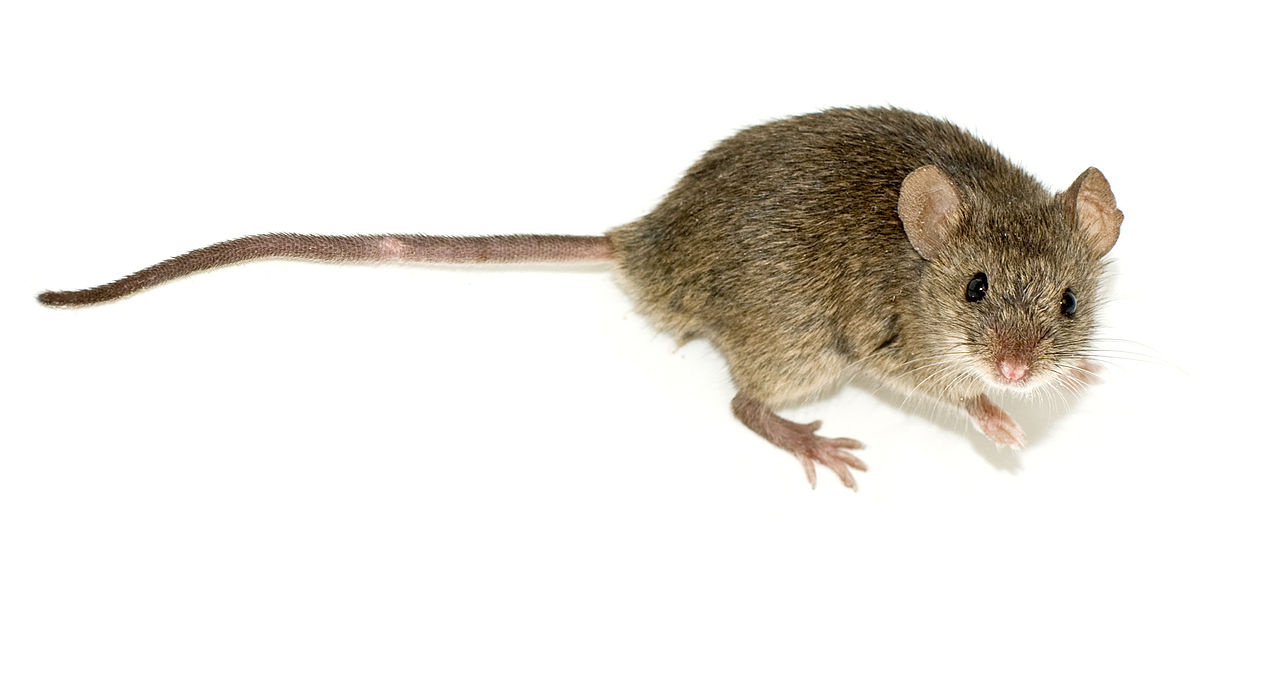
Mouse


Evolutionary Success and Global Dissemination
The house mouse, Mus musculus, stands as a prime example of a species that has achieved global ubiquity through synanthropy, the process of living in close association with humans. Originating likely in the arid regions of Central Asia, its expansion across continents is intrinsically linked to human migration and trade routes, dating back thousands of years. This commensal relationship has allowed Mus musculus to colonize virtually every terrestrial habitat where humans reside, from dense urban centers to agricultural landscapes and even remote research stations.
Their adaptability is further underscored by their capacity to thrive in diverse climatic conditions, facilitated by their ability to exploit human-provided shelter and food resources. Genetic studies reveal distinct subspecies that have evolved in relative isolation, reflecting their long history of dispersal and adaptation to varied human-influenced environments.
Ecological Niche and Behavioral Adaptations
Within its ecological niche, the house mouse exhibits a suite of behavioral and physiological adaptations that contribute to its survival and reproductive success. Primarily nocturnal or crepuscular, they leverage low-light conditions to forage and avoid diurnal predators. Their social structure can be complex, often forming colonies with a dominant male, multiple females, and their young, though this can vary based on resource availability. Communication occurs through auditory signals, including ultrasonic vocalizations beyond human hearing, and olfactory cues.
Their remarkable ability to navigate and explore is facilitated by highly sensitive vibrissae (whiskers), which provide tactile information about their surroundings, and a keen sense of smell for detecting food, mates, and predators. The species' characteristic gnawing behavior is essential for maintaining their continuously growing incisors, a defining trait of rodents, which also leads to their potential to cause damage to human infrastructure and stored goods.
Dietary Flexibility and Reproductive Strategy
The omnivorous diet of Mus musculus is a cornerstone of its adaptability. While their natural diet consists of seeds, grains, insects, and plant matter, they are opportunistic feeders that readily consume a vast array of human food waste. This dietary plasticity allows them to exploit readily available resources in human-dominated landscapes, contributing significantly to their population densities in urban and agricultural settings.
Their reproductive strategy is characterized by a high intrinsic rate of increase. Females can reach sexual maturity as early as 4-6 weeks of age and can produce multiple litters per year, with each litter containing an average of 5-10 pups. Gestation is short, approximately 19-21 days, and the young are born altricial, requiring significant parental care.
This rapid reproductive cycle enables populations to rebound quickly from declines and exploit favorable conditions.
Biomedical Significance and Human Impact
Beyond their ecological role as a prey species for numerous predators, house mice are indispensable in biomedical research. Their genetic homology with humans, relatively short lifespan, rapid reproduction, and ease of manipulation in laboratory settings have made them the preeminent model organism for studying mammalian physiology, genetics, disease, and pharmacology. Research using mice has been instrumental in developing vaccines, understanding genetic disorders, testing therapeutic drugs for conditions ranging from cancer to neurological diseases, and advancing our knowledge of fundamental biological processes.
However, their commensal relationship also presents challenges, as they can act as vectors for diseases, contaminate food supplies, and cause structural damage, necessitating pest management strategies in human environments.
Conservation Status and Future Perspectives
Given their extraordinary abundance and widespread distribution, the conservation status of Mus musculus is classified as Least Concern. In fact, the focus is often on managing their populations to mitigate negative impacts on human health, agriculture, and infrastructure. Their resilience and adaptability suggest that they will continue to thrive in association with human activities for the foreseeable future.
Understanding their biology and behavior remains crucial, not only for effective pest control but also for appreciating their profound contributions to scientific advancement and their role within the broader ecological tapestry, even as they navigate the anthropogenically altered landscapes of the 21st century.
Go deeper
Frequently Asked Questions
Where did house mice first come from?+
How do house mice survive in cities and farms?+
Why do house mice have so many babies?+
What do house mice eat?+
Why do scientists use house mice in experiments?+
Based on content from Wikipedia · Licensed under CC BY-SA 4.0