

The Amazing Door Tree!
Images

#photowebsite #photography #photographie #eiffeltower #4cv #dauphine #montmartre #sacrecoeur #blackandwhite #bw #nb #noiretblanc #paris #france #ardeche #langogne #door #tree #subway #garedelest #seine #brignoles #lepuyenvelay #wheel


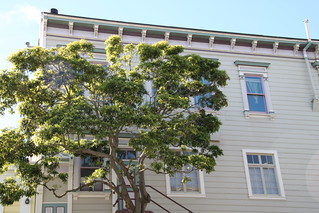


An Exemplar of Arboreal Anomaly
The Door Tree, a historic white oak (Quercus alba) situated in Hamden, Connecticut, represented a rare and captivating instance of natural arboreal artistry. Its defining characteristic was a substantial, naturally occurring aperture within its trunk, which gave it the striking appearance of a doorway. This was not a result of human intervention but rather a complex interplay of biological growth processes.
The tree's unique structure drew considerable attention, serving as a local icon and a point of fascination for those interested in natural curiosities. Its existence highlighted the unpredictable and often beautiful ways in which plant life can develop, offering a living sculpture that inspired awe and contemplation about the intricate mechanisms of nature.
The Genesis of a Natural Gateway
The formation of the Door Tree's distinctive opening is best understood through the biological process of tree fusion, also known as inosculation. It is hypothesized that two white oak saplings began their growth in close proximity. As they matured, their trunks expanded laterally, leading to contact and eventual merging of their vascular tissues.
This fusion created a solid connection between the two trees, but the space between their growing forms was preserved, forming the characteristic 'doorway.' This phenomenon, while not unheard of, is relatively uncommon, especially on such a grand scale, making the Door Tree a remarkable example of trees growing together over extended periods, demonstrating nature's capacity for creating unique and enduring structures through slow, persistent growth.
Cultural Resonance and Environmental Vulnerability
Beyond its botanical intrigue, the Door Tree held a significant place in the local cultural landscape. It served as a symbol of the natural heritage of Hamden and a cherished landmark that fostered a sense of community connection to the environment. Its accessibility and unique appearance made it a popular spot for visitors, photographers, and nature enthusiasts, underscoring the intrinsic value that such natural formations can hold for human society.
However, its existence also highlighted the inherent vulnerability of natural wonders. The tree's destruction in 2019 through an act of vandalism was not merely the loss of a tree; it represented the obliteration of a unique natural artifact and a blow to the community's connection with its natural heritage, prompting discussions about conservation ethics and the protection of irreplaceable natural sites.
The Aftermath
The destruction of the Door Tree serves as a poignant case study in the fragility of natural landmarks and the devastating consequences of human disregard for the environment. The act of vandalism that felled the tree underscored the need for greater awareness and protective measures for unique natural features. While the physical presence of the Door Tree is gone, its story persists as a powerful reminder of nature's capacity for creating extraordinary beauty and the critical importance of safeguarding such treasures.
It prompts reflection on our collective responsibility to act as stewards of the environment, ensuring that natural wonders, whether grand or subtle, are preserved for their intrinsic value and for the inspiration they provide to current and future generations.
Broader Implications
The Door Tree phenomenon invites a broader consideration of natural artistry and the impact of human actions on the environment. It challenges us to look beyond the conventional and appreciate the aesthetic qualities inherent in natural processes. The fusion of trees, the development of unique growth patterns, and the formation of features like the Door Tree's aperture are all expressions of nature's creative potential.
The subsequent loss of this natural artwork due to vandalism highlights a critical tension between human activity and environmental preservation. It underscores the ethical imperative to foster a deeper respect for the natural world, recognizing that its wonders are often irreplaceable and that their destruction diminishes not only the environment but also our shared human experience and cultural heritage.
See also
Frequently Asked Questions
What was the Door Tree?+
How did the Door Tree get its doorway?+
Where could people visit the Door Tree?+
Why was the Door Tree special to the community?+
What happened to the Door Tree in 2019?+
Based on content from Wikipedia · Licensed under CC BY-SA 4.0