

The Mighty Don River!
Images

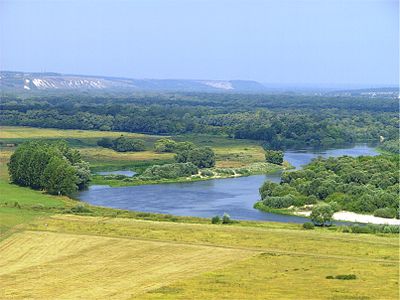
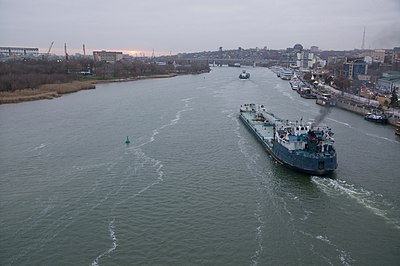
Rostov-on-Don, Panorama of Don River, Russia





Geomorphological Significance and Hydrological Characteristics of the Don
The Don River, originating in the Central Russian Upland, is a prime example of a river shaping a vast geographical expanse. Its 1,871-kilometer course traverses diverse physiographic zones, from the mixed forests of the north to the semi-arid steppe of the south, before its confluence with the Caspian Sea. This transition profoundly influences its hydrological regime, characterized by spring floods, low summer flows, and ice cover during winter.
The river’s drainage basin covers approximately 422,000 square kilometers, making it the fourth-largest river in Russia. Its flow is augmented by numerous tributaries, the most significant being the Seversky Donets, which contribute substantially to its water volume. The Don's meandering path has created extensive floodplains and terraces, rich in alluvial soils, which are crucial for agriculture. Human intervention, including the construction of reservoirs and canals like the Volga-Don Canal, has significantly altered its natural flow and connectivity, impacting sediment transport and ecological processes.
The Don River
The Don River has been a central stage for pivotal moments in Russian history. Its strategic location made it a natural frontier and a vital artery for trade and migration from ancient times. The emergence of the Don Cossacks in the 16th century profoundly shaped the region's identity.
These semi-nomadic peoples, renowned for their military prowess and independent spirit, utilized the river for defense, communication, and economic sustenance, playing a crucial role in Russia's expansion into the south. The river basin was a theater of intense conflict during the Russian Civil War and World War II, notably the Battle of Stalingrad, which occurred near its confluence with the Volga. The Don's historical narrative is intertwined with themes of conquest, settlement, and the formation of Russian national identity, making it a potent symbol in Russian culture and literature, famously depicted by writers like Mikhail Sholokhov.
Cultural Tapestry and Societal Dynamics Along the Don
The cultural landscape of the Don River region is a rich mosaic, deeply influenced by its historical inhabitants and geographical setting. The legacy of the Don Cossacks permeates the region’s folklore, music, dance, and traditions, fostering a distinct regional identity. The fertile lands along the river have supported a strong agricultural heritage, influencing cuisine and rural lifestyles.
The river itself is a recurring motif in Russian art, literature, and music, symbolizing both the vastness of Russia and the resilience of its people. Major urban centers, such as Rostov-on-Don, serve as dynamic cultural hubs, blending historical influences with contemporary Russian society. The linguistic landscape is predominantly Russian, with regional dialects and historical influences from the Cossack era adding unique nuances.
The river continues to be a focal point for cultural events and festivals, celebrating its enduring significance.
Economic Engine
The Don River functions as a critical economic engine for Russia, underpinning several key sectors. Its navigability for a substantial portion of its length, enhanced by the Volga-Don Canal, establishes it as a vital component of Russia's inland waterway transport system. This allows for the efficient movement of bulk commodities like grain, coal, and construction materials, connecting the resource-rich interior to the Caspian Sea and international trade routes.
The river basin is a premier agricultural region, often referred to as Russia's breadbasket, with extensive cultivation of wheat, barley, and sunflowers, facilitated by the fertile alluvial soils and irrigation systems. The fishing industry, though facing environmental challenges, remains a source of livelihood. Furthermore, the Don provides essential water resources for industrial activities and municipal supply, supporting the economic activities of major cities like Rostov-on-Don and Volgograd, thus playing an indispensable role in regional and national economic development.
Governance and Educational Landscape of the Don River Basin
The governance of the Don River basin is integrated within the federal structure of the Russian Federation. The river flows through several federal subjects, including Tula Oblast, Lipetsk Oblast, Voronezh Oblast, Volgograd Oblast, and Rostov Oblast. Each subject has its own regional government responsible for local administration, resource management, and economic development within its territory.
Federal agencies oversee broader issues such as water resource management, environmental protection, and navigation, often in coordination with regional authorities. The educational system along the Don River mirrors that of Russia as a whole, with a strong emphasis on primary, secondary, and higher education. Major universities are located in cities like Rostov-on-Don and Volgograd, offering a wide range of programs, including those focused on engineering, agriculture, and the humanities, often with a regional specialization. Research institutions contribute to understanding the river's ecology, hydrology, and historical significance, ensuring the continued study and preservation of this vital Russian waterway.
See also
Frequently Asked Questions
What is the Don River and where does it flow?+
Why is the Don River important for farmers?+
How do boats travel on the Don River?+
Where did the Don Cossacks live and why were they famous?+
When did the Battle of Stalingrad happen near the Don River?+
Based on content from Wikipedia · Licensed under CC BY-SA 4.0