

Disco!
Images
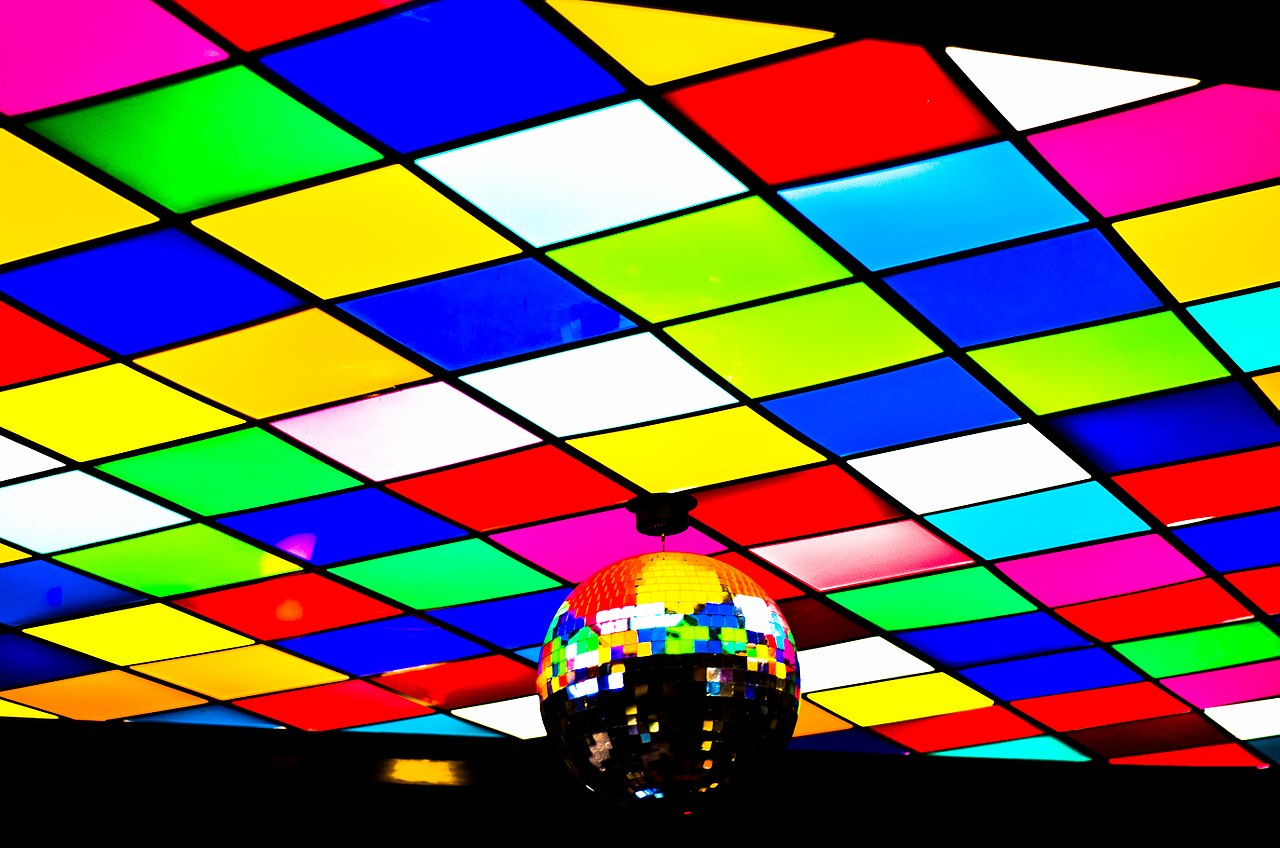
Disco
From Underground Sanctuaries to Global Phenomenon
Disco emerged in the early 1970s not merely as a musical genre but as a vital subculture, blossoming in the clandestine dance clubs of New York City. These spaces, often catering to marginalized communities-including LGBTQ+ individuals, African Americans, and Latinos-provided a sanctuary from societal prejudice. Pioneers like David Mancuso at The Loft and Nicky Siano at The Gallery curated experiences that emphasized communal dancing and musical exploration, moving beyond the limitations of traditional song structures.
DJs became central figures, meticulously selecting and mixing records to create seamless, extended sets that fostered an immersive, ecstatic dance experience. This era saw the birth of the 'four-on-the-floor' beat, a driving, consistent rhythm that became the genre's heartbeat, complemented by sophisticated basslines, soulful vocals, and orchestral arrangements that elevated dance music to an art form. The music itself was a fusion, drawing heavily from soul, funk, and R&B, but recontextualized for the dance floor with an emphasis on rhythm and repetition.
The Disco Era
By the mid-to-late 1970s, disco had transcended its underground roots to become a dominant force in popular culture. Artists such as Donna Summer, the Bee Gees, Chic, and Gloria Gaynor achieved massive international success, with their songs becoming anthems of the era. The genre's characteristic sound-a tempo of around 110-130 beats per minute, lush string and horn arrangements, prominent synthesizers, and infectious basslines-resonated with a broad audience.
Disco fashion became as iconic as the music, characterized by flamboyant styles like bell-bottom trousers, platform shoes, sequins, and vibrant colors, reflecting a spirit of liberation and hedonism. The cultural impact was immense, influencing not only music but also film (e.g., Saturday Night Fever), dance, and nightlife. Disco clubs became glittering temples of escapism, offering a vibrant alternative to the social and political turbulence of the time.
The Social and Cultural Significance of Disco
Disco's enduring legacy is deeply intertwined with its role as a catalyst for social inclusivity. In an era marked by significant social divisions, disco clubs provided rare spaces where individuals from diverse racial, ethnic, and sexual orientations could gather, celebrate, and express themselves freely, fostering a sense of community and empowerment. The genre's rise coincided with the burgeoning gay rights movement, and disco music became intrinsically linked to LGBTQ+ culture, offering a soundtrack for liberation.
Furthermore, disco's emphasis on rhythm, repetition, and electronic instrumentation laid crucial groundwork for subsequent genres. Its innovative production techniques and DJ-centric approach directly influenced the development of house music, techno, and hip-hop, demonstrating that disco was not just a fleeting trend but a foundational element of modern popular music. The spirit of disco-its celebration of joy, unity, and uninhibited self-expression-continues to resonate, influencing contemporary artists and cultural movements.
Deconstructing the Disco Sound
The sonic architecture of disco was a deliberate construction aimed at maximizing danceability and emotional impact. Producers and engineers employed innovative techniques to create a sound that was both polished and propulsive. The 'four-on-the-floor' kick drum provided a constant, driving pulse, while intricate, syncopated basslines offered melodic counterpoint and rhythmic complexity.
Guitars often featured a distinctive wah-wah effect, adding a percussive, funky texture. Synthesizers, still relatively new, were used to create soaring melodies, atmospheric pads, and distinctive electronic sounds. The integration of lush orchestral elements-strings and horns-added a layer of sophistication and grandeur, elevating the music beyond simple dance tracks.
Vocals were typically powerful and emotive, often featuring call-and-response patterns and layered harmonies. The extended track lengths, often exceeding the standard radio format, allowed for intricate instrumental passages and gradual build-ups, creating a truly immersive experience for dancers. This meticulous attention to sonic detail and rhythmic layering defined the unique and captivating sound of disco.
Go deeper
Frequently Asked Questions
What is disco music and why did people love to dance to it?+
Where did disco start and who helped it grow?+
Why were disco clubs special for people who were different?+
How did disco fashion look and what did it show?+
What music styles came after disco because of its ideas?+
Based on content from Wikipedia · Licensed under CC BY-SA 4.0