

Denver
Images
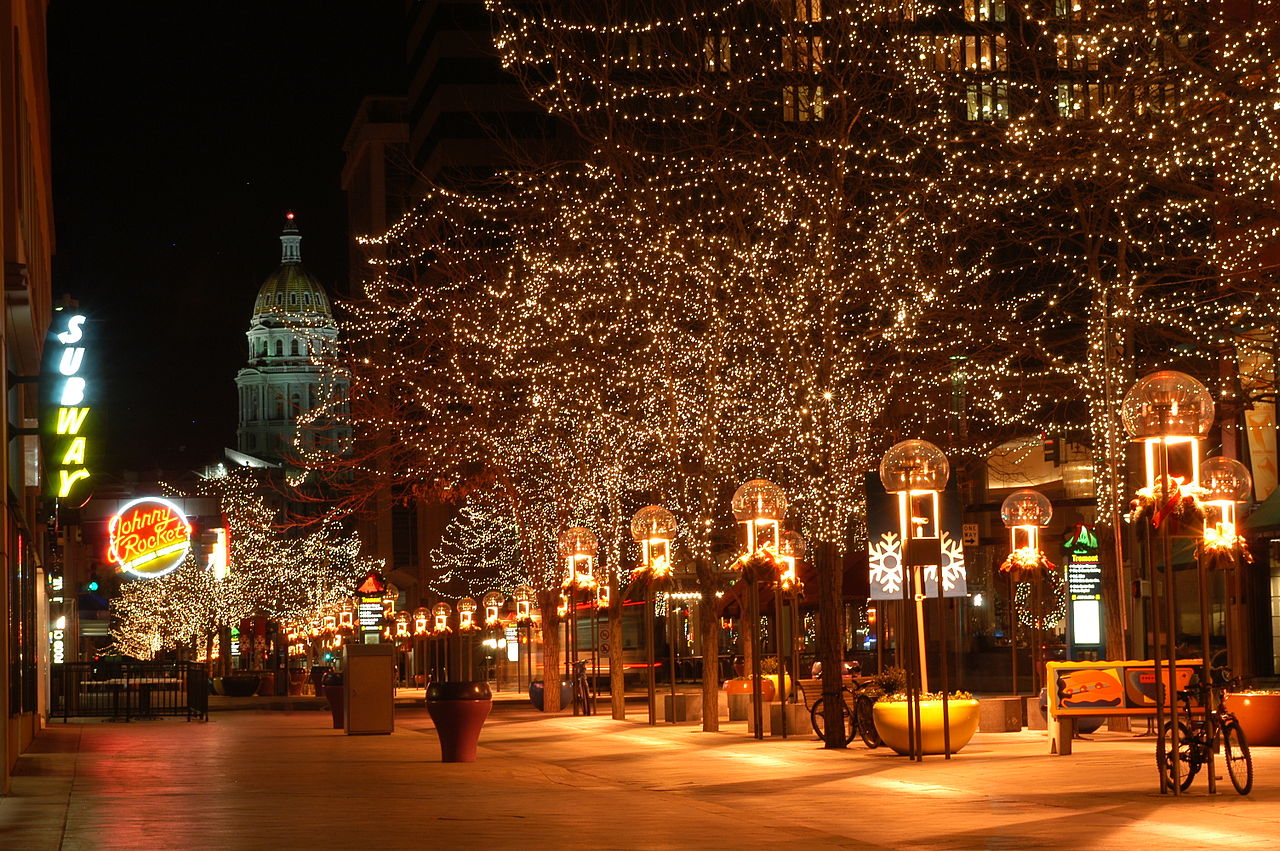
Denver




The Mile High City
Denver's identity is inextricably linked to its elevation. Situated at precisely 5,280 feet above sea level on the High Plains east of the Rocky Mountains, it is famously known as the 'Mile High City.' This significant altitude influences its climate, which is classified as semi-arid. Denver experiences abundant sunshine, with over 300 clear days per year, but also distinct seasons.
Summers are warm to hot with low humidity, while winters are cold with frequent snowfall, particularly in the surrounding mountain ranges that are a major draw for tourism and recreation. The city's location on the edge of the Great Plains means it is susceptible to Chinook winds, which can cause rapid temperature fluctuations in winter. The South Platte River and its tributaries are crucial water sources, though managing water resources is a constant consideration in this arid region.
The city's layout is largely a grid system, influenced by its frontier origins, with the downtown core serving as the central business district.
From Frontier Outpost to Urban Powerhouse
Denver's origins trace back to November 1858, with the discovery of gold in the area, sparking the Pikes Peak Gold Rush. This influx of prospectors led to the establishment of Denver City, named in honor of James W. Denver, then governor of the Kansas Territory.
Initially a rough-and-tumble mining camp, Denver quickly evolved into a vital supply and transportation hub for the burgeoning mining industry and westward expansion. The arrival of the railroad in 1870 was a pivotal moment, solidifying its status as a major commercial center. Throughout the late 19th and early 20th centuries, Denver grew significantly, attracting settlers and developing its infrastructure.
It weathered economic booms and busts tied to mining and agriculture, gradually diversifying its economy. The mid-20th century saw further growth, fueled by federal investment and the development of new industries, transforming it from a regional center into a significant metropolitan area.
Denver's Society and Lifestyle
Denver's culture is a dynamic blend of its Western heritage and a modern, progressive outlook. The city proudly embraces its cowboy roots, evident in institutions like the National Western Stock Show, which draws hundreds of thousands annually. However, Denver is far more than just a frontier town.
It boasts a sophisticated cultural landscape, featuring the Denver Center for the Performing Arts, numerous art museums (including the Denver Art Museum with its renowned Native American art collection), and a vibrant live music scene. The city's lifestyle is heavily influenced by its proximity to the Rocky Mountains. Outdoor recreation is not just a pastime but a way of life for many residents, with extensive trail systems, parks, and easy access to world-class skiing, hiking, and climbing.
This active lifestyle contributes to Denver's reputation as a healthy and desirable place to live, attracting a population that values both urban amenities and natural beauty.
The Economic Engine of the Rockies
Denver's economy is characterized by its diversity and resilience, moving beyond its historical reliance on mining and agriculture. Today, it stands as a significant hub for several key sectors. The aerospace industry is a major player, with a strong presence of government agencies and private companies. Telecommunications and technology are rapidly growing fields, attracting startups and established firms.
The energy sector, particularly oil and gas, remains important, though subject to market fluctuations. Denver International Airport (DEN) is a critical asset, ranking among the busiest airports globally and serving as a major cargo and passenger hub, supporting a robust transportation and logistics industry. Furthermore, the city has a strong financial services sector and a growing presence in biosciences and healthcare.
This multifaceted economic base provides a stable foundation and ample opportunities for its workforce.
Governing the Mile High City
As the capital of Colorado, Denver operates under a unique governmental structure. It is a consolidated city and county, meaning the municipal government of Denver is also the government of Denver County. This consolidation streamlines governance and administration.
The city is led by a Mayor, who is the chief executive officer, and a City Council, which acts as the legislative body. Both the Mayor and Council members are elected by the citizens. Denver also has various specialized agencies and departments responsible for public services such as police, fire, parks and recreation, and public works.
The city plays a crucial role in state politics and administration, housing the Colorado General Assembly and various state executive offices. Its governance reflects the complexities of managing a large, growing metropolitan area while serving as the political heart of its state.
Go deeper
Frequently Asked Questions
What does it mean that Denver is called the "Mile High City"?+
Why does Denver have so many sunny days?+
How did Denver start as a city?+
What kind of outdoor activities can people do near Denver?+
What is the South Platte River and why is it important?+
Based on content from Wikipedia · Licensed under CC BY-SA 4.0