

Dadra and Nagar Haveli and Daman and Diu
Images

Dadra and Nagar Haveli and Daman and Diu




Geographical Mosaic
Dadra and Nagar Haveli and Daman and Diu presents a fascinating geographical study, characterized by its fragmentation into four distinct administrative units scattered across western India. Daman and Diu are coastal enclaves, with Daman situated on the mainland coast and Diu being a small island. These areas boast a tropical climate, influenced by the Arabian Sea, featuring warm temperatures and distinct monsoon seasons.
In contrast, Dadra and Nagar Haveli are inland territories, characterized by undulating terrain, hills, and significant forest cover, particularly in Nagar Haveli. This geographical diversity creates varied ecosystems and microclimates within a relatively small total area of approximately 603 square kilometers, making it one of India's smallest union territories. The administrative unification in 2020 aimed to streamline governance across these disparate yet historically linked regions, creating a single administrative entity from formerly separate Portuguese colonies and Indian territories.
Historical Trajectory
The historical narrative of Dadra and Nagar Haveli and Daman and Diu is deeply intertwined with Portuguese colonial history. These territories were part of Portuguese India for over four centuries, serving as trading posts and administrative centers. The annexation of Goa, Daman, and Diu by India in 1961 marked a significant turning point, ending Portuguese rule.
Subsequently, Goa, Daman, and Diu were administered as a single union territory. However, in 1987, Goa was granted full statehood, leading to the formation of the separate union territory of Daman and Diu, while Dadra and Nagar Haveli continued as another union territory. The landmark decision to merge these two union territories into Dadra and Nagar Haveli and Daman and Diu, effective January 26, 2020, was driven by administrative efficiency and a desire to consolidate governance.
This recent unification represents the culmination of decades of administrative evolution following decolonization.
Socio-Cultural Fabric
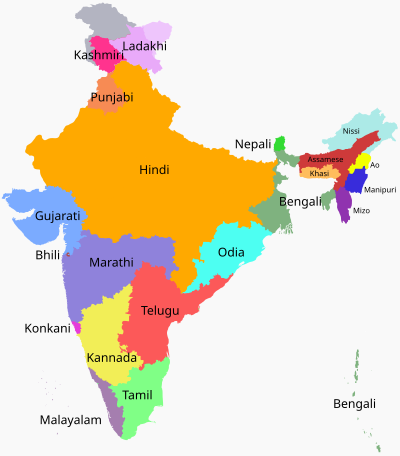
The socio-cultural landscape of Dadra and Nagar Haveli and Daman and Diu is a rich tapestry woven from indigenous Indian traditions and the enduring legacy of Portuguese influence. The primary languages spoken are Gujarati and Hindi, reflecting the dominant linguistic groups, with Konkani and Marathi also having a significant presence, particularly in Daman and Diu. This linguistic diversity underscores the historical interactions and migrations within the region.
Culturally, one can observe a blend of Indian festivals and customs alongside architectural remnants and culinary influences from the Portuguese era. The population is diverse, comprising various ethnic and religious communities. The capital, Daman, and the largest city, Silvassa, serve as centers of economic and cultural activity, hosting a mix of traditional and modern lifestyles.
The territory's relatively small size and its history of being distinct administrative units have fostered a unique sense of identity among its people.
Economic Drivers
The economy of Dadra and Nagar Haveli and Daman and Diu is characterized by a strong industrial base and growing tourism sector. The territory is a significant industrial hub, particularly in Dadra and Nagar Haveli, with a concentration of small and medium-sized enterprises (SMEs) involved in manufacturing textiles, plastics, chemicals, and engineering goods. Its status as a union territory has historically offered certain fiscal incentives, attracting industrial investment.
Tourism is another vital economic contributor, leveraging the coastal attractions of Daman and Diu, including their beaches, historical forts (like the St. Jerome Fort), and colonial-era architecture. The inland areas also offer potential for eco-tourism.
Agriculture, though less dominant than industry, is practiced in the rural parts, focusing on crops like rice, pulses, and fruits. The government plays a crucial role in infrastructure development and policy formulation to further boost economic growth and employment.
Administrative Framework
As a union territory, Dadra and Nagar Haveli and Daman and Diu operates under a centralized administrative system, directly governed by the Union Government of India. The territory is administered by an Administrator, appointed by the President of India, who acts as the chief executive. Unlike Indian states, union territories do not typically have their own elected legislature or council of ministers in the same capacity.
However, local governance structures exist to manage specific aspects of administration and public services. The merger of the former union territories aimed to create a more streamlined and efficient administrative apparatus. The capital is Daman, serving as the seat of administration.
This model of governance allows for direct central control, facilitating policy implementation and resource allocation aligned with national objectives, while also necessitating mechanisms for local engagement and representation.
Educational Landscape
The educational system in Dadra and Nagar Haveli and Daman and Diu is structured to provide comprehensive learning opportunities across all levels. The territory boasts a network of educational institutions, ranging from primary and secondary schools to higher secondary and vocational training centers. These institutions adhere to the national curriculum framework, ensuring standardized education.
The government actively promotes literacy and educational attainment through various schemes and initiatives, aiming to enhance access to quality education for all residents, including those in remote areas. There is a growing emphasis on technical and vocational education to equip the youth with skills relevant to the territory's industrial and economic landscape. Efforts are also underway to improve educational infrastructure, teacher training, and the integration of technology in learning, reflecting a commitment to human capital development and the long-term progress of the territory.
See also
Frequently Asked Questions
What is Dadra and Nagar Haveli and Daman and Diu?+
Where are Daman and Diu located?+
How many languages are spoken there?+
What is the climate like?+
What does the economy focus on?+
Based on content from Wikipedia · Licensed under CC BY-SA 4.0