

Cytoplasm: The Wobbly Jelly Inside You!
Images
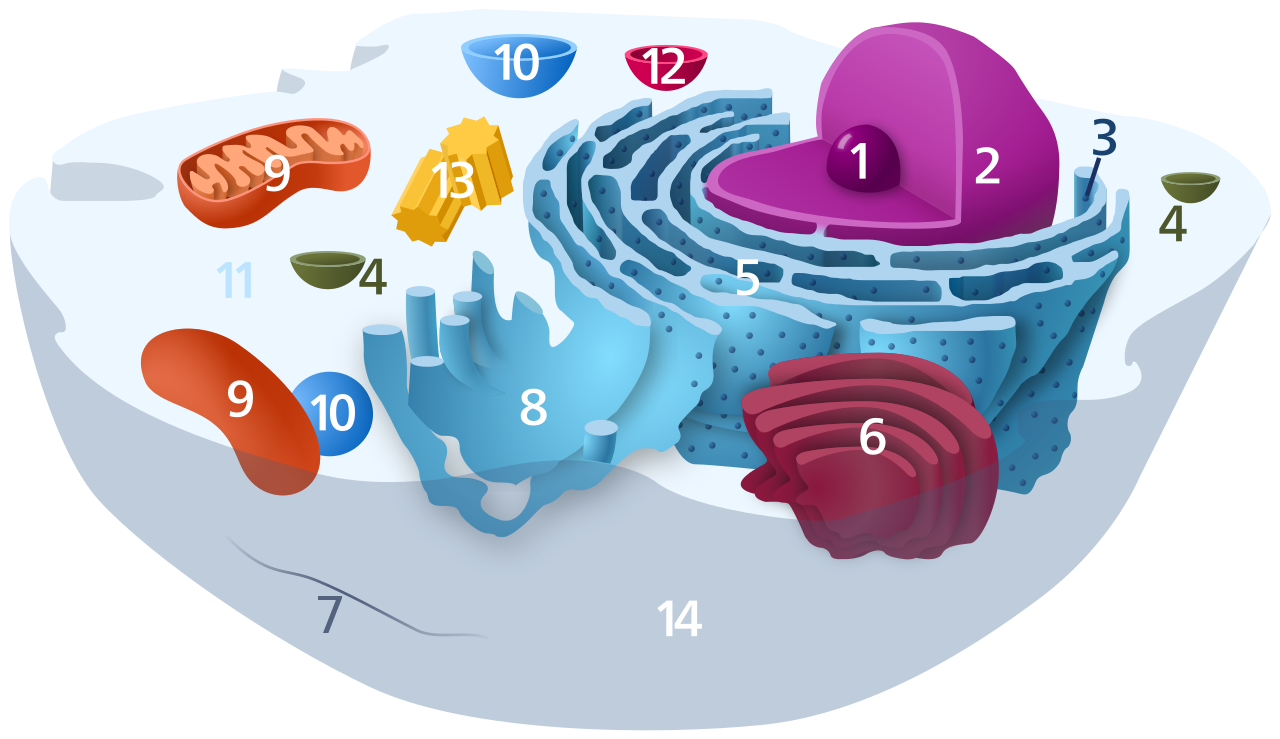
Cytoplasm


The Cytosol and Cytoplasmic Matrix
Cytoplasm encompasses everything within the plasma membrane of a cell, excluding the nucleus. It is broadly divided into the cytosol and the organelles suspended within it. The cytosol, often referred to as the cytoplasmic matrix, is the gel-like substance, primarily composed of water (70-80%), dissolved ions, small molecules, and a vast array of proteins, including enzymes.
This aqueous environment is the site of numerous metabolic pathways, such as glycolysis, gluconeogenesis, and fatty acid synthesis. The dynamic nature of the cytosol allows for rapid diffusion of molecules and efficient signaling cascades. Its composition is highly regulated, ensuring the optimal conditions for cellular function and maintaining cellular homeostasis.
Historical Perspectives on Cytoplasmic Discovery
The study of cytoplasm evolved alongside microscopy and cell theory. Early microscopists in the 17th and 18th centuries observed the granular contents of cells, but it wasn't until the 19th century that distinct components were identified. Matthias Schleiden and Theodor Schwann, in their formulation of cell theory, recognized the cell as the fundamental unit of life, with its contents being vital.
Albert von Kölliker in 1861 is credited with coining the term 'protoplasm' to describe the living substance, which was later refined to distinguish between the nucleus and the surrounding cytoplasm. Advances in staining techniques and electron microscopy in the 20th century revolutionized our understanding, revealing the intricate structure and diverse functions of cytoplasmic organelles.
The Indispensable Role of Cytoplasm in Cellular Viability
Cytoplasm is not merely a passive filler; it is the active arena for a multitude of critical cellular processes. Beyond metabolic reactions, it houses the machinery for protein synthesis via ribosomes, both free and attached to the endoplasmic reticulum. The cytoskeleton, a complex network of protein filaments (microtubules, microfilaments, and intermediate filaments) within the cytoplasm, provides structural support, maintains cell shape, facilitates cell motility, and plays a crucial role in intracellular transport and cell division.
Furthermore, the cytoplasm is integral to signal transduction pathways, relaying external stimuli to the nucleus and other cellular components, thereby regulating gene expression and cellular responses.
Mechanisms of Action
The functional diversity of cytoplasm is largely attributed to its resident organelles and the dynamic cytoskeleton. Free ribosomes synthesize proteins destined for use within the cytosol, while those on the rough endoplasmic reticulum produce proteins for secretion or insertion into membranes. The endoplasmic reticulum and Golgi apparatus collaborate in protein modification, folding, and packaging. Mitochondria, also within the cytoplasm, are the primary sites of aerobic respiration, generating ATP.
The cytoskeleton's dynamic assembly and disassembly allow for cellular movement, organelle trafficking, and the segregation of chromosomes during mitosis and meiosis. This intricate interplay ensures efficient resource allocation and coordinated cellular activity.
Cytoplasmic Inheritance and Modern Relevance
Cytoplasm holds significance beyond its immediate cellular functions, particularly through cytoplasmic inheritance, which refers to the transmission of genetic material located outside the nucleus, such as mitochondrial DNA (mtDNA) or chloroplast DNA. This form of inheritance is typically maternal. Understanding cytoplasmic dynamics is also paramount in modern biotechnology and medicine.
For instance, drug delivery systems often target cytoplasmic components, and research into diseases linked to mitochondrial dysfunction or protein misfolding within the cytoplasm continues to advance. The study of cytoplasm remains a cornerstone of cell biology, with ongoing research exploring its role in aging, cancer, and neurodegenerative disorders.
Go deeper
Frequently Asked Questions
What is cytoplasm?+
Why is cytoplasm important?+
How does the cytoplasm help cells move or divide?+
What are ribosomes and where do they work in the cytoplasm?+
How do scientists learn about cytoplasm?+
Based on content from Wikipedia · Licensed under CC BY-SA 4.0