

Coupé Cars: Speedy and Stylish!
Images
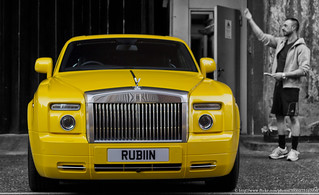
Rolls Royce Phantom Drophead Coupé


Defining the Coupé
The coupé represents a distinct segment within automotive design, traditionally characterized by a fixed-roof body with a sloping rear roofline and often two doors. However, the modern interpretation has broadened, with manufacturers applying the 'coupé' designation to four-door vehicles that exhibit coupé-like styling cues, such as a dramatically raked roofline and a sporty profile. This evolution highlights a shift in emphasis from strict door count to overall aesthetic and dynamic intent.
The core principle remains a design that prioritizes visual appeal and a more engaging driving experience over maximum passenger capacity or cargo utility. Coupés typically feature a shorter wheelbase and a lower overall height compared to their sedan counterparts, contributing to a more agile and responsive handling characteristic. The body structure is often engineered for increased rigidity, which further enhances performance dynamics.
While the term historically implied a two-plus-two seating arrangement (two full seats in front, two smaller seats in the rear), contemporary coupés can range from strict two-seaters to those offering more functional rear seating, albeit with compromised access and space. The coupé is, in essence, a statement of intent: a vehicle designed to evoke emotion and deliver a more spirited connection between driver, machine, and road.
Historical Trajectory
The genesis of the coupé lies in 19th-century carriage design, where the French term 'coupé' signified a carriage 'cut' or shortened from a larger model, typically to accommodate two passengers and a driver. This reduction in size and weight aimed for greater efficiency and maneuverability. As the automotive age dawned, this concept translated seamlessly to the nascent automobile industry.
Early 20th-century coupés were often derived from existing sedan platforms, featuring modifications like a reduced passenger cabin, a more steeply raked windshield, and a truncated rear end. This created a sleeker, more personal vehicle. Over the ensuing decades, the coupé solidified its identity as a sporty, stylish alternative to the more utilitarian sedan.
Manufacturers began to develop dedicated coupé platforms, investing in advanced engineering to enhance performance, handling, and aerodynamic efficiency. The post-war era saw the rise of iconic coupés, from American muscle cars to European grand tourers, each contributing to the model's enduring appeal as a symbol of speed, luxury, and freedom. The coupé's journey reflects a continuous pursuit of automotive elegance and driving pleasure.
The Enduring Appeal
The enduring fascination with coupés stems from a confluence of factors, chief among them being their inherent association with performance and prestige. Coupés are frequently engineered with a focus on driving dynamics, incorporating sport-tuned suspensions, powerful engine options, and responsive steering systems. This translates into a more visceral and engaging driving experience, appealing to those who view driving not merely as a necessity but as a passion.
Furthermore, the coupé's design language inherently conveys a sense of exclusivity and sophistication. Its often more aggressive lines, lower stance, and distinctive silhouette set it apart from mainstream vehicles, projecting an image of success and discerning taste. For many owners, a coupé is more than just transportation; it is a form of personal expression, a tangible representation of their automotive interests and lifestyle.
The emotional connection forged with a beautifully designed and dynamically capable vehicle is a powerful driver of its market appeal, ensuring the coupé's continued relevance in the automotive landscape.
Engineering and Design Nuances
The engineering and design of a coupé are meticulously crafted to achieve its specific character. The roofline is a paramount element, often featuring a shallower angle and a more pronounced curve towards the rear, which significantly impacts the vehicle's silhouette and aerodynamic profile. This design choice necessitates careful consideration of interior headroom, particularly for rear occupants.
The side profile is typically characterized by a balanced or slightly front-biased proportion, with a longer hood suggesting potent powertrain options and a shorter rear deck contributing to the sporty aesthetic. Window design is also a key differentiator; frameless door windows are a common feature, enhancing the clean, uninterrupted lines when lowered. Structurally, coupés often benefit from a stiffer chassis compared to equivalent sedans, owing to the reduced number of door openings and the integrated nature of the roof structure.
This enhanced rigidity is crucial for optimizing suspension performance and delivering precise handling. The interior design frequently prioritizes the driver, with cockpit-like layouts and premium materials reinforcing the sense of a personal, performance-oriented space. These integrated design and engineering decisions culminate in a vehicle that is both visually striking and dynamically compelling.
Contemporary Relevance and Future Trajectories
In the contemporary automotive market, the coupé continues to evolve, adapting to new technologies and consumer demands. While traditional internal combustion engine (ICE) coupés remain popular, the advent of electric powertrains is opening new avenues for coupé design and performance. Electric platforms allow for greater design freedom, potentially enabling even more dramatic styling and optimized weight distribution.
The concept of the 'four-door coupé' has also gained traction, blurring traditional segment lines and appealing to buyers who desire coupé aesthetics with enhanced practicality. Furthermore, the coupé segment is increasingly influenced by advanced driver-assistance systems (ADAS) and connectivity features, integrating cutting-edge technology into these performance-oriented vehicles. Despite shifts in market preferences and the rise of SUVs, the coupé's core identity as a stylish, driver-focused automobile persists.
Its future likely involves a continued interplay between classic design principles and innovative engineering, ensuring its place as a desirable and exciting category of vehicle for enthusiasts worldwide.
See also
Frequently Asked Questions
What is a coupé car?+
Why do some coupés have four doors?+
How are coupés different from sedans?+
Where did the word "coupé" come from?+
What makes a coupé feel exciting to drive?+
Based on content from Wikipedia · Licensed under CC BY-SA 4.0