

Chassis: The Super Strong Skeleton of Stuff!
Images
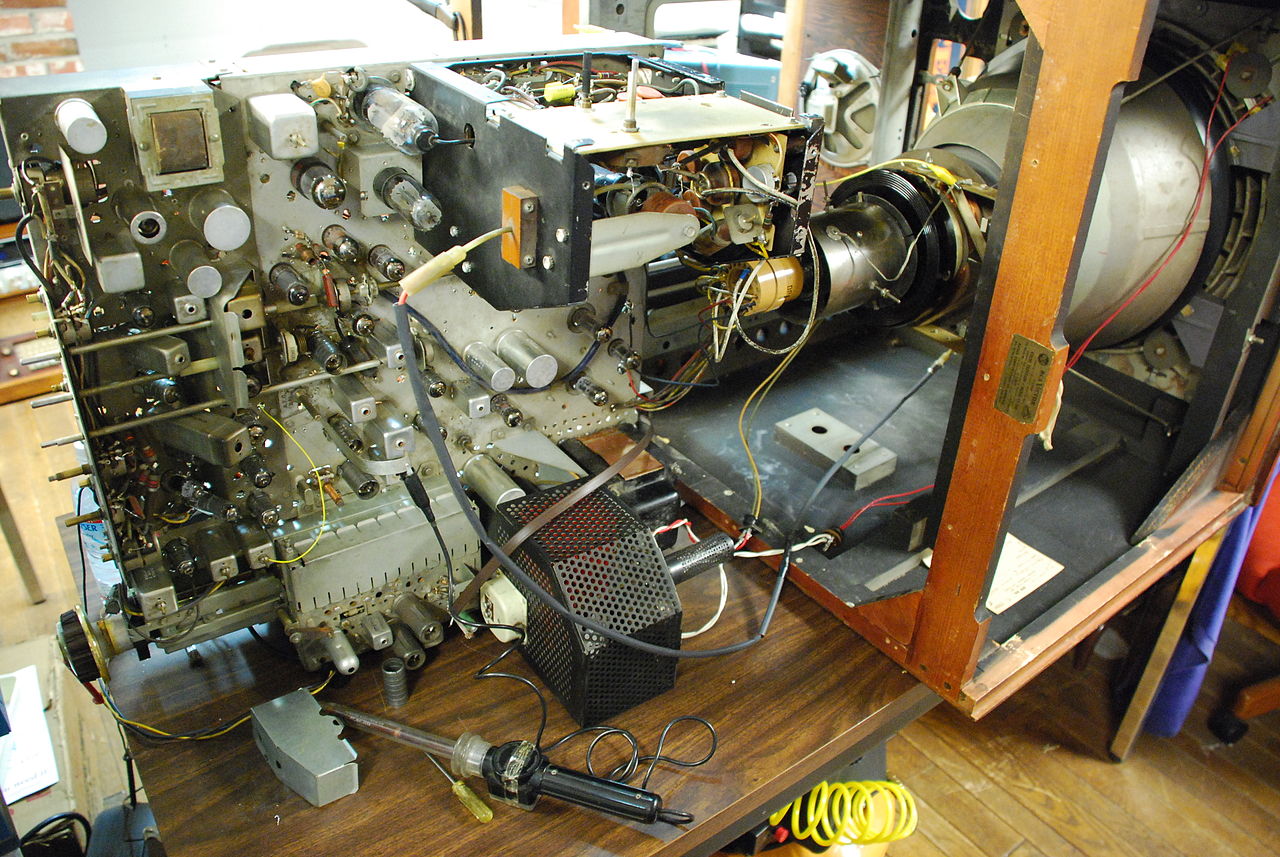
Chassis
The Chassis
The chassis serves as the fundamental load-bearing framework for a vast array of manufactured objects, most notably vehicles. It is the structural core upon which all other components are mounted and supported. In automotive engineering, the chassis is the primary skeleton, providing the necessary rigidity and strength to withstand static loads (like the weight of the engine and body) and dynamic forces encountered during operation (acceleration, braking, cornering, and road imperfections).
Historically, this was often a separate, robust frame (body-on-frame construction). However, modern vehicles frequently employ unibody construction, where the chassis and body are integrated into a single, cohesive structure. Regardless of the construction method, the chassis's role in supporting weight, maintaining shape under stress, and providing attachment points for suspension, powertrain, and steering systems is paramount.
Its design dictates much of a vehicle's fundamental character and capability.
Evolution of the Chassis
The evolution of the chassis mirrors the progression of transportation technology. Early horsedrawn vehicles utilized simple wooden or iron frames to connect axles and support a carriage body. With the advent of the automobile, the need for a more sophisticated and durable structure became apparent.
Early cars often featured a ladder frame chassis, characterized by two parallel beams connected by crossmembers, resembling a ladder. This design offered strength and simplicity, making it ideal for the era's rough roads and heavy engines. As automotive technology advanced, so did chassis design.
The development of monocoque or unibody construction, where the body shell itself acts as the primary structural element, became prevalent, especially in passenger cars. This approach offers advantages in weight reduction and torsional rigidity, leading to improved handling and fuel efficiency. However, body-on-frame chassis designs persist in heavy-duty trucks, SUVs, and off-road vehicles where extreme durability and load-carrying capacity are prioritized.
Chassis Dynamics
The chassis is intrinsically linked to a vehicle's dynamic performance and safety. Its stiffness, or rigidity, is a critical factor. A stiffer chassis resists twisting and bending forces more effectively, leading to more precise steering response, predictable handling during cornering, and a more stable ride.
Conversely, a flexible chassis can result in vague steering feel, body roll, and compromised handling. Furthermore, the chassis is the primary structure designed to manage crash energy. In impact scenarios, its deformation characteristics are engineered to absorb and redirect forces away from the passenger compartment, thereby enhancing occupant safety.
The precise geometry and mounting points of the chassis also dictate wheel alignment, suspension geometry, and the overall balance of the vehicle, all of which profoundly influence its driving dynamics, braking stability, and tire wear characteristics.
The 'Rolling Chassis' Concept
The concept of a 'rolling chassis' represents a significant aspect of modern vehicle manufacturing and specialization. A rolling chassis comprises the fundamental structural frame along with all the essential running gear: wheels, axles, brakes, steering system, and often the complete powertrain (engine, transmission, driveshaft). It is, in essence, a functional, drivable vehicle platform devoid of its final bodywork and interior appointments.
This modular approach offers substantial manufacturing benefits. It allows for the production of a standardized rolling chassis that can then be adapted with various body styles, catering to diverse market needs. This is particularly evident in commercial vehicle manufacturing, where a single chassis platform might underpin a pickup truck, a van, a bus, or a specialized utility vehicle.
This strategy streamlines production, reduces costs, and facilitates the development of niche vehicle variants.
Go deeper
Frequently Asked Questions
What is a chassis?+
Why is a chassis important?+
How does a chassis help with safety?+
What is the difference between body‑on‑frame and unibody?+
What is a rolling chassis?+
Based on content from Wikipedia · Licensed under CC BY-SA 4.0