

Coricancha: The Inca's Golden House!
Images
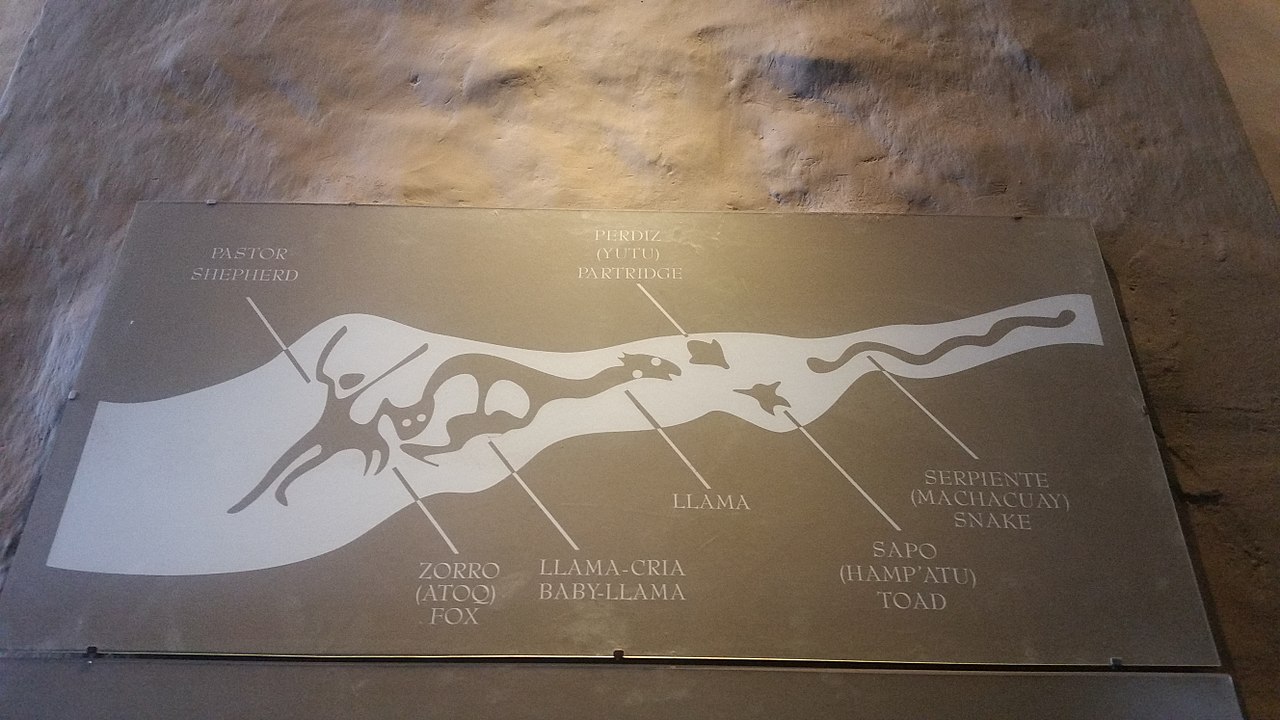
Coricancha museum marker graphically explaining the Inca astronomical system
![One of the original walls of The Temple of Coricancha [Cuzco]](https://live.staticflickr.com/4066/4578192444_803dd7787f_n.jpg)

![La iglesia de Santo Domingo built on the ruins of The Coricancha temple [Cuzco]](https://live.staticflickr.com/4031/4577531523_eaa5122746_n.jpg)


![La iglesia de Santo Domingo built on the ruins of The Coricancha temple [Cuzco]](https://live.staticflickr.com/4014/4577558713_e229ecbec9_n.jpg)

The Apex of Inca Sacred Architecture
Coricancha, translating to 'Golden Courtyard' or 'Golden Enclosure' in Cusco Quechua, stood as the spiritual and ceremonial zenith of the Inca Empire. Located in Cusco, the empire's meticulously planned capital, it was not merely a temple but a microcosm of the Inca worldview, deeply intertwined with cosmology, astronomy, and the divine. Its construction, initiated in the 15th century, represented the pinnacle of Inca engineering and artistic expression.
The very name evokes its most striking feature: the extensive use of gold, a material imbued with profound religious and symbolic meaning for the Inca, representing the tangible essence of their principal deity, Inti, the sun god. Early Spanish chroniclers, such as Pedro Cieza de León and Garcilaso de la Vega, provided vivid, albeit sometimes embellished, accounts of its breathtaking golden ornamentation, describing walls, courtyards, and even garden sculptures wrought from the precious metal.
Engineering Marvels and Cosmic Alignment
The architectural prowess displayed at Coricancha is a testament to the Inca's sophisticated understanding of engineering and their deep connection to the natural world. The temple complex was built using the iconic Inca ashlar masonry, where massive, precisely cut stones were fitted together without mortar, creating structures of remarkable stability and aesthetic harmony. This technique not only ensured longevity against seismic activity, common in the region, but also created a seamless, monumental appearance.
Beyond its structural integrity, Coricancha was likely designed with astronomical precision. The Inca were adept observers of the celestial bodies, and temples often served as observatories and calendars. It is theorized that key architectural elements aligned with solstices, equinoxes, and the rising or setting of significant stars, underscoring the temple's role in regulating the Inca agricultural and ritual calendar.
The integration of water channels and meticulously crafted gardens further enhanced its sacred atmosphere, blending natural elements with divine symbolism.
The Golden Heart of Inca Religion and Power
Coricancha was the primary sanctuary dedicated to Inti, the sun god, who was considered the divine ancestor of the Inca rulers. The temple housed a magnificent golden disc representing Inti, which was the focal point of major state ceremonies, including the Inti Raymi festival. Surrounding this central deity were representations of other celestial bodies like the moon (Quilla) and stars, as well as natural elements crucial to Inca life, such as corn, potatoes, and llamas, all rendered in gold.
These golden artifacts were not merely decorative; they were sacred objects that embodied the power and divine mandate of the Inca emperor, the Sapa Inca, who was believed to be Inti's son. The temple's immense wealth in gold also served as a potent symbol of the empire's economic prosperity and its ability to command vast resources and labor.
A Site of Cultural Collision and Enduring Legacy
The arrival of the Spanish conquistadors in the 16th century marked a dramatic turning point for Coricancha. Driven by a fervent desire to convert the indigenous population to Christianity and to seize the empire's legendary wealth, the Spanish systematically dismantled the temple's golden treasures. The sheer volume of gold removed was staggering, contributing significantly to the Spanish Crown's coffers.
In a symbolic act of conquest and religious dominance, the Spanish Order of the Dominicans constructed the Church of Santo Domingo directly upon the foundations of Coricancha, incorporating much of the original Inca stonework into its walls. This architectural layering creates a unique historical palimpsest, where the enduring strength of Inca engineering is visible beneath the colonial structures. Today, Coricancha, as part of the Santo Domingo complex, stands as a powerful reminder of the Inca civilization's achievements and the profound cultural and historical transformations that reshaped the Andean region.
See also
Frequently Asked Questions
What is Coricancha and why is it called the Golden House?+
Who was the main god worshiped at Coricancha?+
How did the Inca build Coricancha so strong?+
What happened to Coricancha when the Spanish arrived?+
Why did the Inca put stars, moon, and crops in gold at Coricancha?+
Based on content from Wikipedia · Licensed under CC BY-SA 4.0