

Committees of Correspondence: Secret Message Makers!
Images
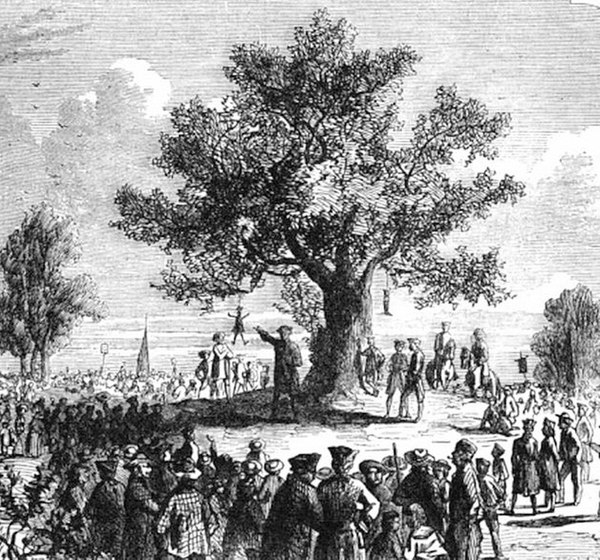
Committees of correspondence
Genesis of a Network
The Committees of Correspondence emerged not as spontaneous outbursts of dissent, but as a calculated response to the increasing imposition of British authority following the French and Indian War. The Stamp Act of 1765, and subsequent measures like the Townshend Acts, highlighted the vulnerability of individual colonies to parliamentary legislation enacted without colonial representation. Samuel Adams, a pivotal figure from Boston, recognized that fragmented colonial responses were insufficient to counter a unified imperial policy.
His vision was to create a clandestine, yet pervasive, communication system that could foster a shared colonial consciousness and coordinate a unified strategy of opposition. This network transcended mere information sharing; it was designed to build solidarity, disseminate propaganda, and mobilize public opinion against perceived injustices, laying the essential groundwork for collective action.
Operational Mechanics and Expansion
The operational model of the Committees of Correspondence was remarkably effective for its time. Typically initiated by colonial assemblies or prominent local figures, these committees established formal channels for exchanging letters. The content of these letters varied, encompassing reports on British actions, interpretations of parliamentary laws, discussions of colonial grievances, and proposals for joint responses.
The success of the Boston committee spurred the creation of similar bodies in towns and counties throughout Massachusetts, and crucially, across other colonies. This created a decentralized yet interconnected network. The flow of information was not always instantaneous, but the consistent exchange fostered a sense of shared experience and purpose.
This organic expansion demonstrated the inherent desire among colonists for coordinated action, transforming isolated grievances into a collective movement.
Catalyst for Collective Action
The significance of the Committees of Correspondence cannot be overstated, particularly in their role as a catalyst for colonial unity. Prior to their establishment, intercolonial cooperation was sporadic and often reactive. These committees provided a consistent, organized mechanism for dialogue, allowing colonial leaders to gauge the sentiment of other regions and develop mutually agreeable strategies.
They effectively bridged geographical divides and fostered a nascent sense of American identity, distinct from British identity. By disseminating information about British policies and colonial reactions, they educated the populace and solidified support for resistance. This organizational infrastructure was instrumental in transforming disparate protests into a cohesive political movement, demonstrating that collective action was not only possible but also potent.
Culmination in Congress
Perhaps the most profound impact of the Committees of Correspondence was their direct contribution to the convening of the First Continental Congress in September 1774. As tensions escalated following the Coercive Acts (Intolerable Acts), the need for a formal, intercolonial deliberative body became paramount. The existing communication network facilitated the coordination of delegates from twelve of the thirteen colonies.
The committees had already established a precedent for intercolonial communication and agreement, making the transition to a formal congress a logical progression. This assembly represented a significant step towards unified governance and a collective declaration of intent, a direct consequence of the organizational groundwork laid by the correspondence committees. It marked a transition from informal communication to formal political action on a continental scale.
Enduring Legacy
The Committees of Correspondence serve as a powerful historical precedent for the use of communication networks in political mobilization and social change. In an era devoid of modern communication technologies, they devised an ingenious system to overcome geographical barriers and foster collective identity. Their success underscores the fundamental principle that shared information and coordinated action are essential for challenging established power structures.
The legacy of these committees resonates in contemporary movements that leverage digital platforms and social networks to organize, advocate, and effect political transformation. They remind us that the strategic dissemination of ideas and the cultivation of solidarity remain potent forces in shaping historical trajectories, proving that the pen, when wielded collectively, can indeed be mightier than the sword.
See also
Frequently Asked Questions
What were the Committees of Correspondence?+
Why did Samuel Adams start a committee in Boston?+
How did the committees help people feel like one group?+
What did the committees do with the letters they sent?+
Did the committees help bring the colonies together for a big meeting?+
Based on content from Wikipedia · Licensed under CC BY-SA 4.0