

Coloma, California
Images

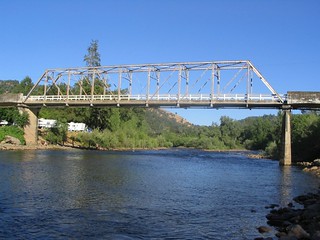
South Fork of the American River at Sutter's Fort, Coloma, California




Cullumah to Coloma
The area now known as Coloma, originally inhabited by the Nisenan people and called Cullumah, meaning 'beautiful,' was a tranquil landscape in the Sierra Nevada foothills. Its transformation began on January 24, 1848, when James W. Marshall, an employee of John Sutter, discovered gold flakes at Sutter's Mill while overseeing construction of a sawmill.
This seemingly minor event, occurring in the relatively remote territory of Alta California, soon became the epicenter of a global phenomenon. The discovery occurred just days before the Treaty of Guadalupe Hidalgo was signed, officially ceding California to the United States, placing this newfound wealth squarely within American borders and setting the stage for unprecedented territorial growth and national development.
The Economic and Demographic Tsunami of 1849
The news of Marshall's discovery, initially kept quiet, could not be contained. By 1849, California was inundated with an estimated 300,000 prospectors, merchants, and adventurers, famously known as 'forty-niners.' This massive influx dramatically altered California's demographics, leading to the displacement of Native American populations and the rapid establishment of towns and infrastructure. The Gold Rush fueled the demand for statehood, which California achieved in 1850, just two years after the initial discovery.
The economic impact was immense, not only for California but for the entire United States, stimulating trade, investment, and the development of industries far beyond mining, including agriculture and transportation.
Marshall Gold Discovery State Historic Park
Coloma is now primarily recognized through the Marshall Gold Discovery State Historic Park, a designated National Historic Landmark District. This park meticulously preserves the site of the original discovery, including a reconstruction of Sutter's Mill and numerous artifacts from the Gold Rush era. It serves as a crucial educational institution, offering insights into the lives of the miners, the technological advancements of the time, and the profound social and environmental consequences of the gold fever.
The park's existence underscores the historical weight of this location, ensuring that future generations can understand the magnitude of the events that unfolded here and their lasting impact on American identity and expansion.
Coloma's Enduring Significance
The legacy of Coloma transcends the mere extraction of precious metal. It symbolizes a critical juncture in American history, representing the spirit of adventure, the pursuit of opportunity, and the rapid transformation of the American West. The Gold Rush accelerated westward expansion, influenced national policy, and contributed to the diverse cultural tapestry of California.
Understanding Coloma means understanding the forces that shaped modern America: the allure of wealth, the challenges of frontier life, and the complex interplay between newcomers and indigenous peoples. It remains a potent reminder of how a single discovery in a quiet valley could ignite a national transformation.
The Ripple Effect
The consequences of the Gold Rush, originating in Coloma, extended far beyond economic prosperity. The rapid influx of people led to significant environmental degradation, including hydraulic mining that altered landscapes and polluted waterways. Socially, the period was marked by conflict, discrimination, and the profound disruption of Native American societies, whose lands were encroached upon and whose populations were decimated by disease and violence.
The establishment of law and order, the development of a complex economy, and the very identity of California as a diverse, dynamic state are all inextricably linked to the events that began with Marshall's discovery. Coloma, therefore, stands not just as a historical site but as a complex case study in resource exploitation, societal change, and the enduring human drive for fortune.
See also
Based on content from Wikipedia · Licensed under CC BY-SA 4.0