

College Scholastic Ability Test
Images
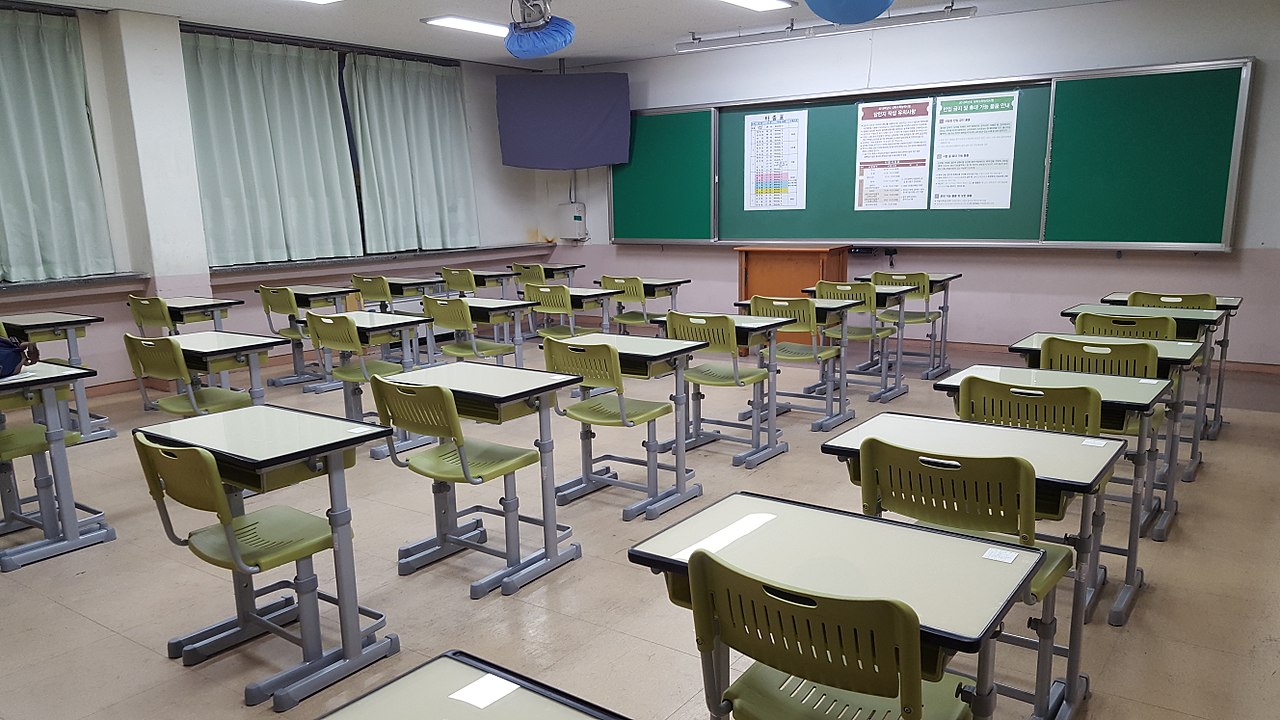
The exam location (Puhung High School), for The South Korea College Scholastic Ability Test, 2018


The CSAT
The College Scholastic Ability Test (CSAT), or Suneung as it's colloquially known, is far more than a mere academic assessment in South Korea; it is a deeply ingrained cultural and societal phenomenon. Administered annually by the Korea Institute of Curriculum and Evaluation (KICE) on the third Thursday of November, the CSAT is the linchpin of the nation's university admissions system. Its primary function is to evaluate the scholastic aptitude deemed necessary for success at the tertiary level.
The test's significance is amplified by its role as the predominant criterion in the Regular Admission round, making it the most critical hurdle for millions of students aspiring to higher education. This intense focus has cultivated a unique educational environment where preparation for the CSAT often dictates curriculum and student life from an early age. The pressure associated with the test is immense, influencing not only students but also their families and the broader educational infrastructure, creating a national event that transcends simple examination.
Evolution of a National Standard
The genesis of the CSAT lies in the desire to create a standardized measure of college readiness, moving away from potentially more subjective or varied assessment methods. Over its history, the test has evolved, with its weight in admissions processes solidifying over time. This has led to a notable shift in the demographic of test-takers.
While initially dominated by current high school students, the CSAT has seen a steady increase in the proportion of high school graduates reapplying. As of 2023, this group constituted 31 percent of all test-takers, a significant rise from 20 percent in 2011. This trend underscores the competitive nature of university admissions and the pursuit of perfection, as students are willing to dedicate additional years to improving their scores.
It is crucial to note that despite its paramount importance for university entry, the CSAT is not a prerequisite for receiving a high school diploma, highlighting its specific role within the educational hierarchy.
The 'CSAT Freeze'
The impact of the CSAT reverberates throughout South Korean society, manifesting in a unique phenomenon often referred to as the 'CSAT Freeze.' On test day, the nation collectively adjusts its rhythm to ensure an optimal environment for the examinees. This involves the suspension or significant delay of numerous activities that could generate noise or distraction. Construction sites halt operations, businesses like banks and shops may open later or close entirely, and even military training exercises are postponed.
The financial markets, including the KRX stock exchanges in Seoul, Busan, and Gyeongnam, delay their opening hours. Furthermore, air traffic is managed to minimize noise pollution near testing centers, with flights sometimes rescheduled. This nationwide mobilization is a powerful demonstration of societal solidarity, emphasizing the collective recognition of the CSAT's importance and the shared commitment to supporting students during this critical period.
Mechanics of the CSAT
The CSAT is a comprehensive examination designed to assess a broad spectrum of academic competencies. While specific subject areas and question formats can be updated, it typically encompasses core disciplines such as Korean Language, Mathematics, English, and a choice between Social Studies, Science, or Vocational Education. The test is administered under strict conditions by the KICE to maintain its integrity and standardization.
The results are then disseminated to universities, which use them as a primary, and often decisive, factor in their admission decisions. The high stakes associated with the CSAT have fostered a robust private tutoring industry and intensive study methods, reflecting the intense competition. The test's influence extends to curriculum design in high schools, as educators often align their teaching with the CSAT's content and style to better prepare their students for this pivotal examination.
Beyond the Score
The CSAT's influence extends beyond individual academic trajectories; it shapes educational policy, pedagogical approaches, and societal expectations. The intense focus on a single standardized test has sparked ongoing debates about its fairness, its impact on student well-being, and whether it truly captures the full range of a student's potential. Critics argue that the pressure can lead to undue stress and mental health challenges, while proponents emphasize its role in ensuring a level playing field and maintaining academic rigor.
As South Korea continues to evolve, discussions surrounding the CSAT are likely to persist, exploring potential reforms that balance the need for standardized assessment with a more holistic approach to evaluating student capabilities. The test remains a central pillar of the educational system, but its future may involve adaptations to better serve the diverse needs of learners in a rapidly changing world.
See also
Frequently Asked Questions
What is the College Scholastic Ability Test (CSAT)?+
Why is the CSAT so important for students in South Korea?+
What happens in South Korea on the day of the CSAT?+
Who takes the CSAT and has that changed over time?+
Is the CSAT needed to finish high school?+
Based on content from Wikipedia · Licensed under CC BY-SA 4.0