

Civil Rights: Everyone Gets a Fair Shake!
Images

Medgar Evers, Assassinated Civil Rights Hero (The Peace Hat)


Defining the Scope of Civil Rights
Civil rights are the essential liberties and protections that ensure individuals are treated equitably by their government and fellow citizens. They are not merely privileges but fundamental entitlements that form the bedrock of a just and democratic society. These rights encompass a broad spectrum, including freedom of speech, freedom of religion, the right to due process, the right to vote (suffrage), and protection against discrimination based on race, ethnicity, gender, sexual orientation, disability, and other protected characteristics.
The concept is dynamic, evolving to address new forms of inequality and exclusion as societies change. Understanding civil rights requires recognizing their historical context and their continuous application to contemporary challenges.
Historical Trajectories
The struggle for civil rights is a long and complex narrative woven through global history. While ancient societies had rudimentary notions of fairness, modern civil rights discourse gained significant momentum with the Enlightenment and the rise of democratic ideals. Key historical milestones include the abolition of slavery in the 19th century, which, while a monumental step, did not immediately grant full equality.
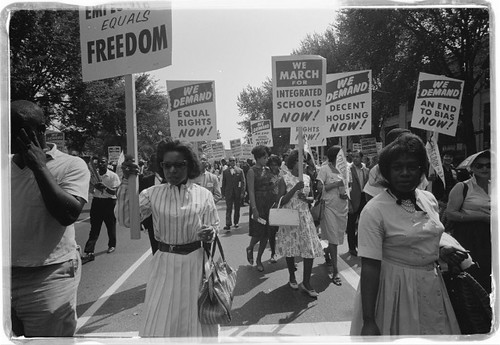
The 20th century witnessed powerful movements, such as the American Civil Rights Movement, which utilized strategies like nonviolent civil disobedience, legal challenges, and mass mobilization to dismantle Jim Crow laws and segregation. Beyond the US, movements in South Africa against apartheid and ongoing struggles for gender and LGBTQ+ rights demonstrate the universal and persistent nature of the fight for civil rights across diverse cultural and political landscapes.
The Indispensable Value of Civil Rights
The significance of civil rights extends far beyond individual protections; they are integral to the health and stability of any society. By guaranteeing equal opportunity and protection, civil rights foster social cohesion, reduce conflict, and unlock the full potential of a nation's populace. When all members of society feel valued and respected, they are more likely to participate actively in civic life, contribute economically, and innovate culturally.
Conversely, the systematic denial of civil rights breeds resentment, inequality, and social unrest, undermining democratic institutions and hindering progress. Upholding civil rights is therefore not just a moral imperative but a pragmatic necessity for sustainable development and collective well-being.
Mechanisms of Enforcement and Protection
The realization and enforcement of civil rights rely on a multi-faceted legal and institutional framework. Constitutions often enshrine fundamental rights, while legislatures pass specific statutes (e.g., Civil Rights Acts, Voting Rights Acts) to prohibit discrimination and ensure equal access. The judiciary plays a critical role through judicial review, interpreting laws, and adjudicating cases of rights violations, thereby shaping the practical application of civil rights.
International human rights law, through treaties and conventions, also provides a framework for national accountability. Beyond legal mechanisms, civil society organizations, advocacy groups, and public education are vital for raising awareness, monitoring compliance, and pressuring governments and institutions to uphold these rights.
Contemporary Civil Rights Landscape and Future Directions
In the 21st century, the civil rights landscape continues to evolve, addressing emerging challenges and expanding protections. Issues such as digital privacy, algorithmic bias, environmental justice, and the rights of marginalized communities (including refugees and indigenous peoples) are increasingly recognized as critical civil rights concerns. The ongoing debates surrounding voting rights, criminal justice reform, and LGBTQ+ equality highlight that the pursuit of civil rights is a continuous process, not a static achievement.
Understanding civil rights today requires an awareness of intersectionality – how various forms of discrimination can overlap and compound – and a commitment to inclusive policies that promote genuine equity and justice for all.
Go deeper
Frequently Asked Questions
What are civil rights?+
Why are civil rights important for everyone?+
How did people fight for civil rights in the past?+
What are some examples of civil rights that protect people?+
How can we help make sure civil rights are respected today?+
Based on content from Wikipedia · Licensed under CC BY-SA 4.0