

Chelyabinsk
Images

Chelyabinsk




Geopolitical and Environmental Context of Chelyabinsk
Chelyabinsk occupies a strategic position in the southern Ural Mountains, a region historically significant as a natural boundary between the European and Asian continents. This location has profoundly influenced its development, making it a crucial transit point and industrial center. The city's climate is distinctly continental, characterized by extreme temperature variations: frigid, snow-laden winters lasting several months and warm to hot summers.
Average January temperatures can plummet to -15°C (5°F), while July averages hover around +19°C (66°F). The surrounding landscape features a mix of forested steppe and the foothills of the Urals, providing natural resources that have historically supported both agriculture and industry. The city's administrative area covers approximately 530 square kilometers, a testament to its sprawling urban and industrial footprint.
Its proximity to abundant mineral deposits, particularly iron ore, has been a foundational element of its economic identity for centuries.
Evolution of Chelyabinsk
Founded in 1736 as a border fort, Chelyabinsk's trajectory shifted dramatically with the discovery of rich mineral veins in the Ural region. Its strategic location facilitated trade and resource extraction, leading to its designation as a city in 1781. The 19th century saw it become a vital stop on the Trans-Siberian Railway, further boosting its commercial importance.
However, Chelyabinsk's transformation into a major industrial powerhouse truly accelerated during the Soviet era, particularly in the 1930s and during World War II. As part of the Soviet industrialization drive and evacuation of factories eastward during the war, Chelyabinsk became a critical center for heavy industry, specializing in metallurgy, tractor production, and armaments. The Chelyabinsk Tractor Plant (ChTZ) and the Chelyabinsk Metallurgical Plant became iconic symbols of Soviet industrial might.
This intense industrialization shaped the city's demographics, infrastructure, and environmental landscape, creating a legacy that continues to define its economy and identity today.
The 2013 Meteor Event
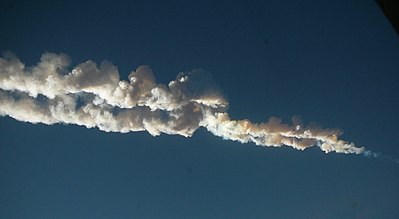
On February 15, 2013, Chelyabinsk became the focal point of global attention due to a spectacular and impactful meteor event. A near-Earth asteroid, estimated to be around 20 meters in diameter and weighing approximately 12,000 metric tons, entered the atmosphere at hypersonic speed. It disintegrated about 30 kilometers (19 miles) above the surface, unleashing an aerial explosion equivalent to hundreds of kilotons of TNT – far exceeding the yield of the Hiroshima atomic bomb.
The resulting shockwave propagated rapidly, causing extensive damage, primarily broken windows, across the city and surrounding areas, injuring over 1,500 people, mostly from flying glass fragments. This event provided invaluable scientific data on the atmospheric entry and fragmentation of superbolides, offering insights into asteroid composition, trajectory prediction, and the potential hazards posed by near-Earth objects. It underscored the importance of planetary defense and spurred further research into asteroid detection and characterization.
Socio-Economic Fabric and Educational Landscape
With a population exceeding 1.2 million, Chelyabinsk ranks among Russia's largest cities and serves as the administrative center of its namesake Oblast. The primary language is Russian, reflecting the broader national context. The city's economy remains heavily reliant on its robust heavy industry sector, including metallurgy, machine building, and defense production, though diversification efforts are ongoing.
Chelyabinsk is also a significant educational hub, home to several prominent institutions of higher learning, such as South Ural State University (SUSU) and Chelyabinsk State University. These universities play a critical role in training a skilled workforce for the region's industries and contribute to scientific research. The cultural life of Chelyabinsk is diverse, featuring numerous theaters, museums, and cultural centers that reflect its industrial heritage and evolving identity.
Despite environmental challenges associated with its industrial past, the city actively engages in urban development and cultural initiatives.
See also
Frequently Asked Questions
What is Chelyabinsk known for?+
Why did Chelyabinsk become an industrial city?+
How cold is Chelyabinsk in winter?+
What happened when the meteor fell in 2013?+
Where is Chelyabinsk located?+
Based on content from Wikipedia · Licensed under CC BY-SA 4.0