

Character (arts)
Images
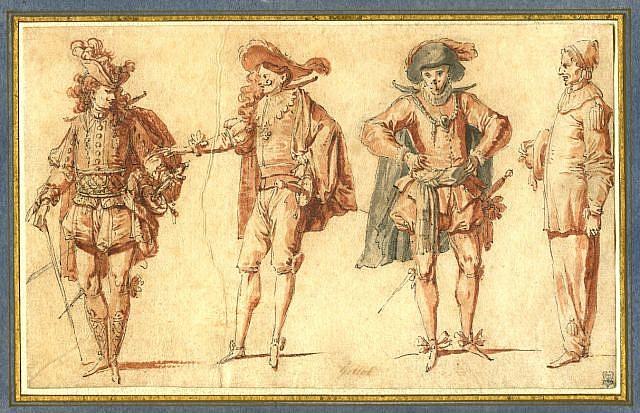
Character (arts)
The Genesis and Evolution of the Artistic Persona
The concept of the character in art is a foundational element of visual storytelling, extending far beyond mere depiction. Historically, early human art, such as cave paintings and ancient petroglyphs, featured figures that served narrative and symbolic functions, representing deities, ancestors, or significant events. This practice evolved through millennia, with cultures developing distinct visual languages for characters in religious iconography, epic literature illustrations, and theatrical performances.
The Renaissance saw a rise in portraiture, focusing on individual identity, while later movements like Romanticism and Expressionism explored characters as vehicles for intense emotion and subjective experience. The advent of mass media, particularly print, film, and digital technologies, has exponentially amplified the reach and diversity of artistic characters, transforming them into global cultural touchstones and powerful agents of communication.
The Psychological Resonance
Characters possess a profound psychological impact, serving as crucial conduits for emotional connection and thematic exploration within artistic works. They allow audiences to engage with complex ideas, moral dilemmas, and emotional landscapes through relatable or aspirational figures. Artists leverage character design-through form, color theory, gesture, and expression-to communicate personality traits, motivations, and internal states, often creating a visual shorthand that bypasses explicit exposition.
This ability to evoke empathy, identification, or even antipathy makes characters powerful tools for shaping audience perception and fostering deeper engagement with the artwork's message. The archetypal nature of many characters further taps into universal human experiences, ensuring their enduring relevance across diverse cultures and time periods.
The Architect's Blueprint
The creation of a compelling character is a meticulous process that integrates aesthetic principles with narrative requirements. Artists consider a multitude of design elements, including silhouette, proportion, texture, and color palette, to establish a character's visual identity and convey their essence. A character's posture and gait can communicate confidence, insecurity, or aggression, while their attire might signify social status, profession, or cultural background.
Facial features and expressions are paramount in conveying emotion and personality, often employing exaggeration or subtle nuances to achieve specific effects. This deliberate construction ensures that a character is not only visually appealing but also functionally serves the narrative, making them instantly recognizable and memorable to the audience.
Characters as Cultural Barometers and Agents of Change
Artistic characters function as potent cultural signifiers, reflecting and shaping societal values, anxieties, and aspirations. They can embody prevailing ideologies, challenge established norms, or offer visions of alternative futures. From the heroic figures of propaganda to the anti-heroes of contemporary cinema, characters often serve as lenses through which societies examine themselves.
Their widespread dissemination through media makes them powerful agents of cultural transmission, influencing fashion, language, and social attitudes. Moreover, the evolution of characters can mirror societal shifts, demonstrating how our understanding of identity, heroism, and villainy changes over time.
The Ubiquitous Character
The presence of characters has permeated nearly every facet of modern visual culture, extending far beyond traditional fine arts. They are the driving force behind the multi-billion dollar animation and video game industries, where interactive characters offer immersive experiences. In advertising, memorable characters are employed to build brand recognition and forge emotional connections with consumers.
Even in fields like education and scientific communication, characters are used to simplify complex information and make it more accessible. The digital age has further democratized character creation, with tools allowing individuals to design and animate their own figures, fostering new forms of storytelling and personal expression.
See also
Frequently Asked Questions
What is a character in art?+
Why do artists design characters with different colors?+
How do characters help us feel emotions?+
Where did characters first appear in art?+
What makes a character memorable?+
Based on content from Wikipedia · Licensed under CC BY-SA 4.0