

Cemetery
Images
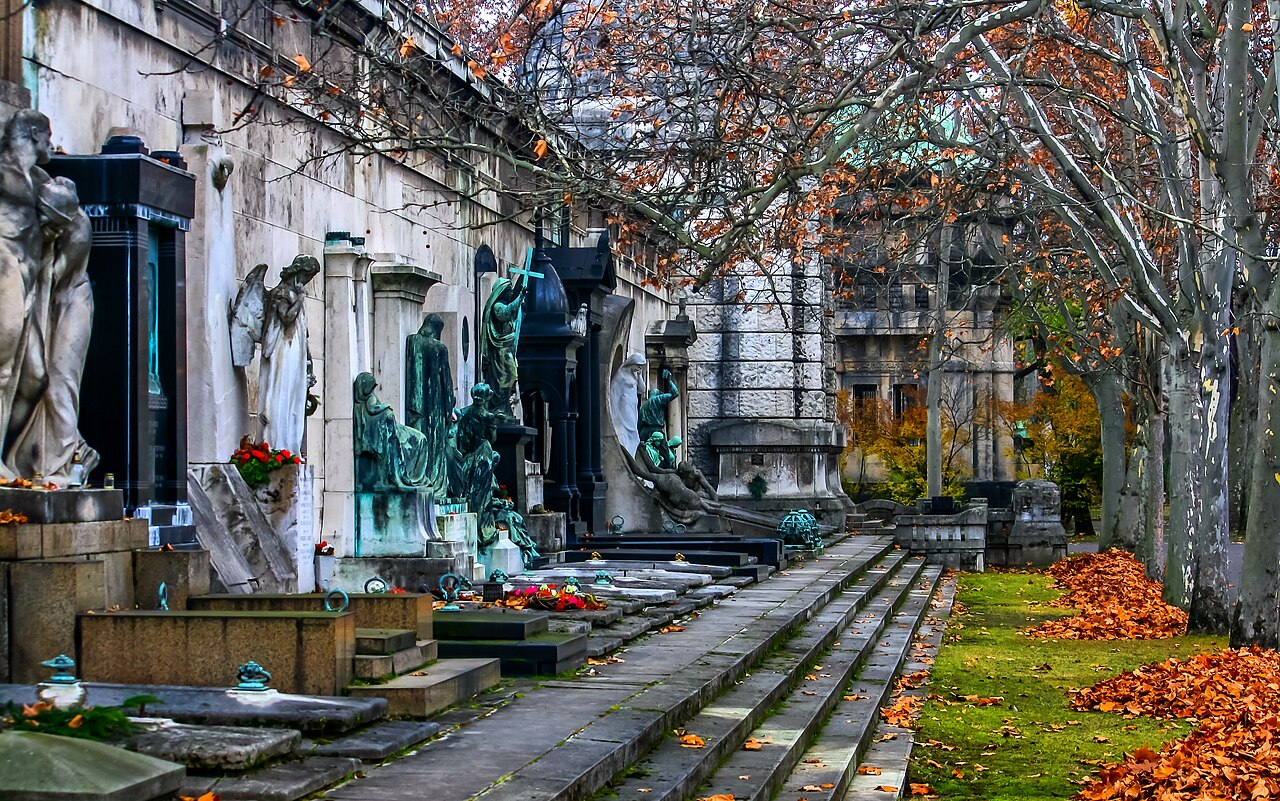
Cemetery
The Evolving Landscape of Final Rest
Cemeteries represent a profound intersection of human mortality, cultural practices, and societal development. Historically, burial practices varied immensely, from the monumental tombs of ancient Egypt to the informal churchyards of medieval Europe. The emergence of the modern, secular cemetery in the 18th and 19th centuries, particularly the 'garden cemetery' movement, marked a significant shift.
Driven by concerns over public health, urban expansion, and a burgeoning Romantic sensibility, these new cemeteries were conceived as beautiful, park-like landscapes intended for public access and contemplation, not merely as somber resting places. This transformation reflected changing attitudes towards death, grief, and the commemoration of the dead, emphasizing beauty, tranquility, and a connection with nature as integral components of the memorialization process. The design and layout of these spaces often mirrored social hierarchies and aesthetic ideals of their time.
Cemeteries as Archives of Human Experience
Beyond their primary function, cemeteries function as invaluable historical and genealogical archives. The inscriptions on headstones provide primary source data for understanding demographics, migration patterns, family structures, and even the prevalence of certain diseases or causes of death across different eras. The evolution of funerary art, from simple markers to elaborate sculptures and mausoleums, offers insights into changing artistic styles, technological capabilities, and societal values.
For genealogists and historians, cemeteries are crucial sites for tracing lineage and reconstructing past lives. They offer a tangible link to ancestors, allowing for a deeper understanding of personal and collective heritage. The preservation and study of cemetery records and monuments are therefore vital for maintaining our connection to the past.
The Multifaceted Significance of Memorial Landscapes
The significance of cemeteries extends into multiple domains. Culturally, they are spaces where collective memory is maintained and where rituals of remembrance are performed, reinforcing social bonds and cultural identity. They can also serve as sites of national or local importance, commemorating historical events or significant individuals.
From an urban planning perspective, cemeteries contribute to the green infrastructure of cities, offering open spaces, biodiversity habitats, and opportunities for passive recreation. Increasingly, there is a focus on sustainable practices, such as green burials and the preservation of historic cemetery landscapes, recognizing their ecological and cultural value. The ongoing adaptation of cemeteries to contemporary needs, including cremation gardens and memorial walls, highlights their enduring relevance.
Design and Management
The design and management of cemeteries involve a complex interplay of practical, aesthetic, and ethical considerations. Layouts are planned to optimize space, facilitate access, and create a harmonious environment. The selection of materials for markers and monuments, as well as landscaping choices, are influenced by durability, cost, and aesthetic appeal.
Modern cemetery management often involves sophisticated record-keeping, grounds maintenance, and the implementation of new burial options. The challenge lies in balancing the preservation of historic integrity with the need to accommodate contemporary preferences and evolving environmental concerns. This includes addressing issues of land use, sustainability, and the creation of inclusive memorial spaces that resonate with diverse communities.
Contemporary Relevance and Future Directions
In contemporary society, cemeteries continue to evolve. The rise of cremation has led to new forms of memorialization, such as columbaria and memorial gardens, challenging the traditional dominance of in-ground burial. There is also a growing interest in 'green burials,' which emphasize natural decomposition and minimal environmental impact, reconnecting burial practices with natural cycles.
Furthermore, digital technologies are beginning to play a role, with online memorials and virtual tours offering new ways to access and engage with cemetery information. As urban populations grow and land becomes scarcer, innovative approaches to cemetery design and management will be crucial to ensure these vital spaces can continue to serve their multifaceted roles for future generations.
Go deeper
Frequently Asked Questions
What is a cemetery?+
Why do cemeteries look like parks?+
How can a cemetery help us learn about the past?+
What is a green burial?+
Why do people still use cemeteries today?+
Based on content from Wikipedia · Licensed under CC BY-SA 4.0