

Castle of Púbol
Images
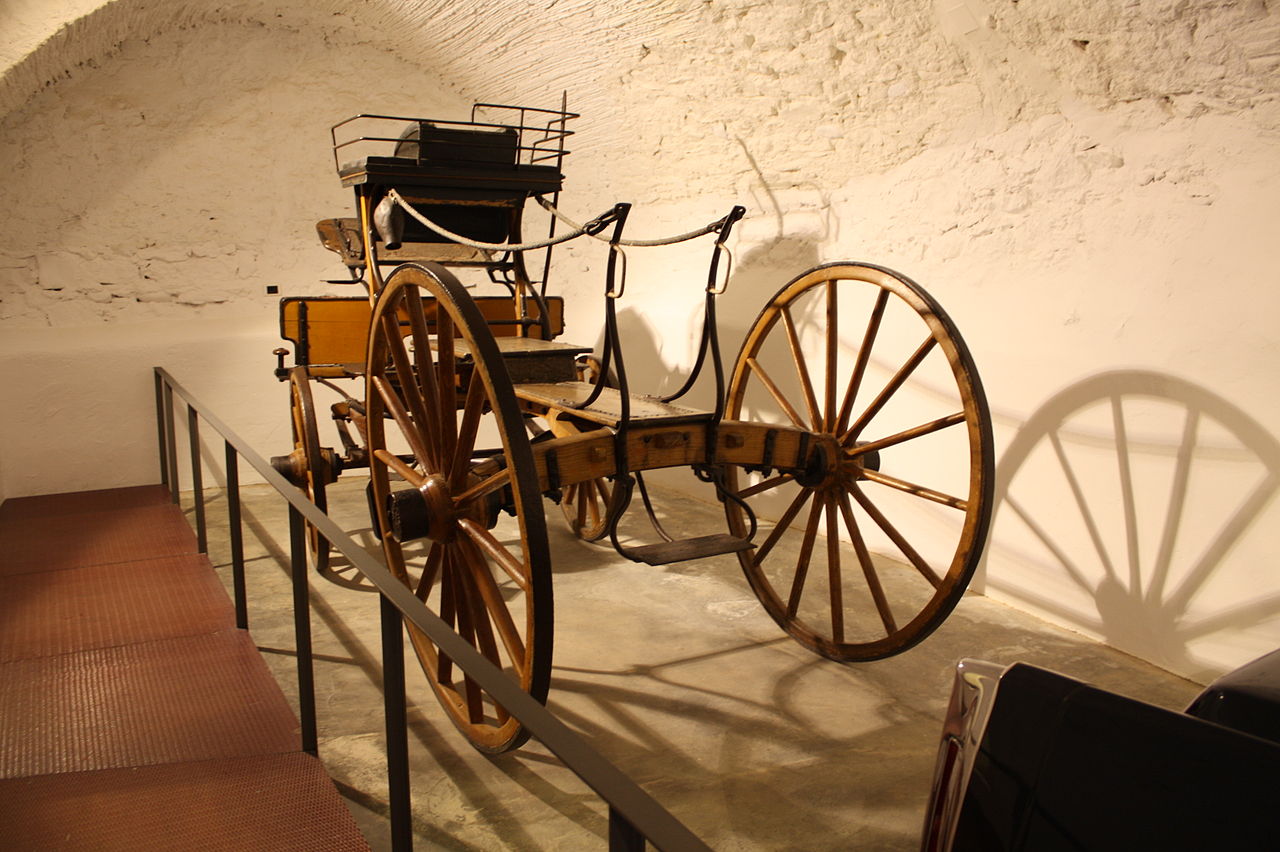
Castle of Pubol Carriage


From Medieval Fortress to Personal Pantheon
The Castle of Púbol, originally a medieval structure in the comarca of Baix Empordà, Girona, Catalonia, Spain, underwent a profound transformation under the visionary direction of Salvador Dalí. Far from a mere renovation, Dalí’s intervention was an act of artistic consecration, dedicated entirely to his wife, Gala. He acquired the castle in 1969 with the express purpose of creating a secluded haven for her, a space where she could retreat from the public eye and indulge in her regal persona.
Dalí’s creative efforts were singularly focused on this project, infusing the ancient stones with his characteristic surrealist aesthetic and deeply personal symbolism. The castle’s architecture and interior design reflect Dalí’s meticulous attention to detail, turning it into a living canvas that celebrated Gala. The surrounding Catalan landscape, with its Mediterranean climate, provides a serene and inspiring setting for this unique monument to marital devotion.
Gala Dalí
The Castle of Púbol is inextricably linked to Gala Dalí, Salvador Dalí’s wife, lover, and principal muse. Dalí’s decision to purchase and renovate the castle was a direct manifestation of his profound admiration and love for her. He intended it to be her personal palace, a place where she could reign supreme.
The castle’s transformation was guided by Dalí’s desire to fulfill Gala’s aspirations for a grand and private residence. The fact that Gala is buried within the castle grounds elevates its status from a mere house-museum to a sacred space, a final resting place that embodies Dalí’s ultimate tribute. This profound connection makes Púbol a unique site within Dalí’s oeuvre, representing the apex of his personal artistic expression channeled through his devotion to Gala.
The Empordà Dalinian Triangle
The Castle of Púbol forms a crucial component of the Empordà Dalinian triangle, a curated circuit of sites that collectively illuminate the life, work, and artistic evolution of Salvador Dalí. Alongside the Casa-Museu Castell Gala Dalí in Púbol, the triangle encompasses the Salvador Dalí House Museum in Portlligat, his primary residence and studio for many years, and the iconic Dalí Theatre and Museum in Figueres, his ambitious birthplace project.
This geographical and thematic triangulation allows visitors to engage with Dalí’s multifaceted genius on a deeper level. Púbol represents the intimate, personal sphere of his devotion; Portlligat, the intimate space of his creative process; and Figueres, the grand, public spectacle of his artistic universe. Together, these sites offer a comprehensive understanding of Dalí’s impact on 20th-century art and culture.
Stewardship and Enduring Relevance
Currently, the Castle of Púbol is under the stewardship of the Gala-Salvador Dalí Foundation, an entity entrusted with the preservation and interpretation of Dalí’s artistic and personal legacy. While legally owned by the Spanish State, the Foundation’s management ensures that the castle continues to function as a vital cultural institution. It remains open to the public, offering an immersive experience into the surrealist world Dalí crafted for Gala.
The castle’s enduring relevance lies not only in its connection to a globally celebrated artist but also in its powerful narrative of love, devotion, and the creation of a personal paradise. It serves as a tangible reminder of how art can transcend mere aesthetics to become a profound expression of human emotion and a lasting legacy.
Architectural and Symbolic Dimensions
The architectural modifications undertaken by Dalí at Púbol were not merely decorative but deeply symbolic. He integrated elements that reflected his personal iconography and his perception of Gala’s divine status. For instance, the incorporation of classical motifs alongside surrealist touches created a unique dialogue between history and fantasy.
The castle’s layout was reconfigured to enhance Gala’s comfort and privacy, with specific rooms designed to reflect her personality and Dalí’s idealized vision of her. The gardens, too, were part of this artistic endeavor, providing a tranquil yet visually stimulating environment. The very act of transforming a medieval structure into a personal sanctuary speaks volumes about Dalí’s ability to manipulate space and meaning, turning a historical site into a profound personal statement and a lasting monument to his muse.
See also
Frequently Asked Questions
What is the Castle of Púbol?+
Why did Salvador Dalí buy the castle?+
How did Dalí change the castle?+
Who lives (or is buried) at the castle?+
Can people visit the castle today?+
Based on content from Wikipedia · Licensed under CC BY-SA 4.0