

Carl Rogers
Images
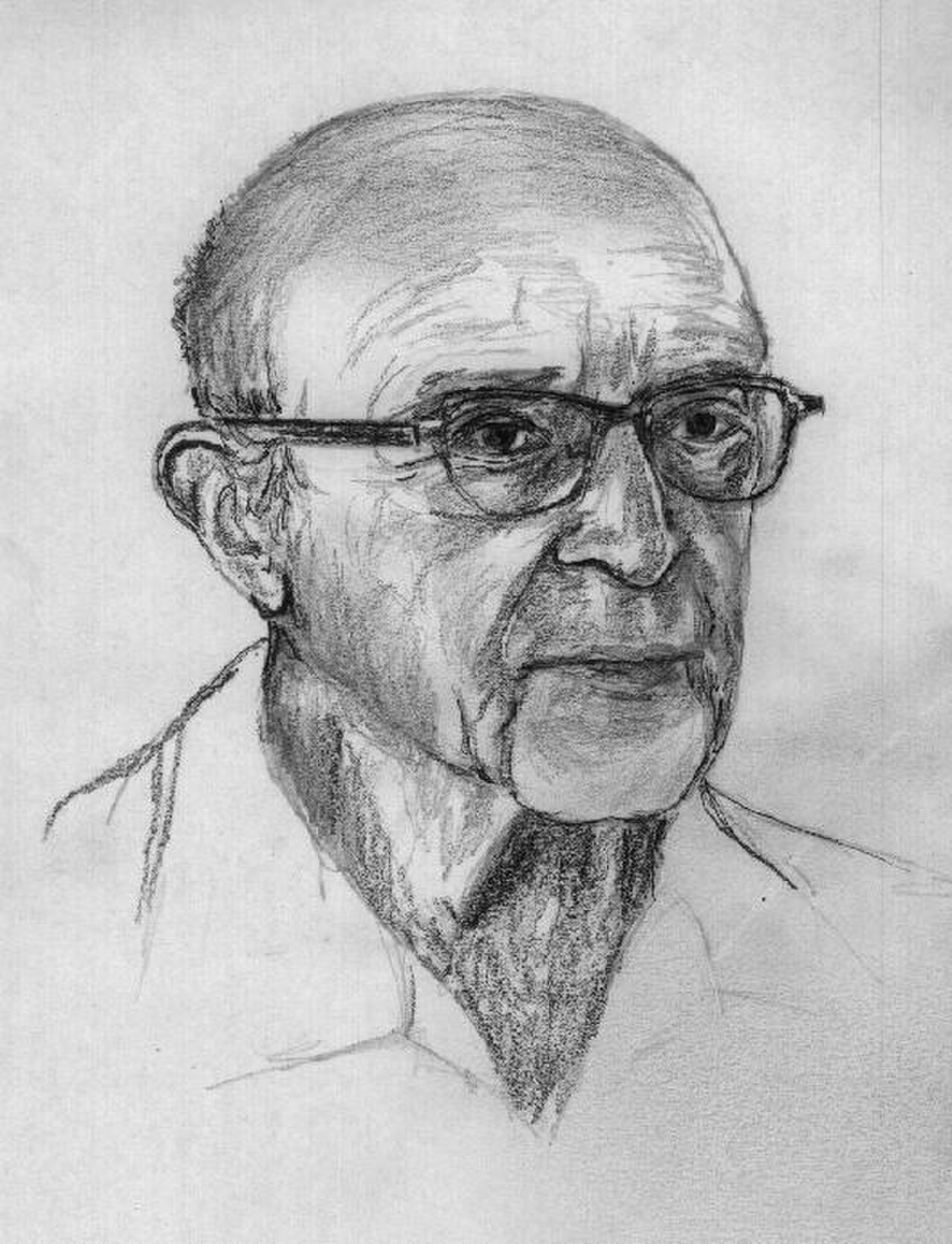
Carl Rogers
Foundations of a Humanistic Revolution
Carl Rogers (1902-1987) emerged as a transformative figure in 20th-century psychology, challenging prevailing deterministic views with his humanistic approach. Born in Oak Park, Illinois, Rogers' early life on a farm instilled values of self-reliance and observation. Initially pursuing agriculture and then theology, his path eventually led him to clinical psychology.
He became a leading proponent of humanistic psychology, a movement that emphasized the inherent goodness, potential for growth, and subjective experience of individuals. This stood in stark contrast to the behaviorist focus on observable actions and the psychoanalytic focus on unconscious drives, offering a more optimistic and person-centered perspective on mental well-being and development.
The Core Conditions of Therapeutic Change
Rogers' most significant contribution is the development of client-centered therapy, later known as person-centered therapy. At its heart are three core conditions he believed were necessary and sufficient for therapeutic growth: congruence, unconditional positive regard, and accurate empathic understanding. Congruence refers to the therapist's genuineness and authenticity, being real and transparent in the relationship.
Unconditional positive regard involves a deep, non-judgmental acceptance of the client, valuing them as a person regardless of their thoughts, feelings, or behaviors. Empathy is the therapist's ability to deeply understand the client's internal frame of reference, to perceive their world as if they were the client, and to communicate this understanding. This relational stance empowers the client, fostering self-exploration and facilitating intrinsic change.
The Actualizing Tendency and the Self
Central to Rogers' theory is the concept of the 'actualizing tendency,' an innate drive within all living organisms to grow, develop, and fulfill their potential. For humans, this tendency is closely linked to the 'self-concept'-how individuals perceive themselves. Rogers posited that psychological maladjustment arises when there is a 'discrepancy' or incongruence between the actualizing tendency and the self-concept, often due to conditions of worth imposed by others.
When individuals experience unconditional positive regard, they are more likely to integrate their experiences into their self-concept, leading to greater congruence and movement towards self-actualization-becoming the fullest, most authentic version of oneself. This focus on potential and growth is a hallmark of his optimistic psychology.
Rogers' Enduring Legacy in Practice and Theory
The impact of Carl Rogers' work resonates profoundly across various fields today. His person-centered approach has influenced counseling, psychotherapy, education, and even organizational management. The emphasis on the therapeutic relationship as the primary agent of change has become a cornerstone of evidence-based practice.
Furthermore, his advocacy for the client's autonomy and inherent capacity for self-healing has democratized the helping professions, shifting power dynamics and fostering a more respectful, collaborative model. His ideas continue to inform contemporary therapeutic modalities and underscore the critical importance of empathy, authenticity, and genuine human connection in fostering psychological well-being and personal development.
From Therapy Rooms to Global Dialogue
Beyond his clinical contributions, Rogers was deeply committed to fostering understanding and peace on a larger scale. In his later years, he applied his principles of communication and empathy to conflict resolution, working with groups in deeply divided societies, including Northern Ireland, South Africa, and Latin America. He believed that by creating environments of open communication, trust, and mutual understanding, even the most intractable conflicts could be addressed.
His work in this area highlights the universal applicability of his core tenets-that genuine human connection and a willingness to understand the other's perspective are fundamental to healing, both individually and collectively.
Go deeper
Frequently Asked Questions
What is Carl Rogers known for?+
How does client-centered therapy help people?+
Why does Carl Rogers think people want to grow?+
What happens when people feel judged?+
Where can Carl Rogers’ ideas be used today?+
Based on content from Wikipedia · Licensed under CC BY-SA 4.0