

Capoeira
Images
Capoeira


The Genesis of Resistance
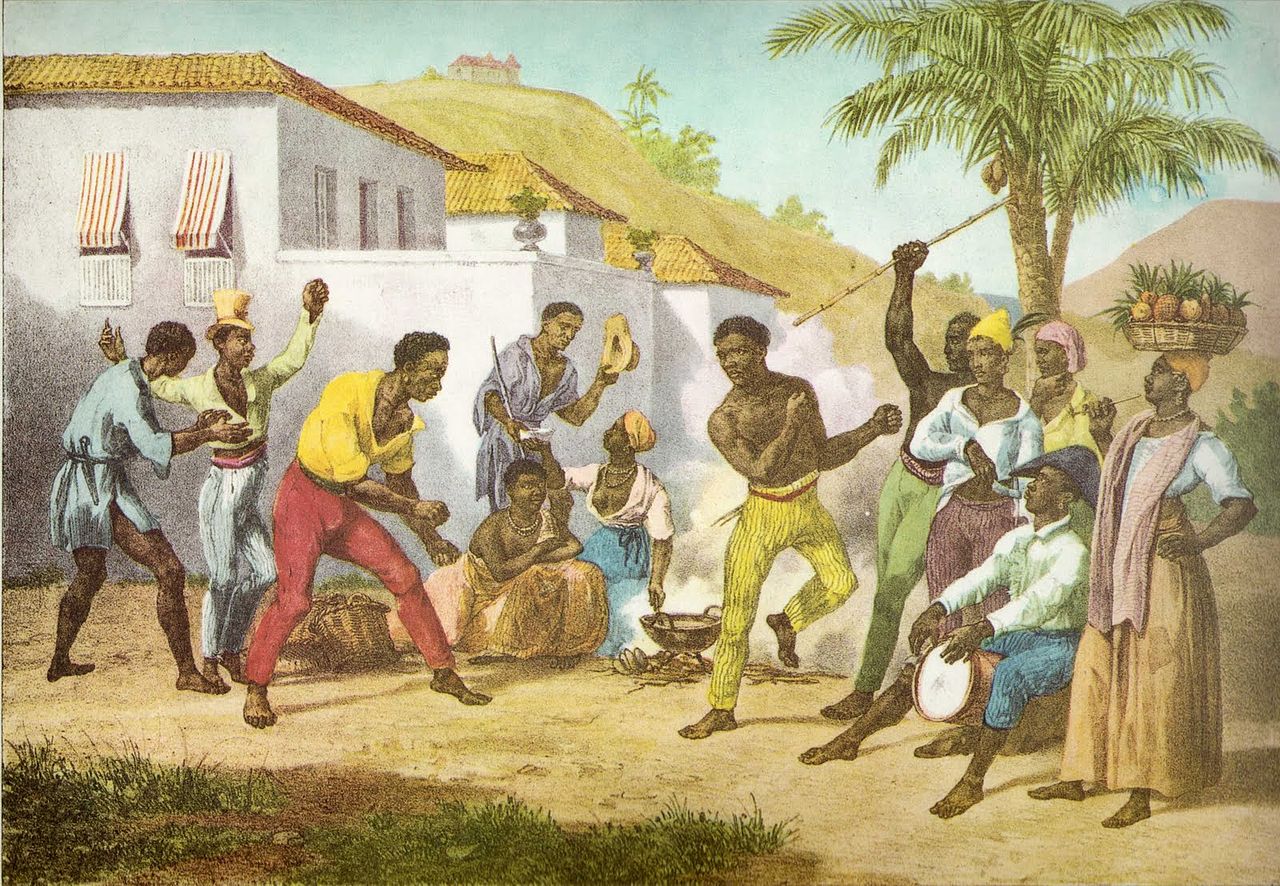
Capoeira's origins are inextricably linked to the brutal institution of slavery in colonial Brazil. Developed by enslaved Africans, primarily of Bantu and West African descent, it served as a vital survival mechanism. The art form was meticulously crafted to conceal martial training within the guise of dance and ritual, allowing practitioners to hone combat skills without detection by slave owners.
This ingenious subversion was crucial for self-defense, community protection, and the preservation of African cultural identity in the face of systematic dehumanization. The rhythmic movements, often accompanied by song and percussion, provided a psychological outlet and fostered a sense of solidarity. Despite periods of severe repression, including government bans in the late 19th and early 20th centuries, Capoeira persisted in clandestine communities, evolving into a potent symbol of Afro-Brazilian heritage and resistance against oppression.
Its survival is a testament to the enduring power of cultural expression.
The Roda as a Microcosm
The 'roda' is the sacred space where Capoeira unfolds, functioning as much more than a performance arena. It is a dynamic ecosystem where music, movement, and social interaction converge. The 'bateria', the ensemble of musical instruments, is led by the 'berimbau', whose different tones and rhythms dictate the 'jogo' (game) – its speed, style, and intensity.
The 'Mestre' often plays the lead berimbau, guiding the energy. Participants in the roda are not passive observers; they are active contributors, clapping, singing call-and-response verses, and offering 'axé' (spiritual energy) to the players. The dialogue between the two capoeiristas within the roda is a complex interplay of attack, defense, evasion, and improvisation, reflecting a sophisticated non-verbal communication that mirrors the historical need for strategic interaction and adaptation.
Physicality and Philosophy
Capoeira demands an extraordinary synthesis of physical prowess and mental acuity. The foundational 'ginga' is a deceptively simple yet complex movement, a constant state of flux that enables fluid transitions between evasive maneuvers and powerful offensive strikes. Practitioners, known as 'capoeiristas', master a vast repertoire of kicks, sweeps, takedowns, and acrobatic feats, often executed with breathtaking speed and grace.
Beyond the physical, Capoeira instills a profound philosophy of respect, discipline, and self-awareness. The constant adaptation required within the 'roda' cultivates problem-solving skills and strategic thinking. It teaches practitioners to read their opponent, anticipate movements, and respond with creativity and precision, embodying a holistic approach to human development that integrates mind, body, and spirit.
Capoeira's Global Reach and Cultural Significance
From its clandestine origins, Capoeira has transcended geographical and cultural boundaries to become a globally recognized art form. Its unique blend of athleticism, artistry, and cultural depth has captivated practitioners and audiences worldwide. Today, 'academias' (schools) dedicated to Capoeira can be found on every continent, fostering international communities united by this shared tradition.
Its significance extends beyond the physical realm; Capoeira serves as a powerful vehicle for cultural diplomacy, promoting understanding and appreciation of Afro-Brazilian heritage. It continues to be a vibrant expression of resilience, creativity, and the enduring human spirit, offering a compelling example of how cultural practices can evolve while retaining their historical essence and social relevance in the modern world.
Key Elements and Variations
Capoeira is broadly categorized into two main styles: Capoeira 'Angola' and Capoeira 'Regional'. Capoeira Angola, often considered the older style, emphasizes a lower, slower, more grounded 'jogo' with a strong connection to ritual and tradition. It features more deceptive movements and a greater focus on the 'Mestre's' control.
Capoeira Regional, developed by Mestre Bimba in the early 20th century, introduced a more structured approach, incorporating elements from other martial arts and emphasizing faster, more direct combat techniques. While these styles have distinct characteristics, they share the fundamental elements of the 'roda', the music, and the 'ginga', all rooted in the historical context of Afro-Brazilian culture and the enduring quest for freedom and self-expression.
Go deeper
Frequently Asked Questions
What is Capoeira?+
Why was Capoeira created?+
Where does Capoeira happen?+
How do people play music in Capoeira?+
What is the 'ginga' in Capoeira?+
Based on content from Wikipedia · Licensed under CC BY-SA 4.0