

Cape Verde: Islands in the Sun!
Images

Cape Verde


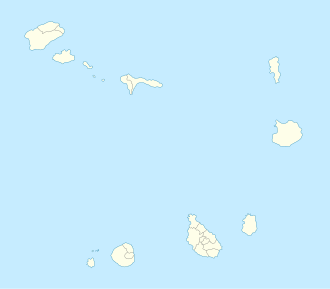


Geological Origins and Strategic Maritime Placement
Cape Verde, or Cabo Verde, is an archipelago nation situated in the central Atlantic Ocean, approximately 600 to 850 kilometers (370 to 530 miles) west of Cap-Vert, the westernmost point of continental Africa. This geographical isolation is a defining characteristic, with the ten volcanic islands forming a distinct landmass. The islands are geologically young, born from volcanic activity, which has sculpted dramatic landscapes of rugged mountains, arid interiors, and striking coastlines.
They are part of the Macaronesia ecoregion, a collection of Atlantic archipelagos with shared botanical and geological similarities. The archipelago's location was historically significant, placing it at a crucial junction for maritime routes. This strategic position, while offering natural beauty, also presented challenges, including limited freshwater resources and susceptibility to drought, factors that have profoundly influenced its history and development.
The total land area is modest, around 4,033 square kilometers (1,557 sq mi), meaning that development and resource management are critical considerations for the nation.
A Crucible of History
The history of Cape Verde is intrinsically linked to the Age of Discovery. Until the 15th century, the islands were uninhabited. Portuguese explorers colonized them, establishing one of the earliest European settlements in the tropics. Its prime location quickly made it a vital hub in the transatlantic slave trade during the 16th and 17th centuries.
The islands prospered economically by trading manufactured goods, rum, and cloth for enslaved Africans, ivory, and gold. This period, while bringing commercial activity, was built upon immense human suffering and exploitation. By the mid-19th century, the abolition of the slave trade, coupled with increased foreign competition and persistent droughts, led to severe economic decline and widespread emigration.
Despite these challenges, Cape Verde gradually recovered, re-establishing itself as an important commercial center and a crucial coaling and stopping point for major shipping routes. Full independence was achieved in 1975, marking a new era for the nation.
Cultural Synthesis
The cultural landscape of Cape Verde is a rich tapestry woven from its diverse historical influences. The population, numbering around 596,000 (2022), traces its ancestry primarily to West African populations, with significant contributions from Portuguese settlers and other groups who arrived during the Atlantic era. This fusion is most evident in its languages: Portuguese is the official language, but Cape Verdean Creole (Crioulo) is the vernacular, spoken by the vast majority.
Creole is a testament to the islands' history, blending Portuguese grammar with vocabulary from various African languages. Music is a cornerstone of Cape Verdean identity, with genres like Morna, known for its melancholic beauty and themes of saudade (longing), and the more upbeat Coladeira, gaining international acclaim. Artists like Cesária Évora became global ambassadors for this unique musical heritage. The nation also boasts a significant diaspora, with more Cape Verdeans living abroad than on the islands themselves, maintaining strong cultural ties across continents.
Contemporary Cape Verde
Since the early 1990s, Cape Verde has established itself as a stable representative democracy and is recognized as one of the most developed and democratic countries in Africa. The nation's economy is predominantly service-oriented, with tourism playing a pivotal role. The islands' natural beauty, pristine beaches, and unique volcanic landscapes attract a growing number of international visitors, contributing significantly to foreign investment and economic growth.
Recognizing its limited natural resources, Cape Verde is actively pursuing strategies for sustainable development, focusing on renewable energy and ecotourism. The government structure is a unitary parliamentary republic, ensuring a democratic framework for its citizens. The capital city, Praia, is located on Santiago, the most populous island, while Mindelo on São Vicente is another key urban and cultural hub.
Despite its challenges, Cape Verde continues to build a resilient and forward-looking nation.
Go deeper
Frequently Asked Questions
Where are the Cape Verde islands located?+
Why are the Cape Verde islands called volcanic islands?+
What languages do people speak in Cape Verde?+
What kind of music comes from Cape Verde?+
How did Cape Verde become independent?+
Based on content from Wikipedia · Licensed under CC BY-SA 4.0