

Cafayate
Images

Catedral De Nuestra SeñOra Del Rosario, Cafayate 01

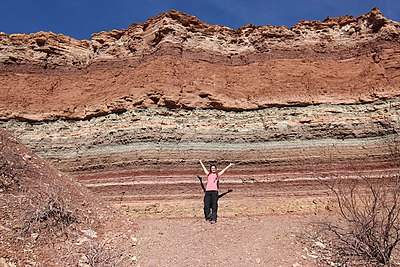


Geographical Determinants of Cafayate's Unique Character
Cafayate's identity is inextricably linked to its dramatic geographical setting. Perched at an altitude of 1,683 meters (5,522 feet) above sea level, it resides in the central zone of the Valles Calchaquíes in Salta Province, Argentina. This high elevation is not merely a statistic; it's a critical factor in its terroir.
The thinner atmosphere filters UV radiation, leading to intense sunlight that promotes grape skin development and phenolic ripeness, while the significant diurnal temperature variation-hot days and cool nights-allows grapes to develop complex aromas and acidity without becoming overly ripe. The Valles Calchaquíes themselves are characterized by arid conditions and alluvial soils, often rich in minerals, which further contribute to the distinctiveness of the wines produced here. Its distance from major urban centers, 189 kilometers from Salta City and 1,329 kilometers from Buenos Aires, has historically fostered a sense of isolation that has helped preserve its unique cultural and agricultural practices, while also presenting logistical challenges for trade and development.
From Colonial Outpost to Modern Municipality
The historical trajectory of Cafayate reveals a transformation from a religious settlement to a recognized administrative and economic hub. Its origins trace back to a mission, a common feature of colonial expansion in South America, serving as a point of religious conversion and cultural assimilation. The formal founding of the town occurred in 1840 under Manuel Fernando de Aramburu, marking its transition into a more secular and organized settlement.
A significant milestone was reached in 1863 with the creation of the Cafayate Department, establishing Cafayate as its capital. This designation underscored its growing importance as a regional center, facilitating governance and economic activity. This evolution from a mission site to a departmental capital reflects broader patterns of settlement and development in Argentina, where strategic locations and resource potential dictated the growth of communities.
The Economic Engine
Cafayate's economy is predominantly driven by two interconnected sectors: wine production and tourism. The region is globally recognized for its high-quality wines, particularly its aromatic white Torrontés, and increasingly for its robust red varietals like Malbec and Cabernet Sauvignon, all benefiting from the unique high-altitude terroir. The quality and originality of these wines have established Cafayate as a premier wine-producing region in Argentina, attracting significant investment and expertise.
This viticultural success has, in turn, fueled a burgeoning tourism industry. Visitors are drawn to the picturesque vineyards, the opportunity for wine tasting, and the chance to explore the stunning natural beauty of the Valles Calchaquíes. The town serves as a vital tourist gateway, supporting local businesses, hospitality services, and cultural experiences, making it a crucial economic engine for Salta Province.
Sociocultural Fabric of the High Valleys
With a population of approximately 12,000 inhabitants, Cafayate is a community deeply rooted in its environment and history. The sociocultural fabric is a rich tapestry woven from indigenous traditions, Spanish colonial influences, and the modern influx of tourism and viticultural expertise. Daily life is often characterized by a slower pace, influenced by agricultural cycles and the rhythms of the wine industry.
The local culture is expressed through traditional festivals, music, and crafts, offering visitors an authentic glimpse into regional Argentine life. The community's identity is strongly tied to the land and the cultivation of grapes, fostering a sense of pride and shared heritage among its residents. This unique blend of tradition and contemporary development makes Cafayate a compelling cultural destination.
Governance and Regional Administration
As the capital of the Cafayate Department, the town plays a crucial role in the administrative and political landscape of Salta Province. Its governance structure aligns with Argentina's federal system, where municipal authorities manage local affairs, including public services, urban planning, and community development initiatives. The provincial government of Salta provides oversight and implements broader regional policies.
Cafayate's status as a departmental capital signifies its historical importance and its function as a service and administrative hub for the surrounding rural and agricultural areas within the Valles Calchaquíes. This administrative role is vital for coordinating regional development, resource management, and ensuring the provision of essential services to its populace and the wider department.
Educational Landscape and Future Development
Education in Cafayate, like in much of Argentina, is structured across primary, secondary, and tertiary levels, though specific institutions and advanced programs may be more concentrated in larger cities. The local educational system aims to equip the youth with foundational knowledge and skills, preparing them for participation in the regional economy, which is heavily influenced by agriculture and tourism. There is a growing recognition of the need for specialized training in viticulture and enology to support the booming wine industry, potentially leading to the development of more targeted educational programs or partnerships with national agricultural universities.
The educational infrastructure in Cafayate is crucial for fostering local talent, promoting innovation in winemaking and tourism, and ensuring the sustainable development of the community and its unique high-altitude environment.
See also
Frequently Asked Questions
What is Cafayate known for?+
How high is Cafayate above sea level?+
Why do the grapes in Cafayate taste special?+
When was Cafayate founded?+
What can visitors do in Cafayate?+
Based on content from Wikipedia · Licensed under CC BY-SA 4.0