

Cabbage: The Leafy Wonder!
Images
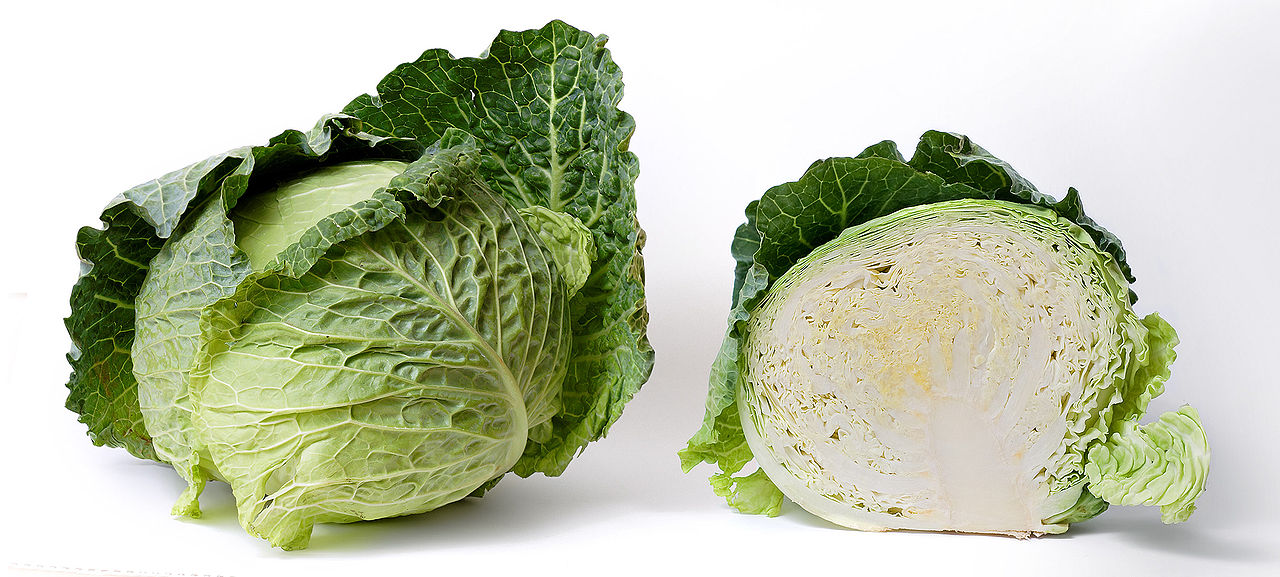
Cabbage


![Woman leaning in a dress made up of a cabbage. [front]](https://live.staticflickr.com/5520/9785789083_6432b4768f_n.jpg)


The Evolutionary Trajectory of Brassica oleracea
The story of cabbage (Brassica oleracea var. capitata) is a testament to the power of human selection acting upon a single, adaptable wild species. Originating from a coastal wild cabbage found along the Mediterranean and Atlantic coasts of Europe, this plant possessed a remarkable genetic plasticity. Early cultivators, likely in ancient Greece and Rome, began selecting for desirable traits such as larger leaves, reduced bitterness, and a tendency to form compact heads.
This process, spanning millennia, led to the diversification of Brassica oleracea into numerous distinct cultivars, including not only cabbage but also broccoli, cauliflower, kale, Brussels sprouts, and kohlrabi. The development of cabbage itself involved selecting for plants that produced tightly packed leaves, offering a dense, nutrient-rich food source. This evolutionary journey highlights the profound impact of agriculture on shaping plant biodiversity and food systems.
Cabbage's Enduring Role in Global Sustenance and Culture
Historically, cabbage was more than just a food; it was a critical component of survival. Its remarkable storability, particularly when preserved through pickling or fermentation into sauerkraut and kimchi, made it indispensable for populations facing long winters or extended voyages. This ability to provide essential vitamins, especially Vitamin C, helped prevent scurvy and other deficiency diseases.
The spread of cabbage across Europe and Asia, facilitated by trade routes and migration, cemented its status as a staple crop. Its versatility in cuisine is unparalleled, featuring in everything from simple peasant dishes to elaborate culinary creations. The cultural significance of cabbage is evident in its presence in traditional festivals, folk remedies, and everyday meals across diverse societies, underscoring its deep integration into human history and identity.
Botanical Classification and Culinary Adaptability
Cabbage belongs to the Brassicaceae family, a group renowned for its nutritious and often pungent members. Within the Brassica oleracea species, var. capitata specifically refers to the head-forming cabbages. Further subdivisions exist, such as var. capitata f. alba (green cabbage) and var. capitata f. rubra (red cabbage), distinguished by pigment differences.
Red cabbage, for instance, contains anthocyanins, which give it its vibrant color and possess antioxidant properties. The culinary adaptability of cabbage stems from its texture and flavor profile, which change dramatically with preparation. Raw, it offers a crisp, slightly peppery bite, ideal for salads and slaws.
Cooked, it softens, its sugars caramelize, and its flavor becomes milder and sweeter, making it suitable for braising, stir-frying, and incorporating into soups and casseroles. This range of applications ensures its continued relevance in modern gastronomy.
Nutritional Powerhouse and Agricultural Considerations
Cabbage is a nutritional powerhouse, offering a wealth of vitamins, minerals, and fiber at a low caloric cost. It is particularly rich in Vitamin C and Vitamin K, and contains beneficial phytonutrients like glucosinolates, which are being studied for their potential health benefits. Agriculturally, cabbage cultivation requires careful management of pests and diseases, as it is susceptible to various insects and fungal infections.
Crop rotation and integrated pest management strategies are crucial for successful yields. The global production of cabbage is substantial, with countries like China, India, and Russia being major contributors. Its economic importance as a widely consumed and easily grown crop ensures its continued cultivation and presence in global food markets, contributing significantly to food security and dietary diversity.
Go deeper
Frequently Asked Questions
What is cabbage?+
Why is red cabbage special?+
How does cabbage help people stay healthy during winter?+
Where does cabbage grow?+
How can you cook cabbage to taste sweeter?+
Based on content from Wikipedia · Licensed under CC BY-SA 4.0