

Butane: The Super Fuel!
Images

Butane




The Molecular Architecture and Origin of Butane
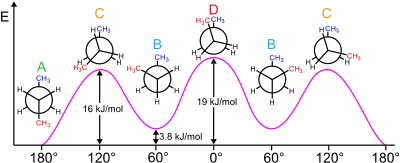
Butane, with the chemical formula C4H10, is a saturated hydrocarbon belonging to the alkane family. It exists as two structural isomers: n-butane, where the four carbon atoms form a straight chain, and isobutane (2-methylpropane), where the carbon atoms are branched. Both isomers have the same molecular formula but differ in their physical and chemical properties due to their distinct molecular structures.
Butane is primarily sourced from natural gas processing and crude oil refining. During natural gas processing, it is separated from lighter hydrocarbons like methane and ethane. In oil refineries, it is a byproduct of processes such as catalytic cracking and hydrocracking, which break down larger hydrocarbon molecules into smaller, more useful ones.
Its relatively low boiling point makes it easy to separate and store as a liquefied gas under moderate pressure, a key factor in its widespread utility. The efficient extraction and purification of butane have been cornerstones of the modern petrochemical industry.
Thermodynamics and Combustion
The utility of butane as a fuel is rooted in its thermodynamic properties and combustion characteristics. Butane has a high energy density, meaning it stores a significant amount of energy per unit of mass or volume. When butane undergoes complete combustion with sufficient oxygen, it reacts to produce carbon dioxide and water vapor, releasing a substantial amount of heat.
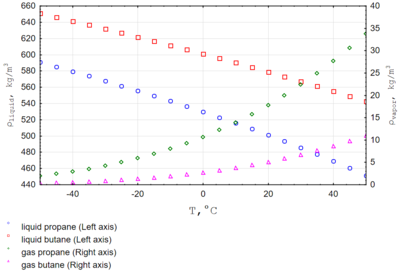
The balanced chemical equation for the combustion of n-butane is: 2 C4H10 + 13 O2 → 8 CO2 + 10 H2O. This reaction is exothermic, driving its use in heating and power generation. The ease with which butane can be liquefied under pressure (boiling point of n-butane is -0.5 °C) allows for efficient storage and transport.
When the pressure is released, the liquid rapidly vaporizes, creating a combustible gas mixture. The flame temperature of butane is high, making it effective for cooking and industrial heating applications. Incomplete combustion, however, can produce carbon monoxide and soot, which are harmful pollutants.
Industrial Applications
Butane's applications extend far beyond simple lighters and camping stoves. It serves as a critical component in aerosol propellants, where its ability to vaporize under low pressure efficiently expels products like hairsprays, deodorants, and insecticides. In the petrochemical industry, butane is a valuable feedstock.
It can be catalytically dehydrogenated to produce butenes (like 1-butene and 2-butene), which are essential monomers for producing polyethylene and other polymers. Furthermore, butane can be isomerized to isobutane, which is then used in alkylation processes to produce high-octane gasoline components. Butane is also a component of liquefied petroleum gas (LPG), often blended with propane, used for heating, cooking, and as a fuel for vehicles (autogas).
Its versatility as both a fuel and a chemical building block underscores its economic importance in global energy and chemical markets.
Safety, Environmental Impact, and Future Prospects
While butane offers significant advantages, its use is accompanied by safety and environmental considerations. As a highly flammable gas, proper storage, handling, and ventilation are paramount to prevent fires and explosions. Leaks can lead to dangerous accumulations of gas.
Environmentally, butane is a fossil fuel, and its combustion releases greenhouse gases, primarily CO2, contributing to climate change. However, it burns more cleanly than many other fossil fuels, producing fewer particulate emissions and sulfur dioxide. The extraction and transport of butane also carry environmental risks, including potential habitat disruption and methane leaks.
Future prospects for butane involve optimizing its use as a cleaner-burning fuel, exploring its role in advanced chemical synthesis, and developing more sustainable energy alternatives. Research into carbon capture technologies and more efficient extraction methods aims to mitigate its environmental footprint.
See also
Frequently Asked Questions
What is butane and why is it called a super fuel?+
How do n-butane and isobutane differ?+
Where does butane come from?+
How is butane used for cooking and heating?+
What safety rules should we follow with butane?+
Based on content from Wikipedia · Licensed under CC BY-SA 4.0