

Brigitte Macron
Images

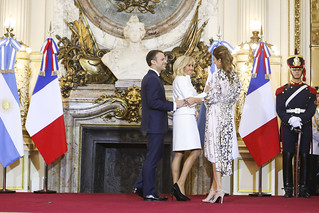
Encuentro entre la primera dama argentina, Juliana Awada y la primera dama francesa, Brigitte Macron




From Classroom to the Corridors of Power
Brigitte Macron's professional life began with a deep commitment to education. Born Brigitte Marie-Claude Trogneux on April 13, 1953, in Amiens, France, she pursued a career as a teacher of French and literature. This foundational experience in pedagogy instilled in her a profound understanding of communication, empathy, and the power of knowledge.
Her years in the classroom were not merely a job but a vocation, shaping her ability to connect with diverse audiences and articulate complex ideas. This background is crucial to understanding her public persona, as it informs her approach to diplomacy and her engagement with social issues. Her transition from the academic world to the political sphere represents a significant shift, yet her core skills as an educator remain evident in her public interactions.
Navigating the Role of First Lady
Upon her husband Emmanuel Macron's election as President of France, Brigitte Macron assumed the unofficial but highly visible role of First Lady. Unlike in some countries, the French First Lady does not have a constitutionally defined role, yet she has carved out a significant presence. She is often seen as a key advisor and confidante to the President, providing a stable and supportive presence.
Her public engagements extend beyond ceremonial duties; she actively participates in discussions on education, culture, and social welfare. Her style, both in fashion and in her public discourse, has been widely noted, contributing to her image as a modern and influential figure. She has navigated the intense media scrutiny with grace, often using her platform to champion causes she believes in.
The Impact of Her Public Persona
Brigitte Macron's public persona is a carefully constructed blend of her past as an educator and her present role as First Lady. She is often perceived as intelligent, articulate, and empathetic, qualities that resonate with the public. Her active involvement in initiatives such as promoting literacy and supporting individuals with disabilities demonstrates a commitment to social progress.
Furthermore, her international engagements have allowed her to build relationships with other world leaders and their spouses, contributing to France's diplomatic efforts. The age difference between her and President Macron has been a subject of public fascination and commentary, yet she has consistently maintained a dignified and composed public image, deflecting potential controversy and focusing on her responsibilities.
Key Aspects of Her Life and Influence
Brigitte Macron's life story is one of evolution and adaptation. Her maiden name was Trogneux, and she was previously married as Brigitte Auzière before marrying Emmanuel Macron. This personal history adds layers to her public narrative, showcasing a life lived with diverse experiences.
Her career as a teacher provided her with invaluable skills in communication and understanding human dynamics, which she now applies on a global stage. As First Lady, she has become a symbol of French elegance and intellectualism, influencing public discourse and supporting her husband's presidency. Her continued engagement with educational and social issues underscores her dedication to making a tangible difference beyond the political sphere.
Education and Politics
The unique trajectory of Brigitte Macron's life, from a dedicated teacher to a prominent First Lady, offers a compelling case study in public service and personal influence. Her background in literature and French has equipped her with a nuanced understanding of language and narrative, which she employs effectively in her public role. She has consistently championed causes related to education and youth, leveraging her former profession to advocate for systemic improvements.
Her presence at the Élysée Palace signifies a modern approach to the role of a presidential spouse, one that is actively engaged and influential. By bridging the worlds of education and politics, Brigitte Macron has established herself as a significant figure in contemporary French society, demonstrating the enduring value of intellectualism and empathy in leadership.
See also
Frequently Asked Questions
Who is Brigitte Macron?+
What did Brigitte Macron teach?+
How did she become First Lady of France?+
What kinds of projects does she support?+
Why do people talk about the age difference between her and the President?+
Based on content from Wikipedia · Licensed under CC BY-SA 4.0