

Teacher
Images
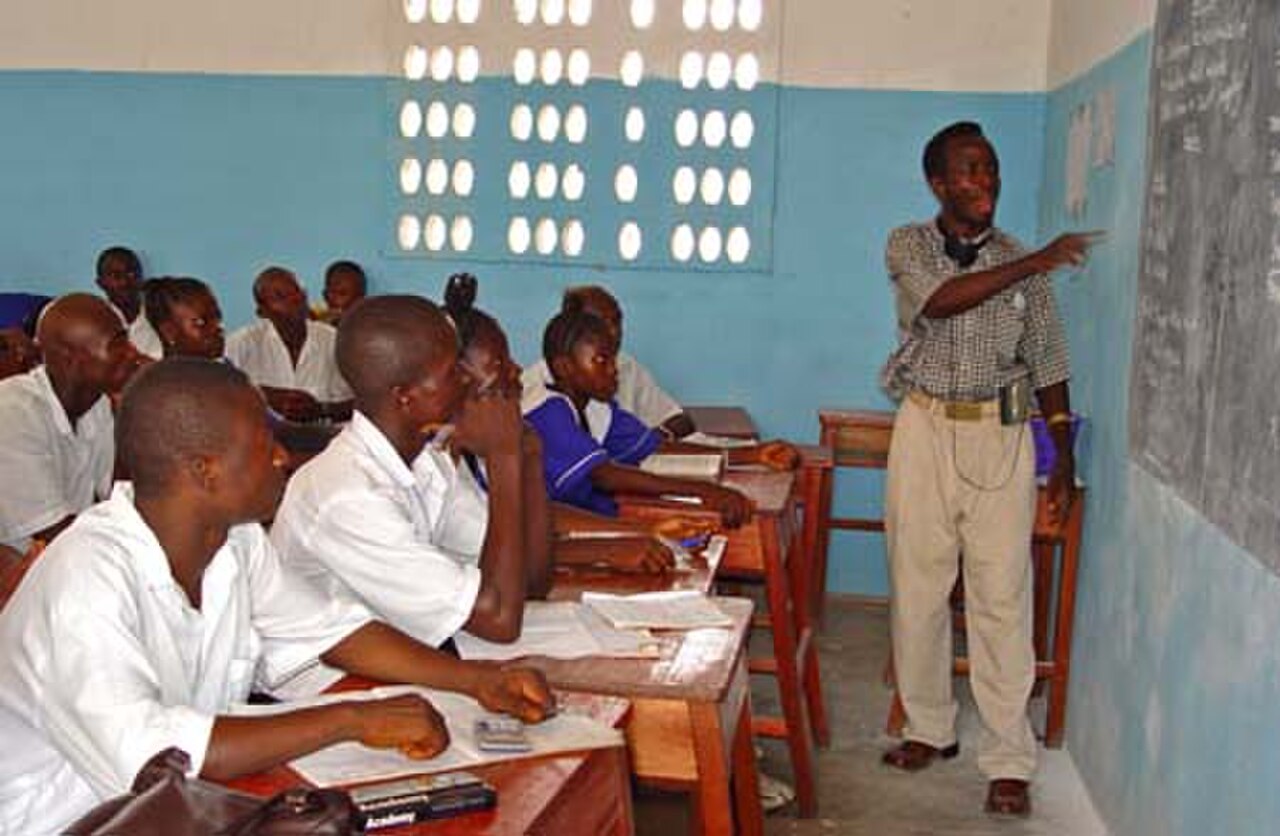
Teacher
Defining the Multifaceted Role of the Educator
The role of a teacher transcends the simple transmission of information; it encompasses the cultivation of critical thinking, problem-solving abilities, and socio-emotional intelligence. Educators operate within complex institutional frameworks, from K-12 systems to higher education and vocational training, each with distinct pedagogical demands and student populations. Their responsibilities include curriculum development, instructional design, formative and summative assessment, and classroom management.
Furthermore, teachers act as mentors, guiding students through academic challenges and personal development, fostering resilience and a growth mindset. In an era of rapid technological advancement and evolving societal needs, teachers must continuously adapt their methodologies, integrating digital literacy and diverse learning modalities to ensure equitable and effective education for all learners. The profession demands a deep understanding of child development, learning psychology, and subject-specific expertise.
Historical Trajectories
The history of teaching is a narrative of societal evolution and the increasing formalization of knowledge transfer. Early forms of education were often informal, relying on oral traditions, apprenticeships, and the tutelage of religious or philosophical figures in ancient civilizations. The establishment of academies and lyceums in classical Greece marked a shift towards structured learning environments.
During the medieval period, monastic schools and cathedral schools were primary centers of learning, preserving and disseminating knowledge. The Renaissance and Enlightenment spurred the development of universities and a broader, more secular curriculum. The Industrial Revolution necessitated a more standardized and accessible educational system to prepare a workforce for new industries, leading to the rise of public schooling and the professionalization of teaching.
Contemporary education continues this trajectory, grappling with issues of access, equity, and the integration of new technologies, reflecting ongoing societal priorities and challenges.
The Profound Significance of Educators in Society
Educators are indispensable agents of social progress, economic development, and individual empowerment. By imparting knowledge and fostering critical inquiry, teachers equip individuals with the tools to participate effectively in a democratic society and contribute to the workforce. They play a crucial role in shaping cultural values, promoting civic engagement, and fostering social cohesion.
Furthermore, teachers are instrumental in identifying and nurturing talent, enabling students to pursue their passions and achieve their full potential, which in turn drives innovation and societal advancement. In addressing complex global challenges, from climate change to public health, an educated populace, guided by skilled educators, is paramount. The long-term impact of effective teaching resonates through generations, influencing societal trajectories and individual destinies.
Contemporary Pedagogical Approaches and Technological Integration
Modern teaching is characterized by a sophisticated integration of pedagogical theory and technological tools. Educators employ a range of evidence-based instructional strategies, including differentiated instruction to meet diverse learning needs, project-based learning to foster engagement and real-world application, and flipped classroom models that leverage technology for content delivery outside of class time. The digital revolution has introduced a wealth of resources, from interactive simulations and virtual reality experiences to learning management systems (LMS) that facilitate communication, assessment, and personalized learning pathways.
Teachers must navigate the ethical considerations of technology use, digital citizenship, and data privacy while harnessing its potential to enhance learning outcomes. Continuous professional development is essential for educators to stay abreast of emerging technologies and pedagogical innovations, ensuring they remain effective facilitators of learning in the 21st century.
The Evolving Landscape
The teaching profession faces ongoing challenges, including issues of teacher retention, equitable resource distribution, and adapting to rapidly changing societal demands. The digital divide continues to be a significant barrier, impacting access to educational resources for many students. There is a growing emphasis on interdisciplinary learning and the development of 'soft skills' such as collaboration, communication, and creativity, which are increasingly valued in the modern economy. Future directions in education are likely to involve greater personalization of learning through AI-driven platforms, a continued focus on global competencies, and innovative approaches to assessment that move beyond traditional standardized tests.
The profession must also address issues of teacher well-being and professional autonomy to ensure its sustainability and effectiveness in shaping future generations.
Go deeper
Frequently Asked Questions
What does a teacher do in school?+
Why are teachers like superheroes?+
How do teachers use technology?+
Where do teachers work?+
When did teaching become a job?+
Based on content from Wikipedia · Licensed under CC BY-SA 4.0