

Brazilian Carnival: The Biggest Party Ever!
Images
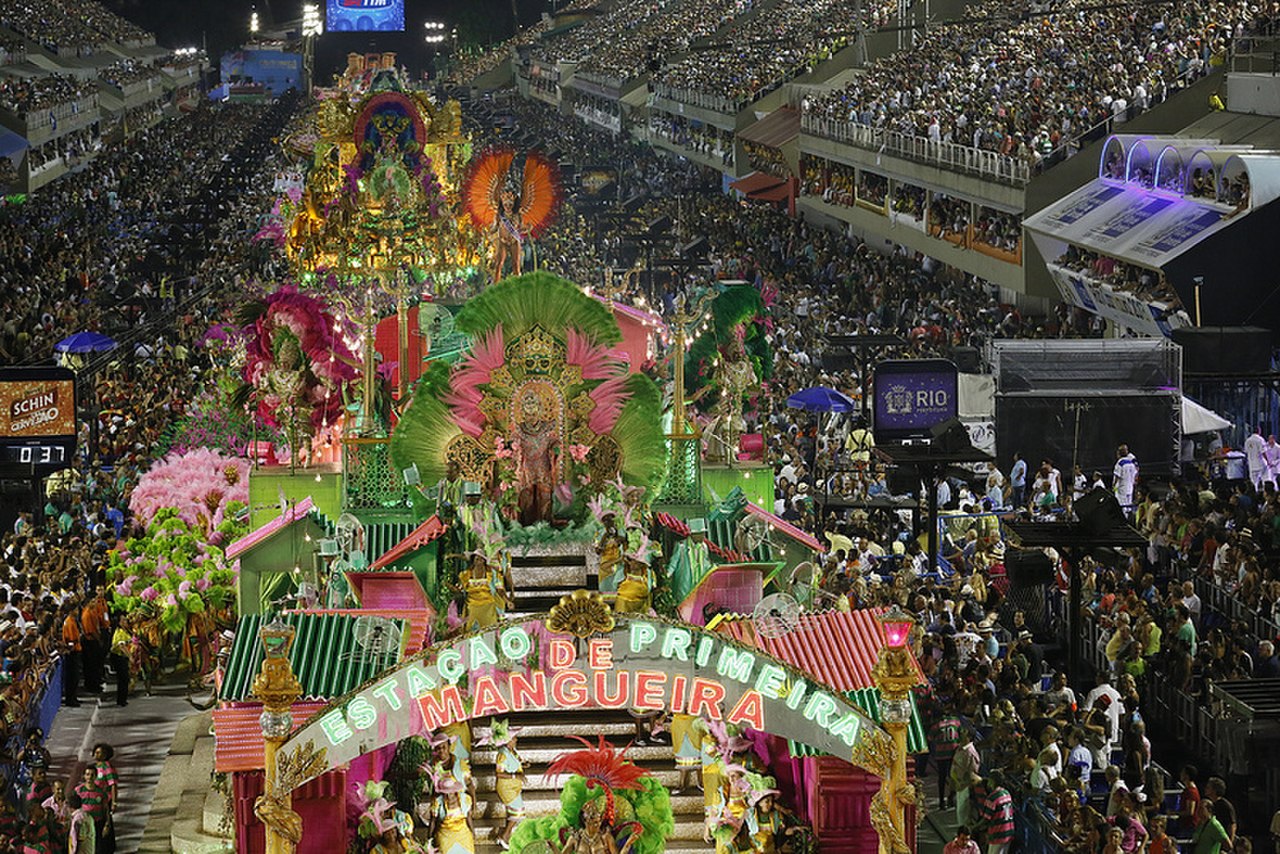
Mangueira 2013 130211


The Geographic Canvas of Celebration
Brazilian Carnival is a national spectacle, but its most iconic manifestations are deeply rooted in the urban landscapes of Brazil, a South American giant characterized by diverse geography and climates. The festivities are particularly concentrated in major metropolitan areas such as Rio de Janeiro and São Paulo, which become epicenters of revelry. Rio's Carnival, famously recognized by Guinness World Records as the largest single carnival parade, transforms the city into a vibrant stage, with its iconic Sambadrome hosting elaborate parades.
São Paulo boasts the largest street carnival by participant numbers, showcasing a more decentralized yet equally energetic celebration. The country's tropical and subtropical climate provides an ideal environment for these extensive outdoor events, fostering an atmosphere of continuous celebration that permeates the streets day and night, drawing an international audience eager to witness this unparalleled cultural phenomenon.
Historical Threads
The historical trajectory of Brazilian Carnival is a fascinating narrative of cultural diffusion and adaptation, originating from Portugal's maritime expansion during the Age of Discoveries. As Portuguese caravels plied the Atlantic, they served as conduits for cultural exchange, stopping at territories like Madeira, which already possessed a vibrant carnival tradition. These voyages not only facilitated trade but also transported people and their rich tapestry of ludic and cultural expressions to Brazil.
Over centuries, these European influences intermingled with indigenous and African traditions, particularly the rhythms and spirituality brought by enslaved Africans. This syncretism gradually shaped Carnival into a uniquely Brazilian celebration, evolving from early forms of masked balls and street processions to the grand, organized parades and street parties that define the modern festival, reflecting a complex and layered history of cultural fusion.
The Cultural Nexus
Brazilian Carnival stands as the paramount expression of the nation's cultural identity, transcending mere festivity to become a profound social and artistic phenomenon. It is the country's most cherished holiday, a period where national life largely converges around its celebrations. The core of Carnival is the samba, a musical genre and dance form that embodies the spirit of Brazil, characterized by its infectious rhythms and improvisational flair.
Participants engage in elaborate costume design, a highly competitive and artistic endeavor that showcases immense creativity, craftsmanship, and often social commentary. The sheer scale of participation, with millions of Brazilians and international visitors converging, fosters a powerful sense of collective identity and social cohesion. It provides a temporary suspension of everyday hierarchies, allowing for a shared experience of joy, artistic expression, and communal celebration that reinforces national bonds.
Economic Engine
Beyond its cultural significance, Brazilian Carnival functions as a formidable economic driver, particularly through tourism. The festival attracts millions of domestic and international visitors, generating substantial revenue for the hospitality, transportation, and retail sectors. Cities like Rio de Janeiro and São Paulo experience a significant economic boost, with hotels operating at full capacity and businesses catering to the influx of tourists.
Furthermore, Carnival fuels a dedicated industry encompassing costume production, float construction, sound and lighting services, and the organization of parades and events. This creates employment opportunities and stimulates economic activity in specialized sectors. While industrial production and retail may temporarily scale back, the overall economic impact of Carnival, driven by its global appeal and massive attendance, is a critical component of Brazil's annual economic cycle, showcasing the potent synergy between cultural heritage and economic prosperity.
The Political Pulse
While not a formal political event, Brazilian Carnival often serves as an unofficial platform for social commentary and a reflection of the nation's political climate. The elaborate parades, particularly those in Rio de Janeiro's Sambadrome, frequently incorporate themes that address contemporary social and political issues. Samba schools, which are the organizing bodies for the parades, often use their performances to critique government policies, highlight social injustices, or celebrate national heroes and historical events.
This artistic expression can influence public discourse and raise awareness about various societal concerns. The sheer scale of the event also necessitates significant logistical coordination and public safety measures, involving various levels of government and municipal services. The organization and management of such a massive festival demonstrate the administrative capacity and challenges faced by Brazilian authorities, making Carnival a complex interplay of culture, society, and governance.
See also
Frequently Asked Questions
What is Brazilian Carnival?+
Why is Rio's Carnival famous?+
Where is the samba dance performed during Carnival?+
How did Carnival start in Brazil?+
Why do so many people visit Carnival?+
Based on content from Wikipedia · Licensed under CC BY-SA 4.0