

Braveheart
Images

Braveheart


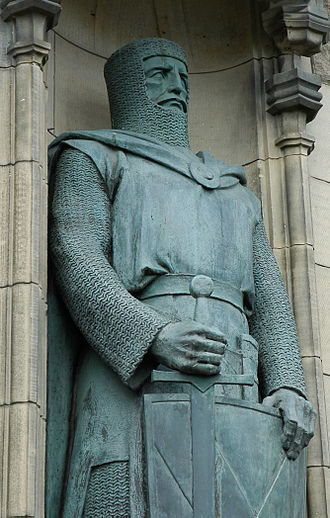


Genesis of an Epic
The genesis of 'Braveheart' lies in the rich tapestry of Scottish folklore and historical narrative, primarily inspired by Blind Harry's 15th-century epic poem, 'The Actes and Deidis of the Illustre and Vallyeant Campioun Schir William Wallace.' This poem, while a significant cultural artifact, is known for its embellishments and romanticized portrayal of its subject. The film's journey to the screen began with producer Alan Ladd Jr., who acquired the rights. The project eventually found its champion in Mel Gibson, who not only agreed to star as the iconic Sir William Wallace but also took on the monumental task of directing. Gibson's involvement was pivotal, transforming the project from a potential historical drama into a grand, sweeping epic.
The adaptation by Randall Wallace aimed to capture the spirit of Wallace's rebellion, even as it navigated the challenges of translating a centuries-old legend into a modern cinematic spectacle. The production itself was a massive undertaking, involving extensive research into period warfare, costume design, and set construction to create an immersive world.
Thematic Resonance
'Braveheart' delves into profound themes that resonate deeply with audiences, chief among them being the unyielding pursuit of freedom. The film vividly portrays the struggle of the Scottish people against the oppressive rule of King Edward I of England, framing William Wallace as a charismatic leader who ignites a nationalistic fervor. The narrative emphasizes sacrifice, with Wallace and his compatriots willing to lay down their lives for the liberation of their homeland.
This theme is powerfully conveyed through harrowing battle sequences and moments of personal loss. Furthermore, the film explores the construction of national identity, depicting how shared struggle and a common enemy can forge a sense of unity and purpose among disparate groups. While the historical accuracy has been debated, the film's emotional core lies in its compelling depiction of a people fighting for self-determination, a narrative that transcends specific historical events to touch upon universal human desires for liberty and dignity.
Cinematic Craftsmanship
Mel Gibson's direction in 'Braveheart' is characterized by its ambitious scale and visceral intensity. He masterfully orchestrates large-scale battle sequences that are both brutal and breathtaking, immersing the viewer in the chaos and ferocity of medieval warfare. The cinematography by John Toll plays a crucial role in establishing the film's epic scope, capturing the rugged beauty of the Irish landscapes that stand in for the Scottish Highlands.
Sweeping vistas and intimate close-ups are employed to create a dynamic visual experience. The film's powerful musical score, composed by the late James Horner, is another critical element that elevates the emotional impact. Horner's score is both stirring and melancholic, perfectly complementing the film's themes of heroism, tragedy, and the enduring spirit of Scotland.
The use of authentic-sounding period music, combined with soaring orchestral arrangements, creates an unforgettable auditory landscape that has become synonymous with the film's epic quality.
Historical Discrepancies and Enduring Legacy
Despite its critical acclaim and commercial success, 'Braveheart' has faced significant criticism for its historical inaccuracies. Many historians have pointed out deviations from the actual events and characters, including Wallace's attire (kilts were not in use during his time), his relationship with Princess Isabella of France, and the timeline of events. The film takes considerable creative license, prioritizing dramatic impact over strict historical fidelity.
However, it is crucial to understand 'Braveheart' not as a documentary, but as a historical drama that uses a historical figure as a springboard for a compelling narrative about freedom and resistance. Its enduring legacy lies in its ability to capture the imagination and inspire audiences with its powerful portrayal of a hero fighting against overwhelming odds. The film's cultural impact is undeniable, sparking renewed interest in Scottish history and solidifying William Wallace's image as a national icon, even if that image is largely a cinematic creation.
Its Best Picture win at the Academy Awards cemented its place in film history.
Go deeper
Frequently Asked Questions
Who is the hero in Braveheart?+
Why did Mel Gibson want to make Braveheart?+
What is the movie about?+
Where was the movie filmed?+
What kind of music is in the movie?+
Based on content from Wikipedia · Licensed under CC BY-SA 4.0