

Boarding School Adventures!
Images
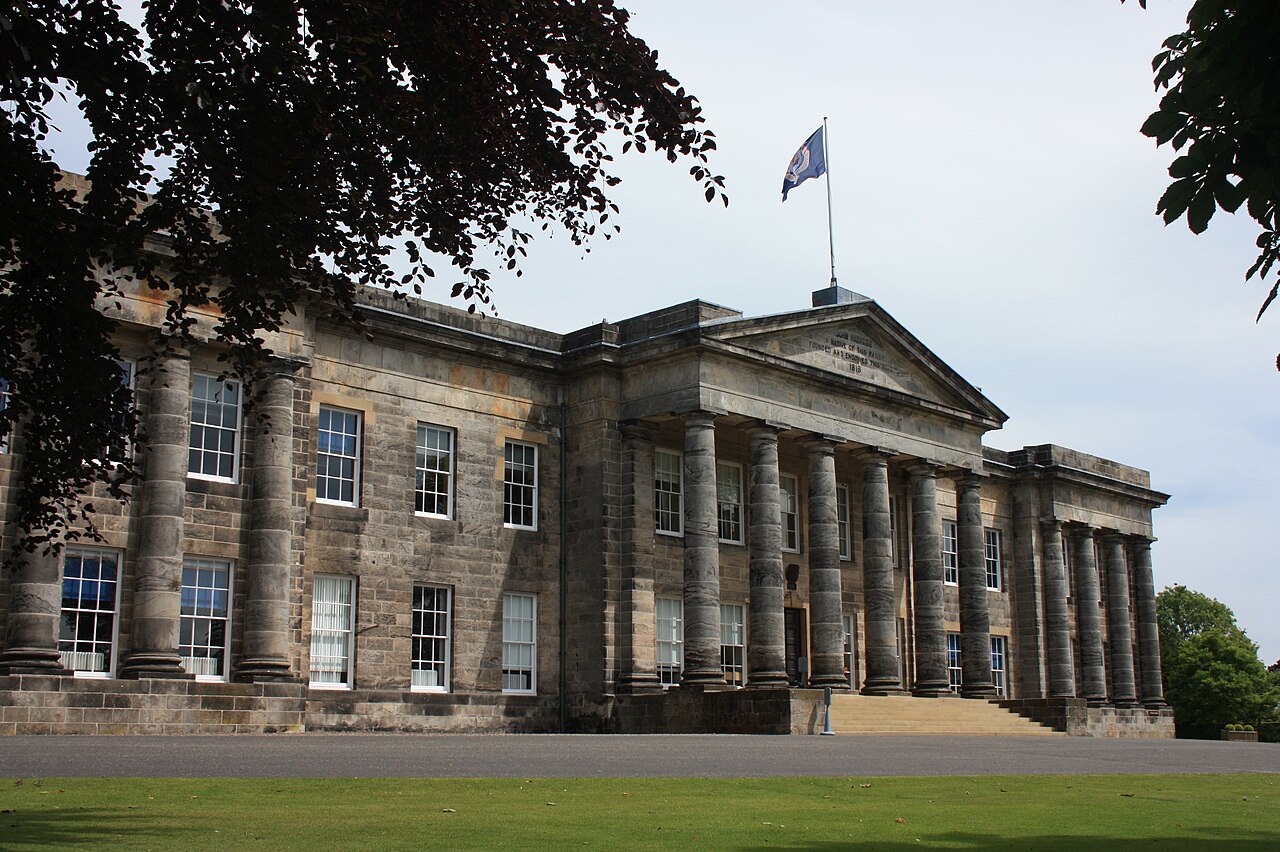
Boarding school
The Boarding School Ecosystem
Boarding schools represent a distinct educational model characterized by residential living integrated with academic instruction. This creates a unique ecosystem where students are immersed in a learning environment 24/7. The core philosophy often emphasizes developing well-rounded individuals by providing structured opportunities for academic, social, and personal growth.
Students learn to manage their time effectively, navigate complex social dynamics within a close-knit community, and develop a strong sense of personal responsibility. The constant presence of faculty and staff, who often live on campus and act as mentors, advisors, and supervisors, provides a supportive framework for this development. This immersive approach aims to prepare students not just for higher education but for the challenges and opportunities of adult life, fostering resilience and adaptability.
Historical Trajectories
The historical lineage of boarding schools is extensive, with precedents found in ancient educational centers like Plato's Academy in Athens and monastic schools in medieval Europe, which served as centers of learning and communal living. In the modern era, boarding schools gained prominence in the 18th and 19th centuries, particularly in Europe and North America, often serving the elite, military families, or children in colonial contexts.
They evolved to meet changing educational philosophies, from classical humanism to more specialized academic and vocational training. The late 20th and 21st centuries have seen a diversification of boarding schools, with many embracing global perspectives, technological integration, and a broader range of student demographics, reflecting shifts in societal values and educational accessibility.
The Significance of Immersion
The significance of boarding schools extends beyond academic achievement to the cultivation of crucial life skills and character development. By living away from home, students are compelled to develop a high degree of self-reliance, time management, and problem-solving abilities. The structured environment, coupled with the necessity of communal living, fosters interpersonal skills, conflict resolution, and an understanding of diverse perspectives.
Many boarding schools actively promote global citizenship through international student bodies, exchange programs, and curricula that emphasize cross-cultural understanding. This holistic approach prepares students to be adaptable, empathetic, and engaged members of an increasingly interconnected world, equipping them with a unique set of competencies valued in higher education and professional careers.
A Day in the Life
The daily schedule at a boarding school is meticulously designed to balance academic demands with opportunities for personal development and community engagement. Mornings typically commence with a communal breakfast, followed by a rigorous academic program featuring classes, labs, and study periods. Afternoons are dedicated to a vibrant array of extracurricular activities, including competitive sports, artistic endeavors, debate, and community service initiatives, often led by faculty members.
Supervised study halls ensure academic accountability, while evenings offer a blend of social time, personal reflection, and preparation for the next day. This structured yet flexible routine encourages students to take ownership of their learning and personal growth, fostering a sense of purpose and belonging within the school community.
Contemporary Boarding Schools
Today's boarding schools present a diverse landscape, ranging from historic institutions with long-standing traditions to contemporary schools embracing innovative pedagogical approaches and cutting-edge technology. They are found globally, catering to a wide spectrum of students, including those seeking specialized academic programs (e.g., STEM, arts), athletic development, or a multicultural educational experience. Many boarding schools are at the forefront of educational innovation, integrating digital learning tools, promoting interdisciplinary studies, and focusing on social-emotional learning.
The global reach of boarding education is significant, with institutions attracting international students and fostering a cosmopolitan outlook, preparing graduates for success in a diverse and rapidly changing world.
Go deeper
Frequently Asked Questions
What is a boarding school?+
Why do students live at boarding school?+
How do teachers help students at boarding school?+
What kinds of activities can students do at boarding school?+
When did boarding schools become popular?+
Based on content from Wikipedia · Licensed under CC BY-SA 4.0