

Billy Wilder: The Movie Maker Extraordinaire!
Images
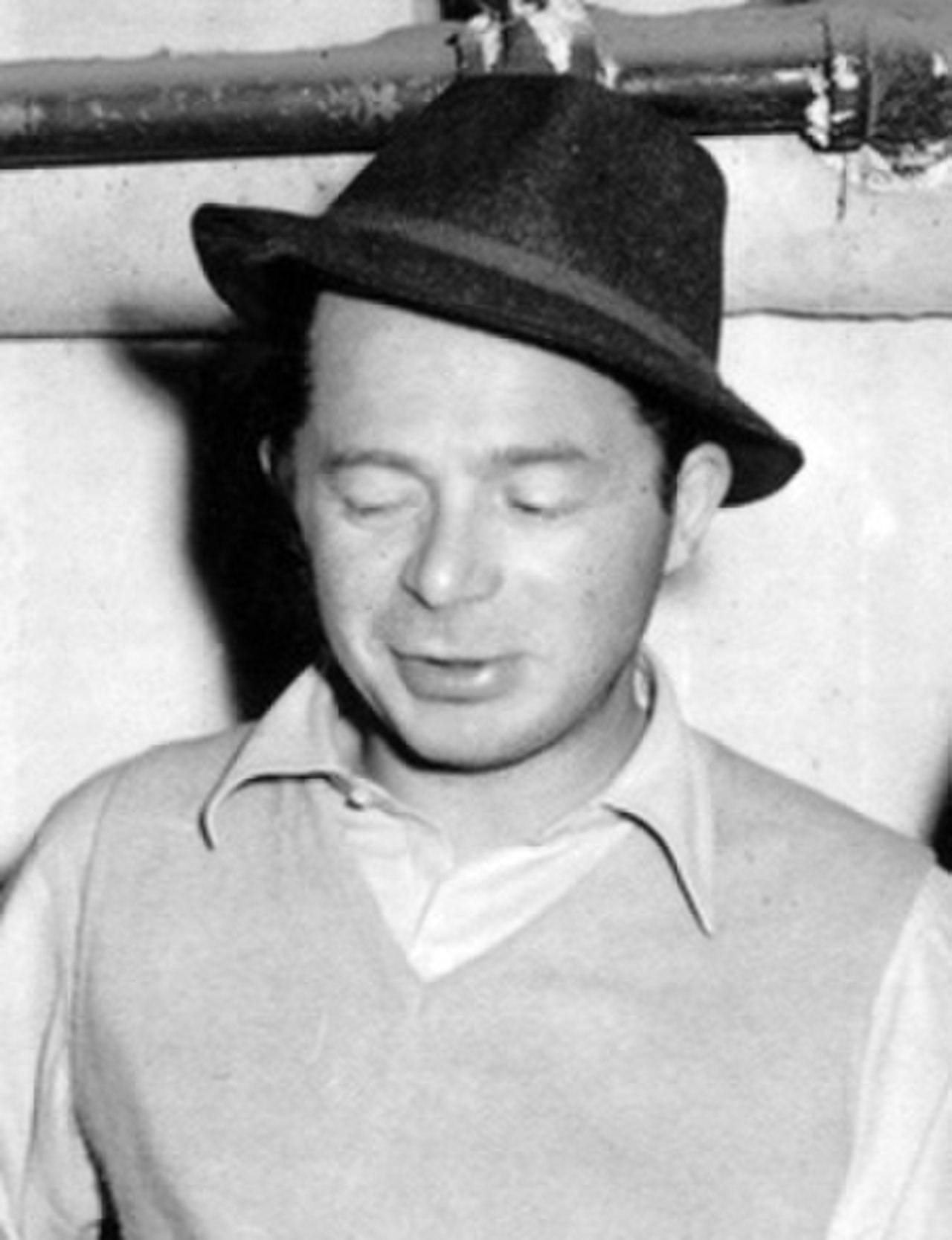
Billy Wilder
From Viennese Journalism to Hollywood's Golden Age
Born Samuel Wilder in Suchá Lhota, Austria-Hungary, on June 22, 1906, Billy Wilder's early life was steeped in intellectual and cultural ferment. His initial foray into the professional world was as a journalist in Vienna, where he developed a keen observational talent and a sharp, often cynical, wit. This period also saw him engage with the burgeoning field of psychology, which would later subtly inform his character studies.
Facing rising anti-Semitism and political instability in Europe, Wilder emigrated to the United States in 1934. He initially struggled, working as a translator and contributing to screenplays, but his unique voice soon became apparent. His collaboration with Charles Brackett and later I.A.L. Diamond proved exceptionally fruitful, leading to a string of critically acclaimed films that defined Hollywood's Golden Age and beyond.
The Art of the Double-Edged Narrative
Wilder's genius lay in his unparalleled ability to weave profound social commentary into ostensibly lighthearted narratives, particularly comedies. Films like 'Some Like It Hot' (1959), a daring farce about gender-bending and mobsters, or 'The Apartment' (1960), a poignant look at corporate ambition and loneliness, masterfully blend humor with pathos. He possessed an uncanny knack for dissecting the complexities of human relationships, societal hypocrisy, and the often-unseen struggles of ordinary people.
His screenplays, co-authored with his trusted collaborators, are celebrated for their razor-sharp dialogue, intricate plotting, and sophisticated subversion of genre conventions. Wilder wasn't afraid to push moral boundaries, exploring themes of infidelity, greed, and existential despair with a frankness that was often shocking yet always deeply human.
A Legacy of Cinematic Innovation and Enduring Relevance
Billy Wilder's influence on cinema is immeasurable. He is revered as an auteur, a director whose personal vision and stylistic consistency are evident across his diverse filmography. His work continues to be studied for its exemplary screenwriting, innovative narrative structures, and masterful direction.
Wilder's films challenged audience expectations and often explored the darker undercurrents of American society, from the disillusionment of post-war life in 'The Lost Weekend' (1945) to the corrupting influence of fame in 'Sunset Boulevard' (1950). His ability to balance commercial appeal with artistic integrity has inspired generations of filmmakers. The enduring popularity and critical re-evaluation of his films underscore their timeless relevance and profound insights into the human condition.
The Pantheon of Awards
Billy Wilder's prolific career was punctuated by an extraordinary array of accolades, solidifying his place among cinema's most decorated figures. He garnered 21 Academy Award nominations, securing six wins, including two for Best Director ('The Apartment,' 'Stalag 17') and multiple wins for Best Screenplay and Best Picture. His ability to excel across different categories highlights his comprehensive mastery of filmmaking.
Beyond the Oscars, Wilder received numerous Golden Globe Awards, BAFTA Awards, and Writers Guild of America Awards, underscoring the widespread critical and industry recognition of his contributions. This impressive collection of honors serves as a powerful testament to the enduring quality, artistic merit, and profound impact of his cinematic legacy.
See also
Frequently Asked Questions
Who was Billy Wilder and what kind of movies did he make?+
When and where was Billy Wilder born?+
Why did Billy Wilder move to the United States?+
What are some famous movies by Billy Wilder?+
How many Oscars did Billy Wilder win and for what?+
Based on content from Wikipedia · Licensed under CC BY-SA 4.0