

Biarritz
Images
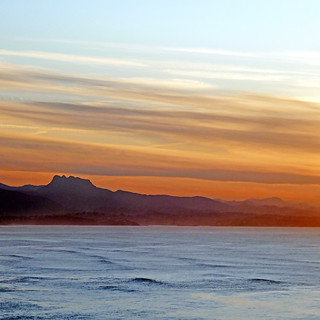
Biarritz, Pyrénées-Atlantiques, France


![Dedico esta foto a mis amigos del Grupo Camionetas, Autos & Buses. Eldorado BIARRITZ 1959 Cadillac [general motors] Pink Cadillac 5MAD135 en Madrid](https://live.staticflickr.com/3053/2678870039_f31f953004_n.jpg)


Geographical Setting and Environmental Context
Biarritz is strategically situated on the Atlantic coast of southwestern France, within the Pyrénées-Atlantiques department, forming a key part of the French Basque Country. Its location on the Bay of Biscay positions it as a significant coastal hub, approximately 35 kilometers from the Spanish border. This proximity influences its cultural landscape and economic ties.
The city enjoys a temperate oceanic climate, characterized by mild winters and pleasant summers, conducive to its status as a year-round tourist destination. The natural topography features a dramatic coastline with sandy beaches and rocky outcrops, providing both aesthetic appeal and the ideal conditions for its world-renowned surfing scene. The surrounding region is known for its lush greenery, a testament to the ample rainfall and moderate temperatures.
Historical Trajectory
The historical evolution of Biarritz is a remarkable narrative of transformation. Initially a modest fishing village, its fortunes changed dramatically in the mid-19th century. The pivotal moment arrived with Empress Eugénie, the wife of Napoleon III, who discovered its charms and commissioned the construction of the Hôtel du Palais around 1855.
This imperial endorsement catapulted Biarritz into the international spotlight, attracting European royalty, aristocracy, and the wealthy elite. The city rapidly developed into a fashionable seaside resort, characterized by opulent hotels, grand villas, and elegant leisure facilities, including its iconic seafront casinos. This era cemented Biarritz's reputation for luxury and exclusivity, a legacy that continues to influence its modern identity and attract a discerning clientele.
Cultural Tapestry
Biarritz embodies a rich cultural fusion, deeply rooted in the traditions of the Basque Country while embracing global influences. The Basque language, Euskara, is still spoken alongside French, reflecting the region's unique linguistic heritage. This cultural identity is evident in local festivals, gastronomy, and traditional sports.
However, Biarritz is perhaps most globally recognized for its pioneering role in European surfing culture. Since the mid-20th century, its powerful Atlantic swells have drawn surfers, establishing it as a premier destination for the sport. This surfing legacy has fostered a vibrant, youthful, and active subculture that coexists with the city's more traditional, elegant ambiance.
The presence of luxurious hotels and casinos further adds to its cosmopolitan character, attracting a diverse range of visitors.
Economic Drivers
The economy of Biarritz is predominantly driven by tourism and the leisure industry, capitalizing on its stunning coastline, historical significance, and reputation for luxury. The hospitality sector, encompassing hotels, restaurants, and related services, is a major employer. Its status as a world-class surfing destination also fuels a significant portion of its economic activity, supporting surf schools, equipment rentals, and related businesses.
Furthermore, the city's elegant casinos and high-end retail establishments cater to a affluent clientele, contributing to its economic vitality. While tourism is the primary focus, Biarritz also benefits from its role as a regional center, with some economic activity in sectors supporting local commerce and services.
Governance and Civic Structure
Biarritz operates within the French republican system of governance. As a commune, it is administered by a mayor and a municipal council, elected by the residents. The mayor serves as the chief executive, responsible for overseeing the city's administration, public services, and urban planning.
The municipal council debates and votes on local policies and budgets. Biarritz falls under the jurisdiction of the Pyrénées-Atlantiques department and the Nouvelle-Aquitaine region, meaning it is also subject to regional and departmental administrative structures. These levels of government handle broader issues such as infrastructure, economic development, and social services that extend beyond the city's immediate boundaries.
See also
Frequently Asked Questions
What is Biarritz known for?+
Why did Biarritz become a popular tourist spot?+
How does Biarritz help surfers?+
Where is Biarritz located?+
Are there two languages spoken in Biarritz?+
Based on content from Wikipedia · Licensed under CC BY-SA 4.0