

Berlin Hauptbahnhof: The Giant Train Hub!
Images
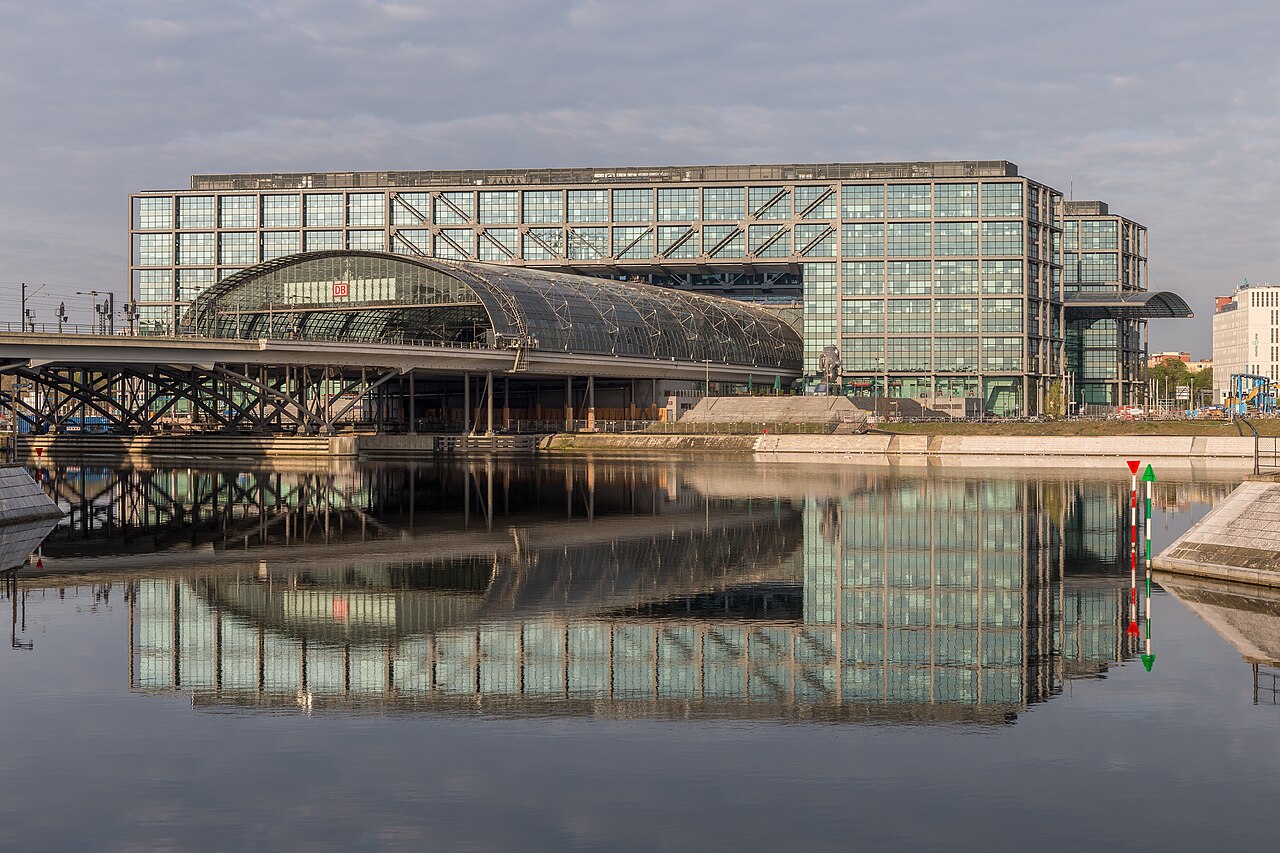
Berlin Hauptbahnhof Ostseite HDR


The Strategic Imperative of a Central Hub
Berlin Hauptbahnhof is far more than a mere transit point; it represents the strategic re-imagining of Berlin's railway infrastructure following German reunification. Its establishment was a deliberate effort to create a truly central station that could efficiently integrate the existing east-west Stadtbahn with a new north-south main line. This integration was crucial for optimizing travel times and improving connectivity across the city and the nation.
The station's design prioritizes passenger flow and operational efficiency, a complex feat given its multiple levels and the sheer volume of daily traffic. As a Category 1 station, it signifies its paramount importance within the German rail network, serving as a critical node for long-distance, regional, and S-Bahn services, thereby underpinning Berlin's role as a major European capital.
Layers of Time
The site of Berlin Hauptbahnhof is steeped in railway history, a narrative that spans over a century. The original Lehrter Bahnhof, inaugurated in 1871, was a terminus for a vital line connecting Berlin to Lehrte, which later evolved into a key segment of Germany's primary east-west railway corridor. Its significance waned after World War II, leading to its closure and eventual demolition in 1957.
However, the adjacent Lehrter Stadtbahnhof, a smaller interchange station built in 1882 as part of the elevated Stadtbahn, persisted. It served as a stop on the S-Bahn and underwent significant renovation in 1987. The decision to build the new central station on this very location was a logical choice, allowing for the seamless incorporation of historical railway alignments with modern transit requirements, creating a palpable sense of continuity and progress.
Architectural and Engineering Prowess
Opened in its entirety in 2006, Berlin Hauptbahnhof is a triumph of contemporary architectural and engineering design. Its multi-level structure, featuring a striking glass roof, is not only aesthetically impressive but also functionally designed to manage the complex interplay of different rail lines and passenger movements. The station's construction involved overcoming significant engineering challenges, including integrating it with the existing Stadtbahn and creating new subterranean tunnels for the north-south line.
Owned by DB InfraGO, a subsidiary of Deutsche Bahn AG, the station exemplifies the company's commitment to modernizing Germany's rail infrastructure. Its 24/7 operation underscores its role as a vital artery of the city, ensuring constant connectivity and accessibility.
The Station as an Urban Ecosystem
Beyond its primary function as a transportation hub, Berlin Hauptbahnhof functions as a dynamic urban ecosystem. It is a place of constant human movement, a melting pot of travelers from diverse backgrounds, and a microcosm of city life. The station's commercial spaces, including retail outlets and dining establishments, contribute to its vibrancy and offer amenities that extend its utility beyond mere transit.
Its continuous operation ensures that Berlin remains accessible and connected at all hours, supporting the city's role as a global hub for business, culture, and tourism. The station is a testament to how modern infrastructure can serve as a catalyst for urban development and social interaction.
Socio-Economic and Educational Ramifications
The existence and operation of Berlin Hauptbahnhof have profound socio-economic and educational implications. Economically, it is a significant driver, facilitating business travel, commerce, and tourism, thereby contributing to Berlin's economic vitality. It creates numerous employment opportunities, not only within the railway operations but also in the ancillary services that thrive around such a major hub.
Educationally, the station serves as a living laboratory for understanding urban planning, civil engineering, and the complexities of public transportation systems. It provides tangible examples of how infrastructure development impacts society, influencing urban design, accessibility, and the daily lives of millions. The station's role in connecting people also fosters cultural exchange and broadens perspectives, contributing to a more interconnected and informed populace.
Go deeper
Based on content from Wikipedia · Licensed under CC BY-SA 4.0