

Australian Aboriginal Mythology: Stories from the Dreamtime
Images
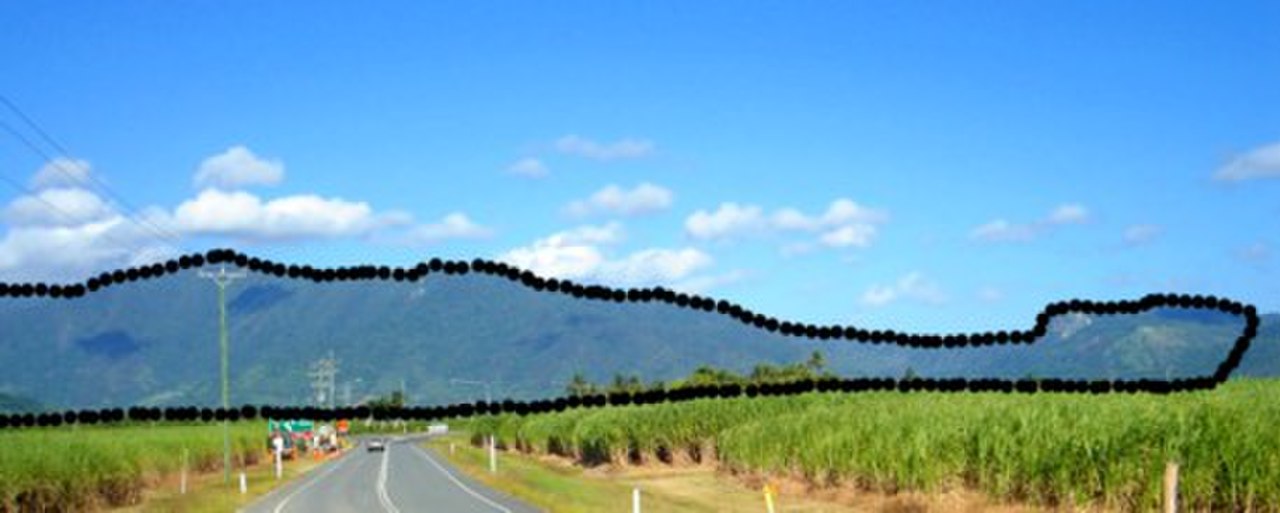
Damarri001


The Genesis of a Continent
Australian Aboriginal mythology represents one of the world's oldest continuous cultural and spiritual traditions, stretching back over 60,000 years. Its foundation is the Dreamtime (or The Dreaming), a complex concept encompassing the time of creation, the ancestral beings who shaped the world, and the ongoing spiritual presence of these beings in the land and its people. This is not merely a historical epoch but a perpetual, ever-present reality that informs every aspect of life.
The ancestral beings, often zoomorphic or anthropomorphic, emerged from a formless void, singing and dancing the world into existence. Their journeys across the land created its physical features – mountains, rivers, rock formations – and established the fundamental laws of nature and society. These narratives are intrinsically linked to specific geographical locations, forming sacred landscapes that are repositories of ancestral power and knowledge.
Law, Kinship, and the Social Fabric
Beyond creation narratives, Aboriginal mythology serves as the bedrock of Aboriginal law (often referred to as 'Lore'). The actions and interactions of ancestral beings during the Dreamtime established the intricate systems of kinship, social obligations, and ceremonial practices that govern Aboriginal societies. These laws dictate relationships between individuals, groups, and the land, ensuring social cohesion and ecological balance.
For instance, stories often explain the origins of totems, which link specific groups to particular animals, plants, or natural phenomena, reinforcing their custodial responsibilities. The transmission of this Lore is a sacred duty, primarily undertaken by Elders who interpret and impart the knowledge through complex rituals, songs, dances, and visual arts, ensuring the continuity of cultural identity and social order across generations.
The Rainbow Serpent and Other Archetypal Figures
Central to many Aboriginal cosmologies is the Rainbow Serpent, a powerful, often dualistic, ancestral being associated with creation, fertility, water, and the cycle of life and death. Its manifestations vary across different language groups, but its role as a primordial force is widely recognized. Other significant figures include trickster spirits, such as the Jawoyn's Bunjil or the Yolngu's Djanggawul, who embody both creative and destructive potential, driving narratives and imparting lessons through their often-unpredictable actions.
These archetypal figures are not static characters but dynamic forces whose stories provide frameworks for understanding human behavior, natural phenomena, and the spiritual dimensions of existence. Their narratives are deeply embedded in the land, often tied to specific sacred sites that are visited and maintained.
Artistic Expression and Cultural Resilience
The perpetuation of Aboriginal mythology is inextricably linked to its rich artistic traditions. Rock art, bark paintings, body painting, sand drawings, song cycles, and ceremonial dances are not merely aesthetic expressions but vital mnemonic devices and conduits for spiritual knowledge. These art forms encode complex information about Dreamtime events, ancestral beings, law, and geography, serving as sacred texts and maps.
For example, 'songlines' are narrative paths across the land, sung and performed to commemorate ancestral journeys and maintain connection to country. Despite the profound impacts of colonization, Aboriginal mythology has demonstrated remarkable resilience, continuing to inform identity, spirituality, and cultural practices, and increasingly finding recognition and relevance in contemporary Australian society.
See also
Frequently Asked Questions
What is the Dreamtime in Australian Aboriginal mythology?+
Who are the ancestral beings in the Dreamtime stories?+
Why do Aboriginal people have laws called 'Lore'?+
What is the Rainbow Serpent and what does it do?+
How do Aboriginal people keep their stories alive?+
Based on content from Wikipedia · Licensed under CC BY-SA 4.0