

ATACMS: Super Speedy Missiles!
Images
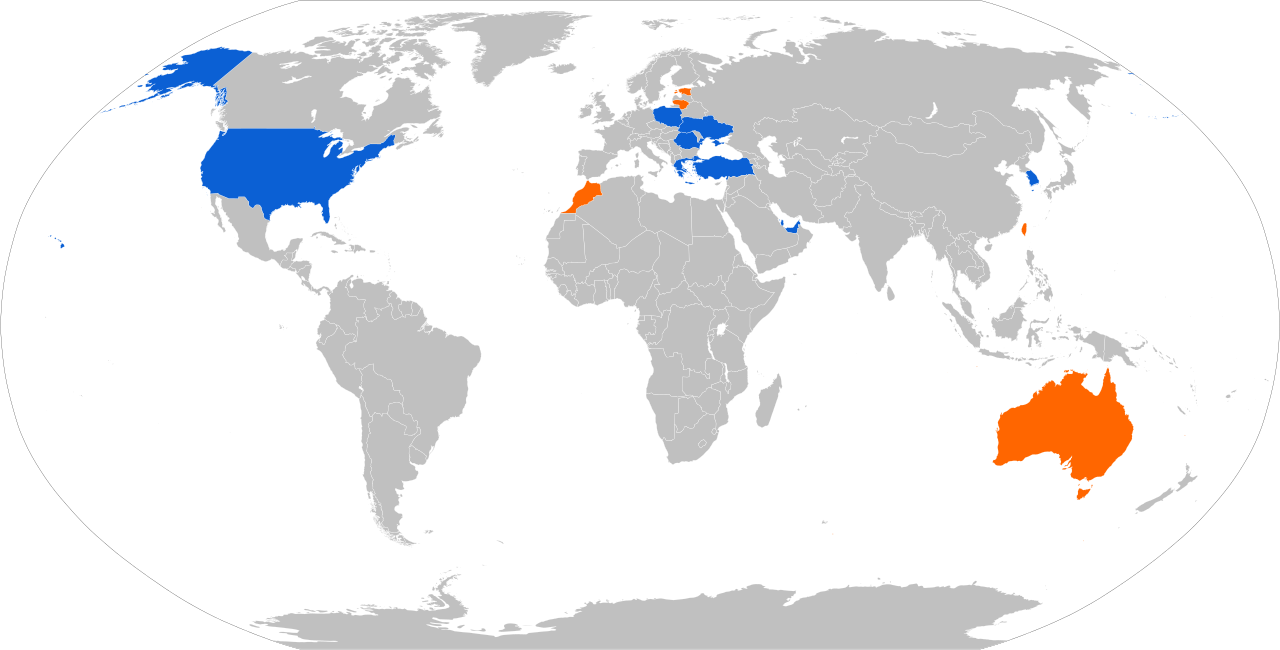
MGM-140 Operators


The ATACMS
The MGM-140 Army Tactical Missile System (ATACMS) represents a critical advancement in modern military capabilities, effectively bridging the operational gap between conventional artillery and intercontinental ballistic missiles. Developed initially by Ling-Temco-Vought and later refined by Lockheed Martin, ATACMS is a solid-propellant, supersonic tactical ballistic missile. Its physical dimensions-approximately 13 feet in length and 24 inches in diameter-allow it to be integrated into existing launch platforms like the M270 MLRS and the M142 HIMARS.
This integration is key, as it leverages established logistical and operational frameworks. The missile's design prioritizes both range and accuracy, enabling commanders to project power deep into enemy territory, neutralizing high-value targets or disrupting enemy concentrations with precision. Its supersonic velocity ensures a rapid engagement, minimizing the enemy's reaction time and increasing the probability of mission success.
The ATACMS is not merely a weapon; it is a strategic tool that enhances battlefield flexibility and deterrence.
Genesis of the ATACMS
The development of the ATACMS was driven by the evolving nature of warfare and the increasing need for standoff precision strike capabilities. As battlefields became more complex and potential adversaries developed more sophisticated defenses, the requirement for weapons that could engage targets from a safe distance became paramount. Early iterations focused on extending the range of existing rocket artillery systems.
Ling-Temco-Vought's initial work laid the foundation, and subsequent development under Lockheed Martin saw the ATACMS mature into its current formidable form. The missile's design was a response to the tactical imperative of striking targets that were previously out of reach for ground-based artillery, such as command centers, air defense sites, or troop assembly areas. This capability significantly altered operational planning, allowing for more proactive and decisive engagement strategies.
The ATACMS embodies a strategic foresight in military technology development.
Technological Prowess
The performance of the ATACMS is a result of sophisticated engineering. Its solid propellant motor provides a powerful and consistent thrust, enabling it to achieve its impressive range, with some variants reaching up to 190 miles. This solid fuel is advantageous for storage and handling compared to liquid propellants.
The missile's guidance system, while not detailed in the provided text, is understood to provide the accuracy needed for tactical engagements. A particularly clever design element is the launch container, or pod. This container is deliberately marked with a pattern of six circles, mimicking the appearance of standard MLRS rocket pods.
This is a deliberate deception tactic, designed to obscure the specific type of missile being loaded and fired, thereby preventing the enemy from anticipating the threat's range or capabilities. This element of operational security is as crucial as the missile's physical performance.
Strategic Implications
The ATACMS holds significant strategic importance in contemporary military doctrine. Its ability to deliver a precise payload over long distances provides commanders with a critical tool for shaping the battlefield. It allows for the rapid degradation of enemy capabilities, the interdiction of logistical lines, and the neutralization of critical infrastructure, all from a protected standoff distance.
This capability is vital for maintaining information dominance and operational tempo. Furthermore, the ATACMS serves as a powerful deterrent, signaling a nation's capacity to project force effectively. Its deployment can influence an adversary's decision-making calculus, potentially averting conflict or shaping its outcome.
The missile's versatility, coupled with its range and speed, makes it an indispensable component of modern tactical and operational planning, underscoring its enduring relevance in defense.
Related Systems and Future Trajectories
The ATACMS does not exist in isolation but is part of a broader family of guided missile systems. Its launch platforms, the M270 MLRS and M142 HIMARS, are themselves highly versatile systems capable of firing various munitions. The development of ATACMS has informed and influenced subsequent missile programs, pushing the boundaries of range, accuracy, and payload delivery.
As military technology continues to advance, future iterations or replacements for the ATACMS will likely incorporate even more sophisticated guidance systems, potentially including network-centric warfare capabilities and enhanced warheads. The ongoing evolution of such systems reflects a continuous effort to maintain a decisive technological edge and adapt to the ever-changing global security landscape. The legacy of ATACMS is one of innovation and strategic impact.
See also
Frequently Asked Questions
What is an ATACMS missile?+
How far can an ATACMS travel?+
Why do soldiers use ATACMS instead of regular artillery?+
How does the ATACMS hide its type from enemies?+
Who made the ATACMS?+
Based on content from Wikipedia · Licensed under CC BY-SA 4.0