

Astor Piazzolla: The Tango Transformer!
Images
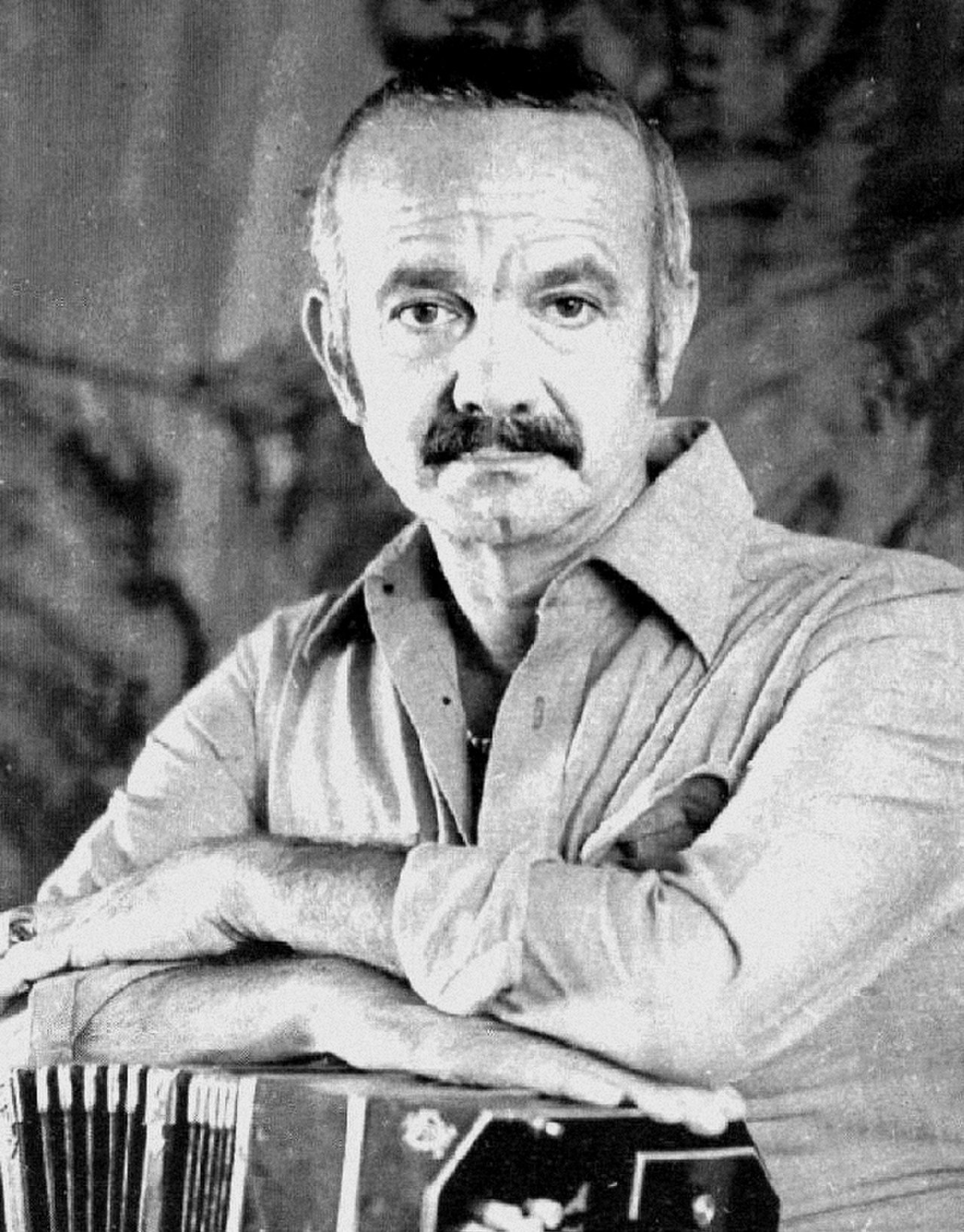
Astor Piazzolla
From Buenos Aires to Global Stages
Astor Piazzolla, born on March 11, 1921, in the vibrant city of Mar del Plata, Argentina, emerged as one of the 20th century's most influential composers. His early life was steeped in the traditional tango milieu of Buenos Aires, yet he possessed an insatiable curiosity that extended far beyond its established boundaries. Piazzolla's formative years were marked by exposure to diverse musical landscapes, including the burgeoning jazz scene in New York and the rigorous discipline of classical composition.
A pivotal moment in his development was his tutelage under the legendary Nadia Boulanger in Paris. Under her guidance, Piazzolla honed his compositional techniques, learning to integrate his passionate Argentine roots with the sophisticated harmonic language and structural innovations of European classical music. This period was crucial in shaping his vision for a new direction in tango, one that would elevate it from a dance hall staple to a respected form of concert music.
The 'Piazzolla Sound'
Piazzolla's revolutionary concept, 'Nuevo Tango,' was not merely a stylistic shift but a philosophical redefinition of tango itself. He deliberately sought to detach tango from its purely functional role as dance music, aiming instead to create works of profound artistic merit suitable for attentive listening. This involved a radical expansion of tango's harmonic palette, incorporating dissonances, complex chord progressions, and chromaticism often found in jazz and contemporary classical music.
His orchestration was equally innovative, frequently featuring the bandoneon-the quintessential tango instrument-in dialogue with violins, pianos, electric guitars, and even percussion, creating a rich and dynamic sonic tapestry. The initial reception was often polarized; traditionalists decried his innovations as a betrayal of tango's authentic spirit, while forward-thinking musicians and audiences recognized the genius in his synthesis. Piazzolla's unwavering commitment to his artistic vision, however, eventually led to widespread acclaim, solidifying 'Nuevo Tango' as a distinct and vital musical genre.
Emotional Resonance and Thematic Depth
The enduring appeal of Piazzolla's music stems from its extraordinary capacity to evoke a vast spectrum of human emotion. His compositions are characterized by a dramatic intensity, a poignant lyricism, and an underlying sense of urgency that mirrors the complexities of modern life. Pieces like the iconic 'Libertango' exemplify his ability to craft infectious, rhythmically driven works that possess an undeniable energy and drive.
Conversely, compositions such as 'Adiós Nonino,' often interpreted as a deeply personal elegy for his father, showcase his profound gift for melancholic melody and expressive harmony. Piazzolla masterfully wove together the sensuousness and drama inherent in tango with the intellectual rigor of classical composition and the improvisational spirit of jazz. This unique amalgamation created a musical language that transcended geographical and cultural barriers, speaking directly to the universal human experience and establishing tango as a sophisticated art form on the world stage.
Enduring Influence and Artistic Legacy
Astor Piazzolla's death on July 4, 1992, at the age of 71, marked the end of an era but solidified his status as a towering figure in 20th-century music. His prolific output, estimated at over 3,000 compositions, continues to be performed, recorded, and celebrated globally. Piazzolla's music has become an integral part of the repertoire for orchestras, chamber ensembles, and solo artists worldwide, frequently appearing in film scores, ballet productions, and concert programs.
His influence extends beyond tango, inspiring composers across various genres to explore cross-cultural fusions and push the boundaries of traditional forms. Piazzolla's legacy is a powerful testament to the transformative potential of artistic vision; he demonstrated that by fearlessly blending diverse influences and challenging established norms, one can not only revitalize a cultural tradition but also create a timeless body of work that resonates with audiences across generations and continents.
Go deeper
Frequently Asked Questions
Where was Astor Piazzolla born?+
What is Nuevo Tango?+
How did Piazzolla change tango music?+
Who taught Piazzolla in Paris?+
When did Astor Piazzolla die?+
Based on content from Wikipedia · Licensed under CC BY-SA 4.0