

Argentina's Awesome Lawmakers!
Images

Argentine stunt
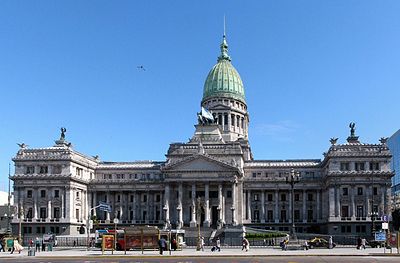


The Chamber of Deputies
The Chamber of Deputies serves as the lower house of the Argentine National Congress, a bicameral legislature established by the Constitution. It comprises 257 national deputies, elected from multi-member constituencies that correspond to the nation's 23 provinces and the Autonomous City of Buenos Aires. The electoral system employed is party-list proportional representation, a method designed to ensure that the composition of the Chamber broadly reflects the popular vote distribution among political parties.
This system aims to foster a diverse legislative body, representing a wide spectrum of political ideologies and regional interests. A distinctive feature of the Chamber's electoral cycle is its staggered elections: half of the deputies are up for election every two years, with each deputy serving a four-year term. This mechanism is relatively uncommon for lower legislative houses and serves to balance continuity with responsiveness, preventing abrupt shifts in legislative power and ensuring a consistent connection between the deputies and their constituents.
Constitutional Mandates
The Argentine Constitution grants the Chamber of Deputies several exclusive attributions that underscore its critical role in the nation's governance. Foremost among these is the sole authority to levy taxes. This fiscal power is fundamental, as it dictates the government's revenue streams and its capacity to fund public services and national initiatives.
Equally significant is the Chamber's exclusive right to draft troops, a power directly related to national security and defense policy. Beyond these, the Chamber holds a crucial oversight function: it possesses the power to formally accuse the President, cabinet ministers, and members of the Supreme Court before the Chamber of Senators. This impeachment-like process serves as a vital check and balance, holding the executive and judicial branches accountable for their actions and ensuring adherence to constitutional principles.
The Chamber also plays a role in direct citizen participation by receiving bills presented through popular initiative.
Legislative Process and Internal Governance
The Chamber of Deputies is a dynamic forum where legislative proposals are debated, amended, and voted upon. While the Constitution outlines specific exclusive powers, the Chamber's primary function involves considering and approving legislation that originates from various sources, including the executive branch, individual deputies, and the mechanism of popular initiative. Bills must pass through committees for detailed review before being presented to the full Chamber for debate and a final vote.
The proceedings are presided over by the President of the Chamber, who is elected by the deputies themselves. This leadership role, supported by three Vice Presidents also elected by the Chamber, is essential for maintaining order, managing debate, and ensuring the efficient functioning of the legislative process. The election of its own leadership reinforces the Chamber's autonomy and its role as a self-governing body within the National Congress.
The Significance of Staggered Elections and Popular Initiative
The staggered election system employed by the Chamber of Deputies is a deliberate design choice with significant implications for Argentine politics. By having half the Chamber elected every two years, it ensures that deputies remain acutely aware of public opinion and the need for continuous engagement with their constituents. This contrasts with systems where the entire legislature is up for election simultaneously, which can lead to more volatile political swings.
The constant electoral pressure encourages a more moderate and responsive approach to policymaking. Furthermore, the constitutional provision for popular initiative grants citizens a direct avenue to influence the legislative agenda. When a bill is presented through this mechanism, it obligates the Chamber to consider it, thereby enhancing democratic participation and ensuring that the concerns of the populace can be formally brought before the nation's lawmakers, even if they do not originate from within the political establishment.
Comparative Context and Modern Relevance
The Chamber of Deputies, as the lower house, functions in conjunction with the Argentine Senate to form the National Congress. Its structure and powers bear similarities to other lower legislative chambers globally, particularly those in presidential systems, yet its specific constitutional attributions, like the exclusive tax-levying power and the impeachment authority, are defining characteristics. In the contemporary political landscape, the Chamber remains a critical arena for policy formulation, political negotiation, and the representation of diverse regional and ideological interests.
Its effectiveness is often measured by its ability to foster consensus, hold the executive accountable, and pass legislation that addresses the nation's pressing challenges. The ongoing debates and decisions within the Chamber directly shape Argentina's economic, social, and political trajectory, making it a focal point of democratic life.
See also
Frequently Asked Questions
What is the Argentine Chamber of Deputies?+
How are deputies chosen?+
What special powers does the Chamber have?+
How often do deputies get re‑elected?+
Who runs the Chamber meetings?+
Based on content from Wikipedia · Licensed under CC BY-SA 4.0