

Apure
Images

Apure in Venezuela

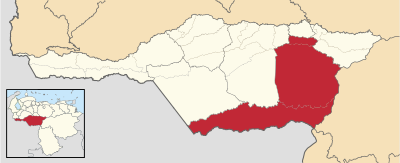


Territorial Evolution and Political Consolidation
The formation of Apure State is a microcosm of Venezuela's complex administrative and political history. Its territory was not a contiguous entity from the outset but was carved out of larger colonial administrative divisions such as Mérida, Maracaibo, and Barinas. The initial administrative step was the establishment of the Department of Apure in 1824, placing it under the jurisdiction of Barinas.
This laid the groundwork for future autonomy. A pivotal moment occurred in 1856 when Apure achieved separation from Barinas, emerging as an independent province. This provincial status was elevated to statehood in 1864, marking a significant step in its political consolidation.
However, the late 19th century saw further territorial realignments, notably the 1881 fusion with Guayana to form the expansive state of Bolívar. This period of flux underscores the fluid nature of state boundaries in post-colonial South America. Apure eventually reasserted its autonomy in 1899, and its current territorial configuration was definitively established by the Constitution of 1909, providing a stable framework for its governance and identity.
Ecological Riches and Historical Conflict
Apure's historical significance is deeply intertwined with both its natural resources and its role in national conflicts. Historically, the region was globally recognized for its abundant heron plumes, a valuable commodity that fueled an export trade and adorned the aristocracy in European courts. This ecological exploitation highlights early economic interactions and the environmental impact of human demand.
Simultaneously, Apure's geography made it a critical theater for military engagements. It was the backdrop for numerous armed encounters that were instrumental in the success of Venezuela's War for Independence, a struggle for national sovereignty. The state also endured multiple civil wars, further solidifying its reputation as a region shaped by conflict and resilience.
This dual legacy of natural wealth and historical strife has profoundly influenced its cultural identity and narrative, famously captured by Rómulo Gallegos in his seminal novel 'Doña Bárbara,' which vividly portrays the grandeur and challenges of this land.
Demographic Landscape and the Capital City
The demographic profile of Apure State, as captured by the 2011 census, indicates a population of 459,025 inhabitants. This figure represents the human element that populates and shapes the state's socio-economic fabric. The distribution of this population is influenced by Apure's distinctive geography, characterized by vast plains (llanos) and extensive river systems.
These natural features often dictate settlement patterns, agricultural practices, and economic activities. The state capital, San Fernando de Apure, serves as the administrative, political, and economic nucleus. Its role is crucial in coordinating state functions, providing public services, and acting as a hub for commerce and culture within Apure.
The capital's development and the overall population trends reflect the ongoing dynamics of regional growth and resource management in Venezuela.
Apure's Enduring Significance in Venezuelan Identity
Apure's importance extends beyond its geographical boundaries, resonating deeply within the broader Venezuelan national identity. Its historical role as a crucible for independence and civil wars makes it a symbol of the nation's struggle for self-determination and its internal political evolution. The literary and cultural impact, particularly through Rómulo Gallegos' 'Doña Bárbara,' has cemented Apure's image in the national consciousness as a representation of Venezuelan landscapes, character, and historical narratives.
Furthermore, its ecological past, though marked by exploitation, also points to the rich biodiversity of the region, which remains a vital component of Venezuela's natural heritage. Understanding Apure provides critical insights into the formation of Venezuelan states, the impact of historical events on regional development, and the enduring power of literature to shape national identity and cultural understanding.
Contemporary Relevance and Future Perspectives
In contemporary Venezuela, Apure continues to be a region of strategic importance, particularly concerning its natural resources and its position as a gateway to neighboring countries. The state's economy is largely based on agriculture and livestock, reflecting its vast plains. The historical narrative of Apure, marked by its battles and literary fame, remains a significant part of Venezuela's cultural heritage.
The challenges faced by the state, such as economic development and environmental conservation, are ongoing. The legacy of its past, from the exploitation of heron plumes to its role in independence wars, offers lessons for sustainable resource management and national reconciliation. Apure's story is a continuous narrative, evolving from its historical foundations to its present-day realities and future potential within Venezuela.
See also
Frequently Asked Questions
What is Apure in Venezuela?+
How did Apure become its own state?+
Why was Apure famous for heron feathers?+
What battles happened in Apure?+
Who wrote the book 'Doña Bárbara' about Apure?+
Based on content from Wikipedia · Licensed under CC BY-SA 4.0