

Alkyne: The Speedy Molecules!
Images

Alkyne


The Energetics and Reactivity of the Carbon-Carbon Triple Bond
Alkynes represent a class of unsaturated hydrocarbons defined by the presence of at least one carbon-carbon triple bond (C≡C). This structural feature, where two carbon atoms share six valence electrons, results in a linear geometry around the sp-hybridized carbon atoms. The triple bond is significantly shorter and stronger than a carbon-carbon double bond (alkenes) or single bond (alkanes), yet it is also the most reactive of the three due to its high electron density.
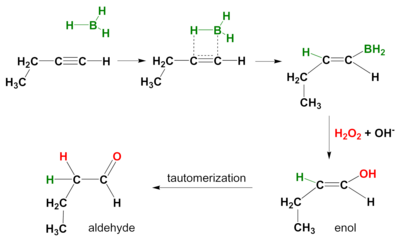
This electron richness makes alkynes highly susceptible to electrophilic attack, driving a variety of addition reactions. Common reactions include hydrogenation (adding H2 to form alkenes and then alkanes), halogenation (adding halogens like Br2), hydrohalogenation (adding HX), and hydration (adding water, often catalyzed by mercury salts, to form enols which tautomerize to ketones or aldehydes). The regioselectivity of these additions can often be predicted using Markovnikov's rule.
Terminal alkynes (where the triple bond is at the end of a carbon chain) possess a weakly acidic proton on the sp-hybridized carbon, allowing for deprotonation by strong bases to form acetylides, which are powerful nucleophiles used extensively in carbon-carbon bond formation, such as in the synthesis of longer hydrocarbon chains.
Historical Trajectory
The scientific exploration of alkynes gained momentum in the mid-19th century. Early work by chemists like Marcellin Berthelot in the 1860s was pivotal; he successfully synthesized acetylene and investigated its properties, including its high heat of combustion. This discovery hinted at its potential energetic applications.
Further research in the late 19th and early 20th centuries, driven by the burgeoning petrochemical industry, focused on methods for producing alkynes more efficiently. The development of processes like the cracking of hydrocarbons and the reaction of calcium carbide with water provided industrial-scale access to acetylene. This accessibility, coupled with the understanding of its intense flame, led directly to its widespread adoption in oxy-acetylene welding and cutting by the early 20th century.
Simultaneously, chemists began to recognize the synthetic utility of alkynes as versatile building blocks, paving the way for their use in the synthesis of more complex organic molecules, pharmaceuticals, and polymers.
The Indispensable Role of Alkynes in Industry and Synthesis
Alkynes are far more than just laboratory curiosities; they are indispensable in numerous industrial sectors. Their most prominent application remains in oxy-acetylene welding and cutting. The combustion of acetylene with pure oxygen generates temperatures exceeding 3,000°C, providing the intense heat required for efficiently melting and joining ferrous metals.
This process is fundamental to heavy manufacturing, construction, automotive repair, and metal fabrication worldwide. Beyond their thermal applications, alkynes serve as crucial intermediates in organic synthesis. They are precursors to a vast array of valuable compounds, including polymers, plastics, and synthetic fibers.
For instance, acetylene is a starting material for producing vinyl chloride, the monomer for PVC (polyvinyl chloride), a ubiquitous plastic. Alkynes are also integral in the synthesis of pharmaceuticals, agrochemicals, fragrances, and specialty chemicals. Their ability to undergo diverse addition reactions and form new carbon-carbon bonds makes them highly adaptable tools for chemists designing complex molecular architectures.
Mechanisms of Alkyne Reactivity
The reactivity of alkynes is primarily governed by the electron-rich pi system of the triple bond. Electrophilic addition reactions are characteristic, where an electrophile (an electron-seeking species) initiates the attack on the pi electrons. For instance, in the hydrohalogenation of an alkyne, the electrophilic hydrogen atom of HX adds first to one carbon of the triple bond, forming a carbocation intermediate on the other carbon.
This carbocation is then attacked by the halide ion. If excess HX is present, a second addition can occur across the resulting double bond. The regiochemistry of these additions typically follows Markovnikov's rule, where the hydrogen atom adds to the carbon with more hydrogen atoms already attached.
Terminal alkynes possess a unique property: the hydrogen atom attached to the sp-hybridized carbon is relatively acidic (pKa ~25). This acidity allows for deprotonation by very strong bases, such as sodium amide (NaNH2) or organolithium reagents, to generate highly nucleophilic acetylide anions. These acetylides are invaluable in organic synthesis, enabling the formation of new carbon-carbon bonds through reactions with electrophiles like alkyl halides (alkylation) or carbonyl compounds (addition to aldehydes and ketones).
Beyond Acetylene
While acetylene is the most well-known alkyne due to its industrial applications, a wide range of other alkynes are synthesized and utilized. Higher molecular weight alkynes find use as intermediates in the production of polymers and specialty chemicals. For example, certain alkynes are incorporated into conjugated polymer systems, which exhibit interesting electronic and optical properties, making them relevant in fields like organic electronics and optoelectronics.
The development of transition metal-catalyzed reactions has further expanded the synthetic utility of alkynes. Reactions like the Sonogashira coupling allow for the formation of carbon-carbon bonds between terminal alkynes and aryl or vinyl halides, providing efficient routes to complex conjugated systems. Furthermore, alkynes are found in various biologically active molecules and are used in medicinal chemistry research.
Their rigid, linear structure can be exploited to control molecular conformation and binding interactions. The ongoing research into alkyne metathesis and cycloaddition reactions continues to uncover new synthetic pathways and potential applications for this versatile class of compounds.
See also
Frequently Asked Questions
What is an alkyne and why is it called a "speedy molecule"?+
How do alkynes react with other chemicals like hydrogen or halogens?+
Why can terminal alkynes be used to build longer chains of carbon atoms?+
How did scientists first discover and use alkynes in the 19th century?+
What are some everyday products that are made using alkynes?+
Based on content from Wikipedia · Licensed under CC BY-SA 4.0