

Akihabara: Tokyo's Electric Town!
Images

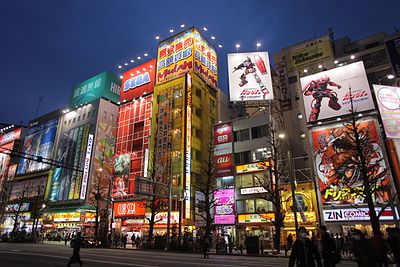
Sotokanda, Akihabara Electric Town At Night 20231114




From Post-Fire Reconstruction to Electric Town Genesis
The geographical and historical roots of Akihabara are deeply intertwined with disaster and resilience. Originally known as Akibagahara, its name evolved from a shrine dedicated to Akiba, a deity invoked to prevent fires, established after a significant conflagration in 1869 destroyed the area. This event marked a turning point, necessitating rebuilding and establishing a protective deity.
Post-World War II, Akihabara emerged as a crucial hub, initially serving as a black market for scarce goods before rapidly specializing in electronics. This transition was fueled by Japan's post-war industrial boom and the growing demand for consumer electronics, solidifying its identity as 'Akihabara Electric Town' and setting the stage for its future as a technological epicenter.
The Cultural Epicenter
Akihabara is globally synonymous with 'otaku' culture, a complex subculture characterized by intense devotion to specific interests, most notably anime, manga, video games, and idol culture. This district functions as the physical manifestation of this passion, with its urban landscape dominated by towering billboards featuring anime characters and its streets filled with specialized retail outlets.
The proliferation of maid cafés represents a unique facet of this culture, offering interactive entertainment and a distinct social experience that blurs the lines between service industry and performance art. Akihabara is not merely a shopping destination; it is a pilgrimage site for fans worldwide, a space where niche interests are celebrated and amplified, shaping global perceptions of Japanese popular culture.
Economic Dynamics
The economic engine of Akihabara is multifaceted, driven by its dual identity as a premier electronics market and a vibrant center for otaku-related industries. It attracts a diverse clientele, from local consumers seeking the latest technological advancements to international tourists drawn by its unique cultural offerings. The district hosts a spectrum of businesses, ranging from multinational electronics retailers to independent shops specializing in vintage games, rare collectibles, and custom computer components.
The constant influx of new products and trends, particularly in gaming and anime merchandise, ensures a dynamic market. This economic activity not only contributes significantly to Tokyo's GDP but also positions Akihabara as a key player in the global market for niche consumer goods and cutting-edge technology.
Urban Landscape and Social Fabric
The physical environment of Akihabara is as distinctive as its cultural identity. The area surrounding Akihabara Station, often referred to as Akihabara Electric Town, is characterized by its dense urban development, dominated by multi-story commercial buildings adorned with vibrant signage and digital displays. Beyond the main thoroughfares, smaller streets harbor specialized shops and hidden gems, creating a layered urban experience.
The district's administrative boundaries, encompassing parts of Sotokanda and Kanda-Sakumachō, highlight its integration within Tokyo's broader urban fabric. The constant flow of people-locals, tourists, enthusiasts-contributes to a unique social dynamic, making Akihabara a living, breathing ecosystem of commerce, culture, and community.
The Evolution of Consumption and Identity in Akihabara
Akihabara's narrative is a compelling case study in the evolution of consumption patterns and the formation of subcultural identities in modern Japan. Its transformation from a post-war necessity-driven market to a destination for specialized leisure and hobbyist consumption reflects broader societal shifts. The district's ability to adapt and thrive, particularly by embracing and amplifying otaku culture, demonstrates a unique urban resilience.
It serves as a barometer for trends in technology and popular culture, constantly reinventing itself to cater to evolving fan bases and technological advancements. The ongoing development and diversification of its retail and entertainment offerings ensure its continued relevance as a global cultural landmark.
See also
Frequently Asked Questions
What is Akihabara famous for?+
Why is Akihabara called Electric Town?+
How did Akihabara become a center for anime and video games?+
What are maid cafés and why are they popular in Akihabara?+
Where is Akihabara located in Tokyo?+
Based on content from Wikipedia · Licensed under CC BY-SA 4.0