

Abu Dhabi: Desert Jewel!
Images

Abu Dhabi


Geopolitical and Environmental Context
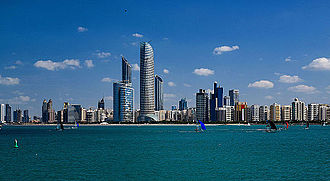
Abu Dhabi, the capital of the United Arab Emirates, is strategically situated on an island in the Persian Gulf, commanding a significant portion of the UAE's coastline. Its geographical position has historically facilitated trade and maritime activities. The climate is characterized by extreme heat and humidity during the summer months, with temperatures frequently exceeding 45°C (113°F), and a milder, more pleasant winter season.
Rainfall is scarce, averaging less than 100 mm (4 inches) annually. The urban landscape is a testament to ambitious development, featuring a dense concentration of skyscrapers, expansive infrastructure projects, and artificial islands, juxtaposed against the arid desert environment that surrounds the emirate. This unique setting presents ongoing challenges and opportunities for sustainable urban planning and resource management.
From Pearl Divers to Petrochemical Powerhouse
The historical trajectory of Abu Dhabi is a remarkable narrative of transformation. Initially a modest settlement reliant on pearl diving and fishing, its fortunes were irrevocably altered by the discovery of vast oil reserves in the 1950s and 60s. This hydrocarbon wealth provided the capital for unprecedented development, shifting the economy from traditional livelihoods to a modern, industrialized base.
The formation of the UAE in 1971, with Abu Dhabi as its capital, marked a pivotal moment, consolidating resources and establishing a unified national identity. The subsequent decades have seen continuous investment in infrastructure, education, and diversification, propelling Abu Dhabi onto the global stage as a significant economic and cultural center, driven by visionary leadership that anticipated the need to move beyond sole reliance on oil.
Cultural Synthesis and Global Influence
Abu Dhabi is a dynamic nexus of global cultures, deeply rooted in Emirati traditions and Islamic heritage. The Sheikh Zayed Grand Mosque stands as a paramount symbol of architectural grandeur and spiritual significance, embodying principles of tolerance and interfaith dialogue. Complementing this spiritual heart are world-class cultural institutions, most notably the Louvre Abu Dhabi, an interdisciplinary museum that fosters cross-cultural understanding through its diverse collections.
The city actively promotes arts, heritage, and entertainment, hosting international events and festivals. This cultural dynamism is further enriched by a large expatriate population, contributing to a cosmopolitan atmosphere that blends traditional hospitality with modern cosmopolitanism, making it a unique destination for cultural exchange and exploration.
Economic Diversification and Future Outlook
While Abu Dhabi's economy remains heavily influenced by its substantial oil and gas reserves, which underpin its significant sovereign wealth, a deliberate and sustained strategy of economic diversification is in full effect. The emirate has channeled its hydrocarbon revenues into developing robust sectors such as finance, real estate, tourism, aviation, and renewable energy. Abu Dhabi is actively positioning itself as a global hub for business, investment, and innovation, attracting foreign direct investment and fostering a knowledge-based economy.
Initiatives like Masdar City, a pioneering sustainable urban development, underscore the commitment to future-proofing the economy and addressing global environmental challenges, signaling a proactive approach to long-term economic resilience and global competitiveness.
Governance and Societal Framework
As the federal capital of the UAE, Abu Dhabi plays a central role in the nation's governance. The ruling Al Nahyan family provides leadership, with the Emir of Abu Dhabi also serving as the President of the UAE. The government operates on a consultative model, balancing traditional values with the demands of a modern, globalized society.
Key policy objectives include fostering economic growth, ensuring social stability and welfare, promoting national security, and enhancing the UAE's international standing. Significant investments are made in public services, including healthcare and education, aiming to create a high quality of life for residents and attract international talent. The governance structure emphasizes strategic planning and long-term development, guided by a vision for sustained prosperity and global influence.
Educational Landscape and Human Capital Development
Abu Dhabi places a strong emphasis on education as a cornerstone of its future development and economic diversification. The emirate hosts a wide array of educational institutions, from early childhood centers to world-class universities and research facilities. Significant investment has been made in establishing international branch campuses of renowned global universities, offering specialized programs in fields like engineering, business, and arts.
The focus is on cultivating a highly skilled workforce capable of driving innovation and contributing to the knowledge economy. Educational reforms aim to integrate critical thinking, technological literacy, and research capabilities, ensuring that Abu Dhabi's human capital is equipped to meet the challenges and opportunities of the 21st century.
Go deeper
Frequently Asked Questions
What is Abu Dhabi and why is it called a desert jewel?+
Why did Abu Dhabi become rich and grow so fast?+
How does Abu Dhabi keep its city cool when it gets so hot?+
What are some famous places to visit in Abu Dhabi?+
How does Abu Dhabi use its oil money to help other jobs and the environment?+
Based on content from Wikipedia · Licensed under CC BY-SA 4.0