

America Votes! 2024
Images
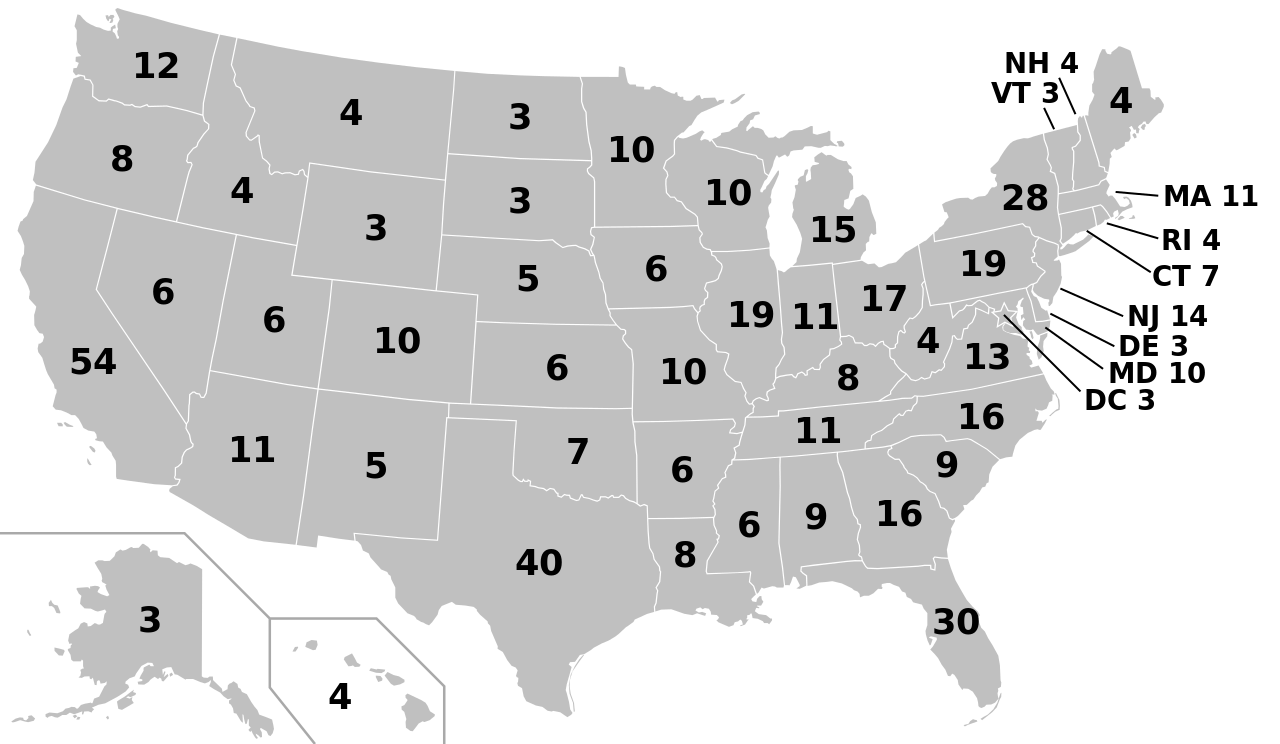
ElectoralCollege2024



Shifting Political Tides
The United States presidential election of November 5, 2024, concluded with the victory of former President Donald Trump, who defeated incumbent Vice President Kamala Harris. This marked Trump's return to the presidency for a non-consecutive second term. The election was characterized by intense debate over critical issues such as economic stability, reproductive rights (abortion), border security and immigration policy, the health of democratic institutions, and America's role in global affairs.
The outcome represented a significant shift in the nation's political leadership, with voters opting for a change from the previous administration. This election continued a notable pattern of the incumbent party losing the presidency, a trend observed in 2016 and 2020 as well.
Congressional Control
Beyond the executive branch, the 2024 elections dramatically reshaped the legislative landscape. The Republican Party achieved a comprehensive victory, not only retaining but also expanding its influence. They secured a majority in the Senate, a chamber where control can be particularly impactful due to its role in confirming appointments and ratifying treaties.
Furthermore, they maintained a narrow but crucial majority in the House of Representatives. This dual control of both chambers of Congress, coupled with the presidential victory, established a 'trifecta' for the Republican Party. This is a powerful position, allowing them to more easily advance their legislative agenda, a situation not seen for the party since 2016.
This consolidation of power has significant implications for policy-making over the next few years.
Historical Echoes and Electoral Patterns
The results of the 2024 elections resonate with historical electoral patterns. The fact that the incumbent party lost the presidency for the third consecutive election cycle (2016, 2020, 2024) suggests a growing voter appetite for change or perhaps a dissatisfaction with the status quo after a single presidential term. It also marked the first time since 1980 that Republicans managed to flip control of a congressional chamber during a presidential election year, underscoring the significance of this electoral cycle.
The outcome also signifies that the Democratic Party's hold on power, at least in the presidency, was limited to a single four-year term, a phenomenon not witnessed since 1980. The last time neither the presidency nor a chamber of Congress changed control was in 2012, highlighting the volatility of recent elections.
Unprecedented Campaign Violence and Its Impact
A deeply disturbing aspect of the 2024 election cycle was the occurrence of two attempted assassinations targeting Donald Trump. The first incident, a shooting, took place in Pennsylvania, and a second attempt occurred in Florida. These events were historically significant and alarming.
It marked the first time a U.S. president or former president had been the target of a shooting since 1981, and the first instance of a presidential candidate being shot on the campaign trail since 1972. Such acts of violence cast a dark shadow over the democratic process, raising profound questions about political security, the intensity of partisan division, and the safety of public figures engaged in political discourse. The impact of these events on voter sentiment and campaign strategies was undoubtedly substantial.
Thematic Concerns
The major issues that dominated the 2024 election discourse provide insight into the concerns of the American electorate. The economy, encompassing inflation, job growth, and overall financial well-being, remained a paramount concern. The contentious issue of abortion rights continued to be a significant driver of voter engagement and policy debate.
Immigration and border security presented complex challenges, with differing approaches proposed by the candidates. The broader concept of democracy, including electoral integrity and governance norms, was also a central theme. Finally, foreign policy, including international relations and national security, played a crucial role in shaping voters' decisions.
The election results indicate a public mandate for specific approaches to these multifaceted challenges.
See also
Frequently Asked Questions
Who won the 2024 U.S. presidential election?+
What does it mean that Republicans won a "trifecta"?+
Why were there two attempted shootings on Donald Trump during the election?+
What happened to the Senate and House after the 2024 elections?+
How often does the party that is in power lose the presidency?+
Based on content from Wikipedia · Licensed under CC BY-SA 4.0