

2022–2023 Brazilian coup plot
Images

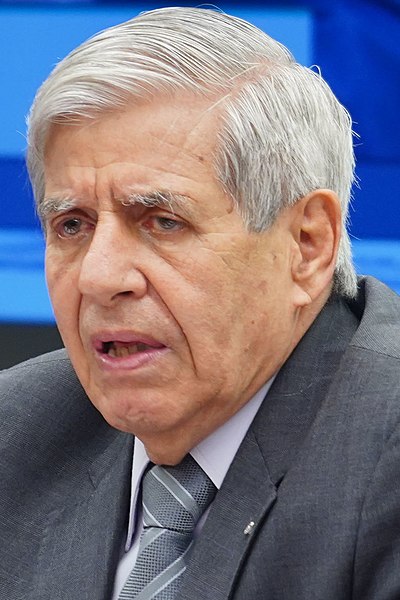
05 12 2020 CerimôNia De Entrega De Espada E DeclaraçãO De Aspirantes Da Turma “150 Anos Da Campanha Da TríPlice AliançA” (50682670773)



Brazil's Democratic Landscape and the Post-Election Tensions
Brazil, a vast and diverse nation in South America, has a complex political history marked by periods of both democratic progress and authoritarian rule. Its democratic system, re-established in the 1980s, is characterized by a presidential republic with a multi-party system. The 2022 presidential election was particularly contentious, pitting the incumbent Jair Bolsonaro against former president Luiz Inácio Lula da Silva.
Bolsonaro's presidency was marked by polarization and frequent clashes with democratic institutions, including the judiciary and electoral bodies. Following Lula's narrow victory, a significant segment of Bolsonaro's supporters refused to accept the results, leading to widespread protests and a climate of political instability. This period set the stage for the alleged coup plot, a serious challenge to the peaceful transfer of power that is fundamental to any democracy.
The sheer size of Brazil, with its over 200 million people and immense geographical diversity, makes governing a complex undertaking, and the events of 2022-2023 tested the resilience of its institutions.
The Alleged Architecture of a Coup
The 2022–2023 Brazilian coup plot, as revealed through subsequent investigations, was not a spontaneous uprising but a meticulously planned operation by a network of individuals. These included former government officials, military figures, and Bolsonaro's close allies. The primary objective was to prevent the inauguration of President-elect Lula da Silva and maintain Bolsonaro's grip on power.
The alleged plan involved several drastic measures: the arrest of key judicial figures, including Supreme Federal Court Justice Alexandre de Moraes and Senate President Rodrigo Pacheco, who were seen as obstacles to their agenda. Furthermore, the plot reportedly aimed to shut down critical democratic institutions such as the National Congress, the Superior Electoral Court, and the Supreme Federal Court itself. This would have effectively paralyzed the government and paved the way for an unconstitutional seizure of power, akin to a military takeover or a state of emergency declared by the executive branch to silence opposition and consolidate authority.
Unraveling the Conspiracy
The intricate web of the alleged coup plot began to be exposed through extensive investigations by Brazil's Federal Police and the Public Prosecutor's Office, alongside reporting from investigative journalists. These investigations, spanning 2023 and 2024, uncovered substantial evidence, including intercepted communications, witness testimonies, and documents, pointing to a coordinated effort to subvert democracy. A significant turning point was the January 8, 2023, attacks on government buildings in Brasília, which, while not directly part of the initial plot, were seen by many as a manifestation of the unrest fueled by the election denialism.
In February 2024, Valdemar Costa Neto, the president of the Liberal Party, and several aides to Bolsonaro were arrested. The Federal Police formally accused Bolsonaro and 36 others in November 2024 of an attempt to overthrow democratic institutions, with chilling allegations of a plot to assassinate Lula, Vice President-elect Geraldo Alckmin, and Justice Moraes. The arrest of Walter Braga Netto, a former Army General and Bolsonaro's 2022 running mate, underscored the alleged deep involvement of military elements in the conspiracy.
Legal Reckoning and International Ramifications
The legal consequences of the alleged coup plot unfolded in the Brazilian justice system. In February 2025, Attorney General Paulo Gonet formally indicted Bolsonaro and 34 others for an attempted coup d'état. Subsequently, the Supreme Court accepted the complaint, naming Bolsonaro and seven allies as defendants.
The trial, held in September 2025 before the First Panel of the Supreme Federal Court, resulted in the conviction of all defendants, with Jair Bolsonaro receiving a sentence of 27 years and 3 months in prison. This verdict represented a significant affirmation of Brazil's commitment to democratic rule. The events also drew international attention, notably from the United States under the Trump administration, which clashed with Brazilian authorities, alleging a 'witch hunt' without providing evidence and imposing tariffs and visa restrictions.
President Lula's response, emphasizing the non-negotiable nature of Brazilian democracy and sovereignty, highlighted the delicate balance of international relations in the face of domestic political challenges.
See also
Frequently Asked Questions
What was the 2022–2023 Brazilian coup plot about?+
Who were the people involved in the plot?+
What did the plot want to do to Brazil's government?+
How did the police find out about the plot?+
What happened to people who were part of the plot?+
Based on content from Wikipedia · Licensed under CC BY-SA 4.0