

The Great Election Race of 1992!
Images

ElectoralCollege1992




The Democratic Resurgence and Clinton's Strategy
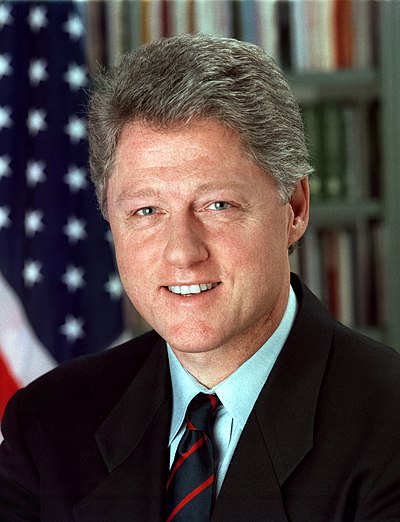
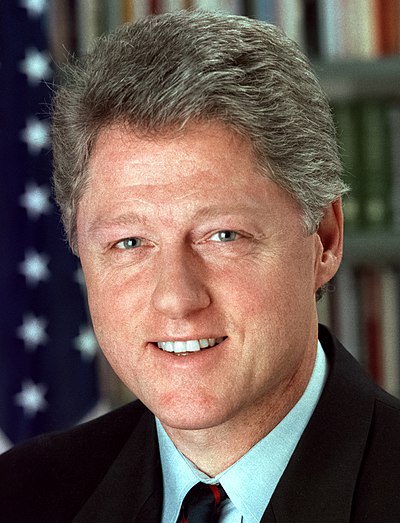
The 1992 election marked a pivotal moment for the Democratic Party, signaling a shift towards a more centrist approach under Bill Clinton. Leading the Democratic Leadership Council, Clinton successfully navigated the primaries, positioning himself as a pragmatic alternative to both the incumbent Republican administration and the more progressive wings of his own party. His campaign masterfully utilized the slogan 'It's the economy, stupid,' to keep the focus on domestic issues, particularly economic stagnation and job creation, which resonated deeply with a public disillusioned by slow post-recession growth.
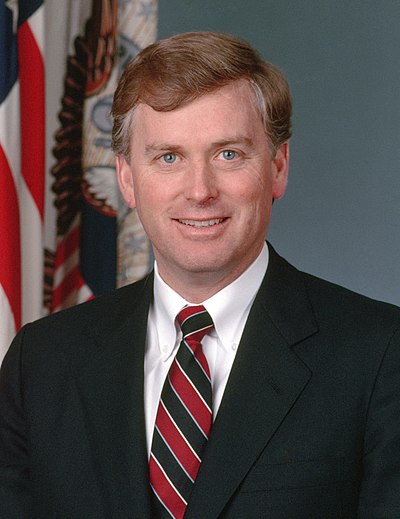
Clinton's ability to connect with working-class voters, coupled with his intellectual prowess and youthful energy, allowed him to overcome the perceived advantages of incumbency and foreign policy expertise held by President Bush. His selection of Al Gore as his running mate also signaled a generational shift within the Democratic Party.
Bush's Challenges
President George H. W. Bush faced a challenging re-election bid despite his widely acclaimed success in the Gulf War.
His popularity, which had soared after the conflict, began to wane as the American economy struggled with a perceived slow recovery from the early 1990s recession. A critical misstep was his 1990 decision to break his 'no new taxes' pledge from the 1988 campaign, a move that alienated many conservative voters and provided ammunition for primary challenger Pat Buchanan. Furthermore, the end of the Cold War and the dissolution of the Soviet Union fundamentally altered the global geopolitical landscape.
The foreign policy triumphs that had defined Bush's presidency became less relevant to voters preoccupied with domestic concerns, diminishing the impact of his most significant political asset.
The Perot Phenomenon and Third-Party Impact
The 1992 election witnessed the most significant third-party challenge in decades with the independent candidacy of billionaire businessman Ross Perot. Perot's campaign, fueled by his personal wealth and a direct-to-voter appeal through television advertising, focused on fiscal responsibility, deficit reduction, and opposition to the North American Free Trade Agreement (NAFTA). He tapped into widespread public dissatisfaction with the two major parties, leading in national polls for a period in mid-1992.
However, his campaign suffered a significant blow when he temporarily withdrew from the race in July, a move that allowed Clinton and Bush to regain ground. Despite his eventual drop in the polls, Perot's 18.9% of the popular vote was a historic achievement, demonstrating the potential for independent candidates to influence the national discourse and siphon votes from the major parties, particularly on economic issues.
Electoral Dynamics and Long-Term Consequences
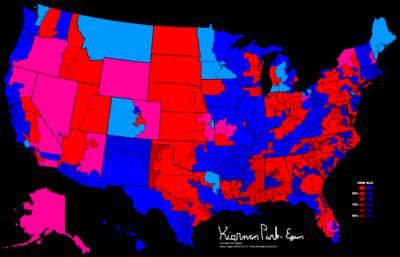
The election's outcome represented a significant realignment in American presidential politics, ending twelve consecutive years of Republican control of the White House and a longer period of Republican dominance that had begun in 1968 (with the exception of Jimmy Carter's single term). Clinton's victory was not just a return of the Democrats to power but also a mandate for change, as he successfully flipped 22 states that had voted Republican in 1988.
The election highlighted the growing importance of economic issues in presidential campaigns and the persistent appeal of populist messages that challenge the status quo. Perot's strong showing also underscored a growing segment of the electorate seeking alternatives to the traditional two-party system, a trend that would continue to influence American politics in subsequent elections.
The Role of Media and Campaign Tactics
The media played a crucial role in shaping public perception during the 1992 election. Clinton's campaign was adept at using television, including his famous appearance on 'The Arsenio Hall Show,' to project an image of relatability and modernity. The Bush campaign, conversely, focused on attacking Clinton's character and emphasizing Bush's foreign policy credentials. Debates were particularly important, with the inclusion of Ross Perot allowing for a more dynamic, albeit sometimes chaotic, exchange of ideas.
Perot's direct appeals and unconventional campaign style, often bypassing traditional media gatekeepers, also represented a new frontier in political communication. The strategic use of advertising, the framing of key issues, and the candidates' ability to connect with voters through various media platforms were all critical factors in the election's outcome.
See also
Frequently Asked Questions
Who won the 1992 U.S. presidential election?+
What was the famous slogan used by Bill Clinton's campaign?+
Who was the independent candidate that got a lot of votes?+
Why did President George H. W. Bush lose the election?+
How did the 1992 election change American politics?+
Based on content from Wikipedia · Licensed under CC BY-SA 4.0