

1989 visit by Boris Yeltsin to the United States
Images
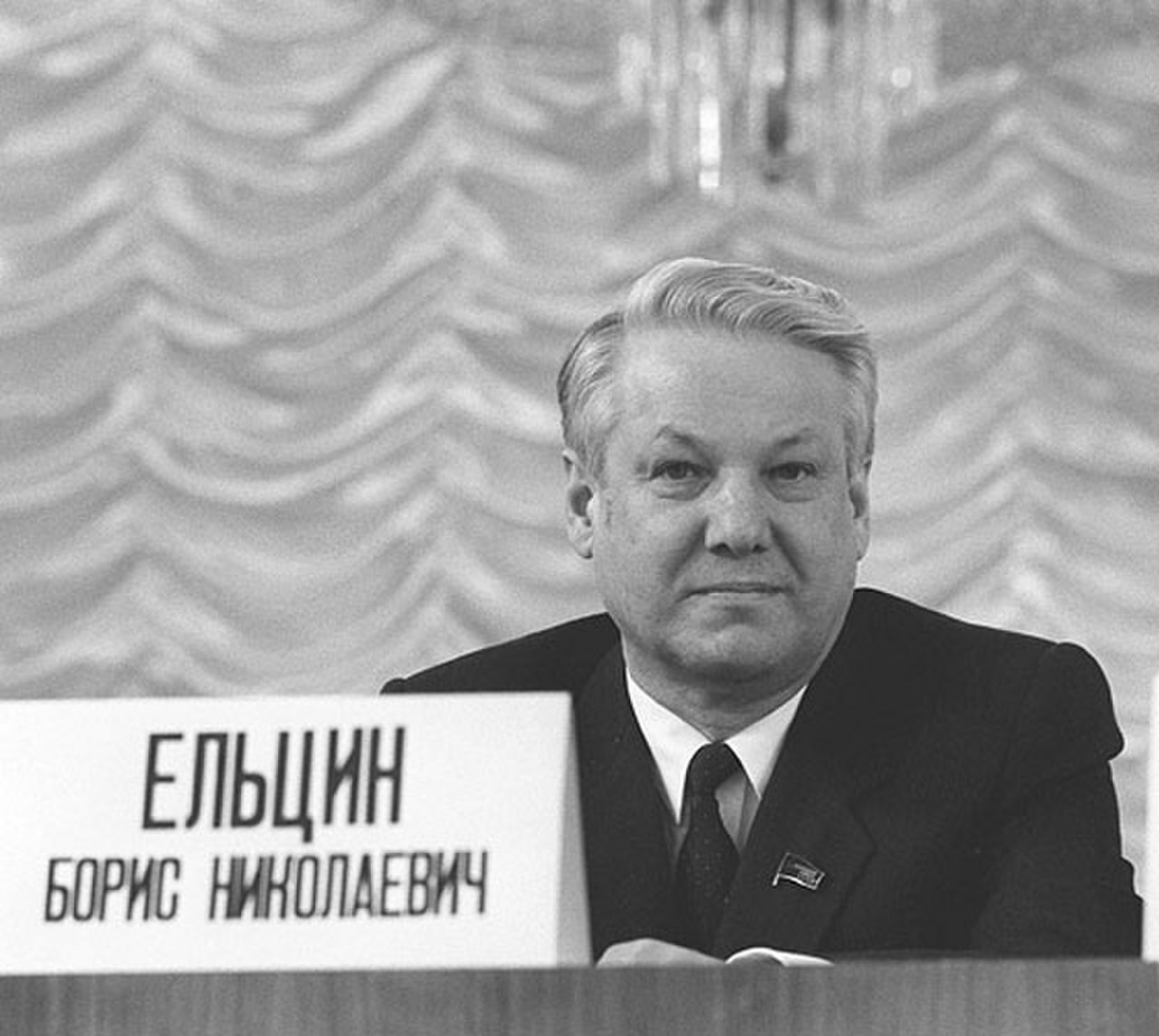
Boris Yeltsin 21 February 1989 1
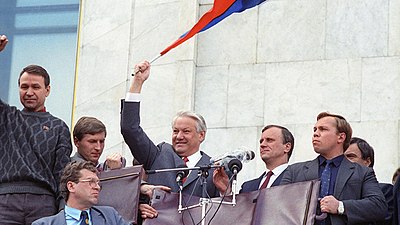


The Political Ascent and the Invitation to America
In 1989, Boris Yeltsin was a figure of considerable political momentum within the Soviet Union. Having recently secured a seat in the Supreme Soviet, he was increasingly recognized as a leading voice for reform, challenging the established Communist Party hierarchy. This growing influence attracted attention from various organizations and individuals in the United States eager to engage with this burgeoning force for change.
Ultimately, Yeltsin accepted an offer from the Esalen Institute, a think tank known for fostering dialogue and cultural exchange. This led to a meticulously planned, ten-city public speaking tour across the US. The financial model for the trip was particularly noteworthy: it was entirely self-funded through Yeltsin's speaking fees.
Furthermore, a significant portion of his earnings was designated for the purchase of disposable syringes, a direct effort to address the escalating HIV/AIDS crisis within the Soviet Union. This dual purpose of diplomatic engagement and humanitarian aid underscored the complex motivations behind the visit.
High-Profile Engagements and Unscripted Encounters
The itinerary of Yeltsin's 1989 visit was strategically designed to maximize impact and visibility. Key engagements included a formal meeting with President George H. W.
Bush at the White House, a symbolic gesture of dialogue between the leaders of the two Cold War superpowers. This meeting provided an opportunity to discuss the evolving geopolitical landscape and potential areas of cooperation. Yeltsin also met with former President Ronald Reagan in Minnesota, continuing a dialogue that had shaped US-Soviet relations for years.
Beyond these high-level political discussions, the trip featured numerous public speeches and appearances, allowing Yeltsin to connect with American audiences and articulate his vision for the Soviet Union. A particularly memorable and unplanned event occurred after a tour of the Johnson Space Center in Houston: Yeltsin's entourage made an impromptu stop at a Randalls grocery store. This deviation from the official schedule was driven by Yeltsin's desire to observe and understand the daily lives of ordinary Americans.
The Transformative Power of the Supermarket
The unscheduled visit to the Randalls grocery store in Houston proved to be a profoundly influential moment in Yeltsin's 1989 US tour. While observing the aisles stocked with a vast array of consumer goods, Yeltsin was reportedly struck by the accessibility and abundance of products available to the average American shopper. This experience offered a stark contrast to the often-scarce and limited selection of goods in Soviet stores.
Commentators and Yeltsin's own aides have widely noted the significant impact of this encounter on his political perspective. One aide famously remarked that following the grocery store visit, 'the last vestige of Bolshevism collapsed inside' him. This powerful statement suggests that witnessing the tangible results of a market economy and consumer freedom fundamentally altered his ideological framework, reinforcing his commitment to dismantling the Soviet command economy and embracing market principles.
From Visit to Vanguard
The experiences and insights gained during Boris Yeltsin's 1989 visit to the United States had a lasting and transformative effect on his political trajectory and, by extension, on the future of Russia. Upon his return to the Soviet Union, Yeltsin intensified his advocacy for political reform and for fostering closer diplomatic and economic ties with the West. His growing influence and reformist agenda culminated in his election as the president of Russia in 1991.
In this pivotal role, he played a crucial part in leading the nation away from its communist past and towards a democratic capitalist system. The cultural resonance of his US visit even extended into the arts, with a comic opera titled 'Yeltsin in Texas' premiering in 2020, which specifically dramatized his experiences in the Houston area, including the now-famous grocery store visit. This enduring legacy highlights how a single diplomatic trip could serve as a catalyst for profound historical change.
Geopolitical Context and Ideological Exchange
The 1989 visit by Boris Yeltsin occurred at a critical juncture in global history, just as the Cold War was drawing to a close. The Soviet Union was undergoing significant internal changes under Mikhail Gorbachev's policies of Glasnost and Perestroika, and Yeltsin represented a more radical wing of this reform movement. His tour of the United States was therefore not merely a cultural exchange but a significant diplomatic event that signaled a potential shift in East-West relations.
The willingness of the US government and institutions like the Esalen Institute to engage with Yeltsin, even while he was a figure within the Soviet system, demonstrated a recognition of the changing political landscape. The contrast between the Soviet planned economy and the American market economy, vividly illustrated by the grocery store visit, provided Yeltsin with firsthand evidence of the perceived successes of capitalism. This direct exposure to Western life and economic systems likely reinforced his conviction that fundamental changes were necessary for the Soviet Union's future, contributing to the eventual dissolution of the USSR and the establishment of independent states like Russia.
See also
Frequently Asked Questions
What was Boris Yeltsin's 1989 visit to the United States about?+
Why did Yeltsin visit a grocery store in Houston?+
How did Yeltsin use the money he earned from speaking?+
Who did Yeltsin meet while in the U.S.?+
What changed in Yeltsin after the grocery store visit?+
Based on content from Wikipedia · Licensed under CC BY-SA 4.0