

1950 FIFA World Cup
Images

Estádio do Maracanã (3345373525)


The World Cup's Return
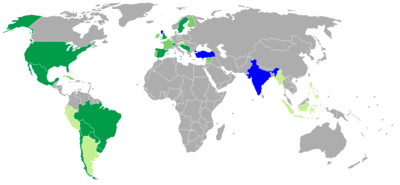
The 1950 FIFA World Cup held immense significance as the first global football championship since 1938, a testament to the world's gradual recovery from the ravages of World War II. The cancellations of the 1942 and 1946 tournaments underscored the profound impact of the conflict. Brazil, a nation deeply passionate about football and eager to showcase its post-war resurgence, was selected as the host. This edition saw 13 national teams compete, a number reflecting the global landscape still rebuilding.
The tournament was not merely a sporting event but a powerful symbol of returning normalcy and international cooperation. It provided a much-needed platform for nations to reconnect and engage in peaceful competition, demonstrating football's unique ability to transcend political and social divides and foster a sense of shared global identity after years of isolation and conflict. The sheer scale of the event, particularly the construction of the colossal Maracanã Stadium, highlighted Brazil's ambition and commitment to hosting a world-class tournament.
The Maracanazo
The climax of the 1950 World Cup was not a traditional final but a decisive match within a four-team final group. Brazil, playing on home soil and needing only a draw against Uruguay to secure the title, entered the match as overwhelming favorites. The Maracanã Stadium was packed with an estimated 200,000 spectators, anticipating a coronation.
However, Uruguay, under the astute leadership of coach Juan López, executed a masterful tactical performance. Despite Brazil taking the lead, Uruguay equalized and then scored the winning goal in the second half. This 2-1 victory, now immortalized as the 'Maracanazo,' was far more than a sporting defeat for Brazil; it was a national trauma.
The silence that descended upon the stadium was deafening, a stark contrast to the jubilant celebrations expected. The event profoundly impacted Brazilian national identity and footballing psyche, leading to significant soul-searching and ultimately inspiring a generation of players to achieve redemption in future tournaments.
Jules Rimet's Legacy and the Evolving Trophy
The 1950 tournament marked a significant milestone in the history of the World Cup trophy itself. It was officially designated the 'Jules Rimet Cup' in honor of the FIFA President whose vision and tireless efforts had established the tournament 25 years prior. Rimet, often hailed as the 'Father of the World Cup,' had championed the idea of a global football championship long before it became a reality.
The renaming of the trophy was a fitting tribute to his enduring legacy and his pivotal role in elevating football to its status as the world's most popular sport. This gesture not only celebrated Rimet's contributions but also underscored the growing prestige and historical weight of the World Cup, solidifying its place as a coveted prize in international sport and a symbol of global footballing excellence.
A Format Unseen
The structure of the 1950 FIFA World Cup deviated significantly from the knockout-style finals that characterize most modern tournaments. Instead of a single championship match, the competition concluded with a final round featuring a group of four teams. These teams played a round-robin format, with points awarded for wins and draws.
The team that finished at the top of this group table was declared the World Champion. This unique system meant that consistency and performance across multiple matches were paramount, rather than excelling in a single high-pressure final. While it led to a dramatic and historically significant conclusion with Uruguay's victory over Brazil, the format was not repeated in subsequent World Cups, with FIFA eventually reverting to a more traditional knockout system for the final stages of the tournament.
The Shadow of War and Italy's Decline
The lingering shadow of World War II cast a long pall over the 1950 World Cup, influencing not only its scheduling but also the fortunes of participating nations. Italy, the reigning two-time champions from 1934 and 1938, suffered a historically significant and unexpected early exit. Their elimination in the first round was a stark contrast to their previous dominance and was attributed by some to the disruption caused by the war, which had significantly impacted their team's development and preparation.
The loss of key players and the interruption of international competition meant that the Italian squad that arrived in Brazil was a shadow of its former glory. This early departure highlighted the fragility of sporting dynasties and the profound, long-term effects that global events can have on athletic performance and national sporting achievements, serving as a poignant reminder of the war's widespread consequences.
See also
Frequently Asked Questions
What was special about the 1950 FIFA World Cup?+
Why was the match at Maracanã called the Maracanazo?+
How many people watched the final match at Maracanã?+
Who won the 1950 World Cup?+
What is the Jules Rimet Cup?+
Based on content from Wikipedia · Licensed under CC BY-SA 4.0