

The Great Chinese Floods of 1931
Images
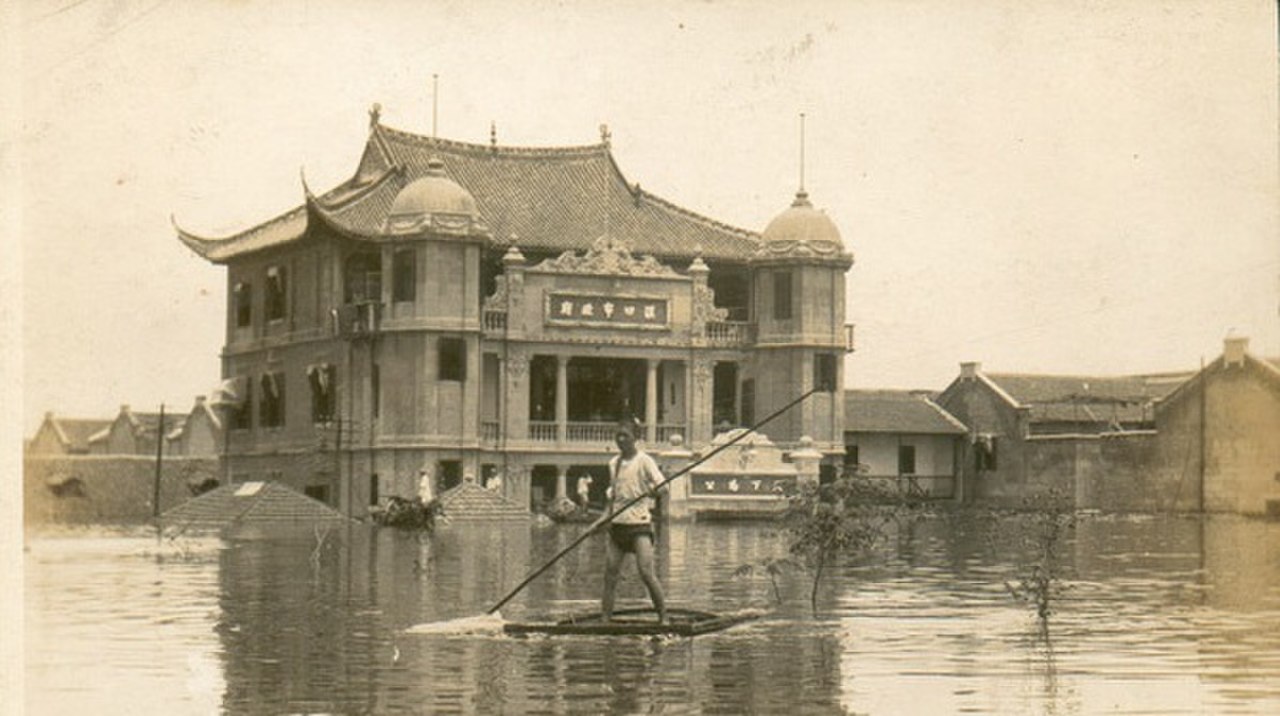
1931 China floods
The Genesis of a Catastrophe
The 1931 China floods were not a singular event but a devastating culmination of meteorological anomalies that overwhelmed the Yangtze, Yellow, and Huai river systems. The preceding winter saw unusually heavy snowfall across China, followed by a rapid and intense thaw in the spring. This initial surge of water was then compounded by a summer of relentless, record-breaking rainfall.
From June to August, the region experienced monsoon patterns that delivered an extraordinary amount of precipitation, far exceeding historical averages. The Yangtze River, in particular, faced unprecedented water levels. Its average flow rate was dramatically amplified, leading to the catastrophic failure of its levees and flood control structures.
The sheer volume of water was staggering, estimated to be several times the normal flow. This hydrological onslaught transformed vast swathes of central and eastern China into a colossal inland sea, affecting an area comparable to the size of the United Kingdom. The scale of inundation was such that it not only submerged agricultural land but also entire cities and towns, fundamentally altering the landscape and the lives of millions.
The Scope of Devastation
The physical extent of the 1931 floods was matched only by the depth of their socio-economic and environmental consequences. An estimated 100,000 square miles (approximately 260,000 square kilometers) were inundated, displacing an estimated 40 to 100 million people. The destruction of infrastructure was immense; roads, railways, and communication lines were obliterated, severely hampering relief efforts and isolating affected regions.
The agricultural sector, the backbone of China's economy, was decimated. Millions of acres of farmland were submerged, leading to widespread crop failure and the subsequent onset of severe famine. This famine, coupled with the direct impact of the floods, led to a catastrophic loss of life.
Estimates of the death toll vary widely, ranging from 1 million to as much as 4 million people, making it one of the deadliest natural disasters in human history. The environmental impact included widespread soil erosion, contamination of water sources, and long-term ecological disruption. The floods also exacerbated existing social and political instability in China during a period of significant upheaval.
Human Cost and Resilience
The human toll of the 1931 floods was immeasurable, representing a profound tragedy for the Chinese people. The immediate aftermath was characterized by widespread suffering, disease, and starvation. Cholera and other waterborne diseases spread rapidly through contaminated water supplies, claiming countless lives. Survivors faced the daunting task of rebuilding their lives from scratch, often with nothing but the clothes on their backs.
The sheer scale of displacement created a massive humanitarian crisis, with millions becoming refugees in their own country. Despite the overwhelming devastation, the event also showcased remarkable resilience and community spirit. Local efforts to provide aid, rescue stranded individuals, and share scarce resources were common.
International relief organizations also played a role, though their efforts were often hampered by the scale of the disaster and the prevailing political climate. The memory of the floods became deeply ingrained in the national consciousness, serving as a stark reminder of vulnerability and the imperative for collective action in the face of natural calamities.
Legacy and Modern Preparedness
The 1931 China floods left an indelible mark on China's approach to disaster management and environmental engineering. In the decades following the catastrophe, the Chinese government invested heavily in flood control infrastructure. This included the construction of extensive dike systems, reservoirs, and dams along the major river basins, most notably the Yangtze.
Projects like the Three Gorges Dam, while controversial, are partly a response to the historical need for managing the river's immense power. Furthermore, the disaster spurred advancements in meteorological forecasting and hydrological monitoring. China has developed sophisticated early warning systems and evacuation plans to mitigate the impact of future floods.
The 1931 event serves as a critical case study in disaster risk reduction, highlighting the interconnectedness of climate, geography, and human vulnerability. It underscores the ongoing challenge of balancing development with environmental sustainability and the perpetual need for vigilance against the forces of nature, ensuring that lessons from past cataclysms inform present-day preparedness and resilience.
See also
Frequently Asked Questions
What caused the Great Chinese Floods of 1931?+
Which rivers flooded during the 1931 disaster?+
How many people were affected by the floods?+
What happened to the farmland during the floods?+
Did the floods change how China manages disasters?+
Based on content from Wikipedia · Licensed under CC BY-SA 4.0