

1911 World Series
Images
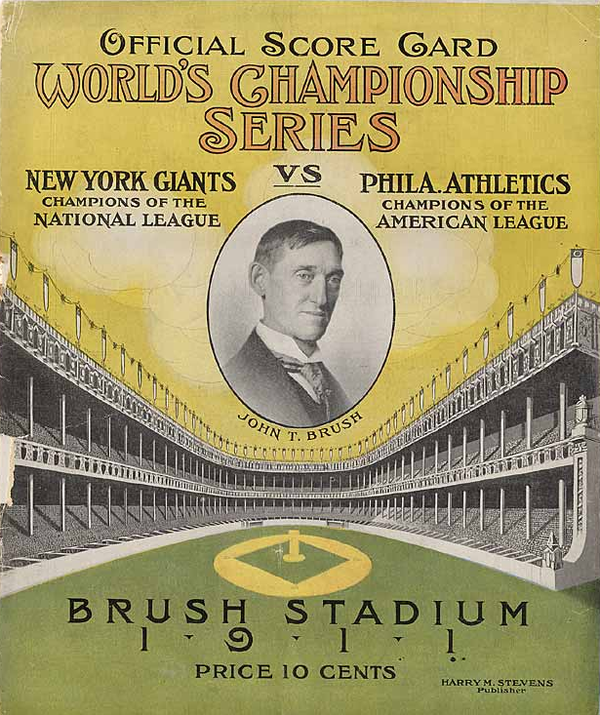
1911 World Series


![Bowl Shaped Objects Scattered Outside A Building, Yunnan, China [1922] Joseph F. C. Rock [RESTORED]](https://live.staticflickr.com/2500/4126608199_71a23fefbc_n.jpg)

Revenge and Rivalry
The 1911 World Series represented more than just a championship; it was a narrative of redemption and a continuation of baseball's burgeoning history. This eighth iteration of the Fall Classic saw the American League champion Philadelphia Athletics face off against the National League champion New York Giants. Crucially, this was a rematch of the 1905 World Series, a contest won by the Giants.
The Athletics, under Connie Mack, were not only defending their 1910 title but were also seeking to avenge their earlier defeat, adding a layer of intense historical significance to the series. This marked only the second time in World Series history that two franchises had met for a second championship title, underscoring the established dynasties and rivalries that were shaping the sport's early professional era. The Athletics entered as the reigning champions, while the Giants, with their 1905 victory, were also former titleholders, making this a clash between two of baseball's most successful clubs.
Frank 'Home Run' Baker
The defining individual narrative of the 1911 World Series undoubtedly belongs to Philadelphia third baseman Frank Baker. His heroics in this series were so profound that they forever etched the nickname 'Home Run' Baker into baseball lore. In Game 2, Baker delivered a pivotal moment, hitting a game-winning home run off the Giants' ace Rube Marquard.
This blast not only secured a crucial victory for the Athletics but also served as a psychological blow to the Giants. The drama escalated in Game 3 when, with the game tied in the bottom of the ninth inning, Baker once again stepped up and hit a game-tying home run. The Athletics went on to win that game in the 11th inning, a victory directly influenced by Baker's clutch hitting.
His overall performance was stellar, leading all batters with a .375 average, collecting 9 hits in 24 at-bats, and demonstrating an unparalleled ability to perform under the highest pressure, solidifying his place as a postseason legend.
Chief Meyers' Defensive Masterclass and the Unpredictable Elements
While Baker's bat dominated headlines, the Giants' catcher, Chief Meyers, delivered a performance of historical defensive significance. Meyers established a World Series record by throwing out an incredible 12 runners attempting to steal bases. This remarkable feat showcased his exceptional arm strength, keen baseball IQ, and quick reflexes, setting a benchmark for defensive excellence behind the plate that would stand for many years.
The series also encountered significant external challenges. A prolonged period of six consecutive rainy days between Games 3 and 4 caused the longest delay between World Series games at that time, a record that would not be broken until the earthquake-interrupted 1989 World Series. This interruption tested the endurance and focus of both teams.
Furthermore, the final game was played on October 26, marking the latest calendar date for a World Series conclusion until 1981, highlighting the unique temporal footprint of this particular championship.
Strategic Narratives and Historical Context
The 1911 World Series provides a fascinating case study in baseball strategy and historical context. The Giants' pitcher, Christy Mathewson, a renowned intellectual of the game, even ironically criticized his teammate Marquard in a newspaper column after Game 2 for allowing Baker's home run, only to be victimized himself the following day. This adds a layer of human drama and irony to the series.
The Athletics' victory was not just a triumph for the team but also a continuation of their dominance, having been the defending champions. This series was also the first to feature two teams that had previously won a title, indicating the growing maturity and established dynasties within professional baseball. The strategic battles, the individual heroics, and the unusual environmental factors all contributed to making the 1911 World Series a memorable and historically significant event in the annals of baseball.
See also
Frequently Asked Questions
Who was the hero of the 1911 World Series?+
What special thing did Frank Baker do in the series?+
Who was the catcher that threw out many runners?+
Why was the 1911 World Series special for the schedule?+
Which teams played in the 1911 World Series?+
Based on content from Wikipedia · Licensed under CC BY-SA 4.0