

Yakult
Images
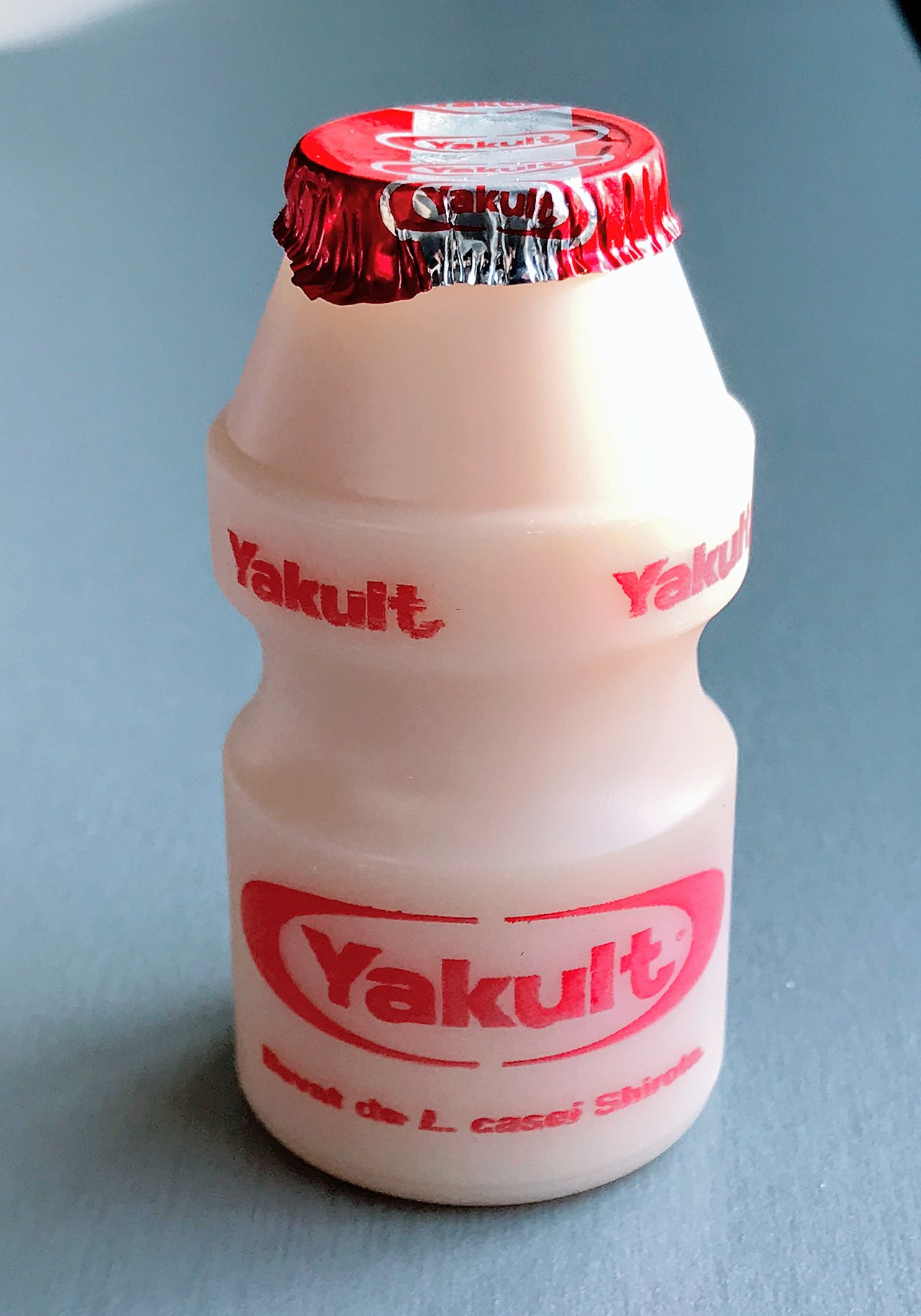
Yakult drink




The Genesis of Yakult
Yakult's origins are deeply rooted in a public health initiative spearheaded by Dr. Minoru Shirota in Japan during the 1930s. Witnessing the prevalence of infectious diseases, Dr.
Shirota hypothesized that a robust digestive system was fundamental to overall immunity. His groundbreaking work focused on identifying and cultivating beneficial bacteria that could survive the harsh conditions of the gastrointestinal tract. He successfully isolated the Lacticaseibacillus casei Shirota strain, a robust lactic acid bacterium, and developed a method to produce it in a palatable, accessible beverage.
The choice of the name 'Yakult' itself, derived from the Esperanto word 'jahurto' meaning 'yogurt,' cleverly communicated its dairy-based, fermented nature while hinting at its health-promoting properties. This scientific endeavor wasn't just about creating a product; it was about democratizing health through accessible, everyday consumption, a philosophy that continues to guide the company.
Lacticaseibacillus casei Shirota
The efficacy of Yakult hinges on the unique characteristics of its proprietary bacterial strain, Lacticaseibacillus casei Shirota (LcS). This specific strain is renowned for its resilience, enabling it to survive the acidic environment of the stomach and bile salts in the small intestine. Upon reaching the large intestine, LcS can transiently colonize, meaning it temporarily resides there, interacting with the existing gut microbiota.
Its primary mechanism of action involves producing lactic acid, which lowers the pH of the gut, creating an environment less favorable for pathogenic bacteria and more conducive to beneficial microbes. Furthermore, LcS can influence the gut's immune response and potentially enhance the production of short-chain fatty acids, which are vital for intestinal health. The consistent presence of billions of live LcS cultures in each bottle ensures a significant dose for potential health benefits.
Yakult's Enduring Significance in the Probiotic Landscape
Yakult holds a pioneering position in the global probiotic market. Long before 'gut health' became a mainstream buzzword, Yakult was introducing consumers worldwide to the concept of consuming live beneficial bacteria for wellness. Its sustained success underscores the validity of Dr.
Shirota's initial hypothesis regarding the importance of the gut microbiome. The company's commitment to scientific research and maintaining the integrity of the LcS strain has built significant consumer trust. In an era increasingly focused on preventative health and personalized nutrition, Yakult remains a relevant and accessible option for individuals seeking to support their digestive function and overall well-being.
Its widespread availability and consistent product formulation have made it a benchmark in the fermented dairy beverage category.
The Fermentation Process
The production of Yakult is a sophisticated process rooted in controlled fermentation. It begins with a base of skim milk, which is sterilized to eliminate any competing microorganisms. This milk is then inoculated with a pure culture of Lacticaseibacillus casei Shirota.
The fermentation occurs under carefully monitored temperature conditions, allowing the bacteria to metabolize lactose and produce lactic acid. This acidification is critical; it lowers the pH, inhibiting the growth of spoilage organisms and contributing to the characteristic tangy flavor profile of Yakult. After fermentation, the mixture is sweetened, typically with sucrose and glucose, to enhance palatability and provide additional energy for the bacteria.
The final product is then pasteurized to ensure safety and stability before being bottled in its iconic small, resealable containers, designed to maintain the viability of the live cultures until consumption.
Broader Implications and Related Scientific Fields
Yakult's existence and success have significantly contributed to the broader scientific understanding and public awareness of the gut microbiome. It serves as a tangible example in discussions surrounding probiotics, prebiotics, and the gut-brain axis. The research spurred by Yakult and similar products has fueled advancements in microbiology, immunology, and nutritional science.
Fields like metabolomics and metagenomics are now exploring the complex interactions within the gut, building upon the foundational work that established the benefits of specific bacterial strains. Yakult's journey also highlights the intersection of food science, public health, and global commerce, demonstrating how a single, scientifically-backed product can influence dietary habits and health perceptions worldwide.
See also
Frequently Asked Questions
What is Yakult?+
Why does Yakult help my stomach?+
Who invented Yakult?+
How is Yakult made?+
Where can I find Yakult?+
Based on content from Wikipedia · Licensed under CC BY-SA 4.0